History
Before and Alongside Zines: Independent Print
Pamphlets, little magazines and samizdat reveal different reasons people publish outside established channels.
2 min read
Zines, explained
The history, craft, and culture of zines.
Pamphlets, little magazines and samizdat reveal different reasons people publish outside established channels.
2 min read
An old issue can preserve everyday details that a later history leaves out.
2 min read
Understand do-it-yourself publishing without assuming that a zine has to look unfinished.
2 min read
How specialist shops help zines reach readers, and what to know before asking one to stock your work.
2 min read
Find the cause of a bad proof before it becomes a stack of unusable copies.
2 min read
What a zine library does, how to use one, and why reading access does not always mean borrowing.
2 min read
Three different kinds of collection can help you explore zines and their histories.
2 min read
Use a small format and material you already have to make a complete first version.
2 min read
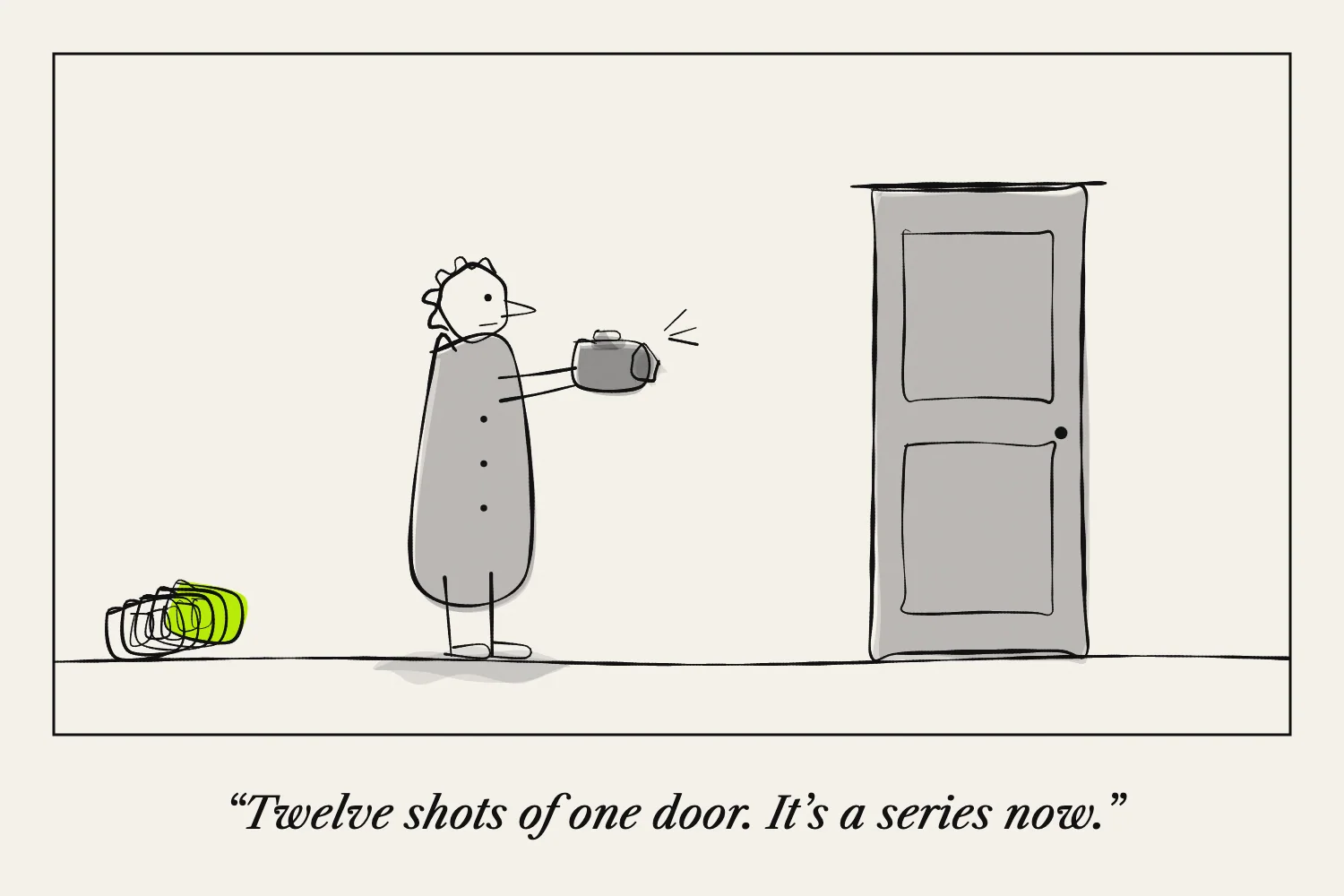
Build a small sequence around a visual question rather than simply gathering your favourite pictures.
2 min read
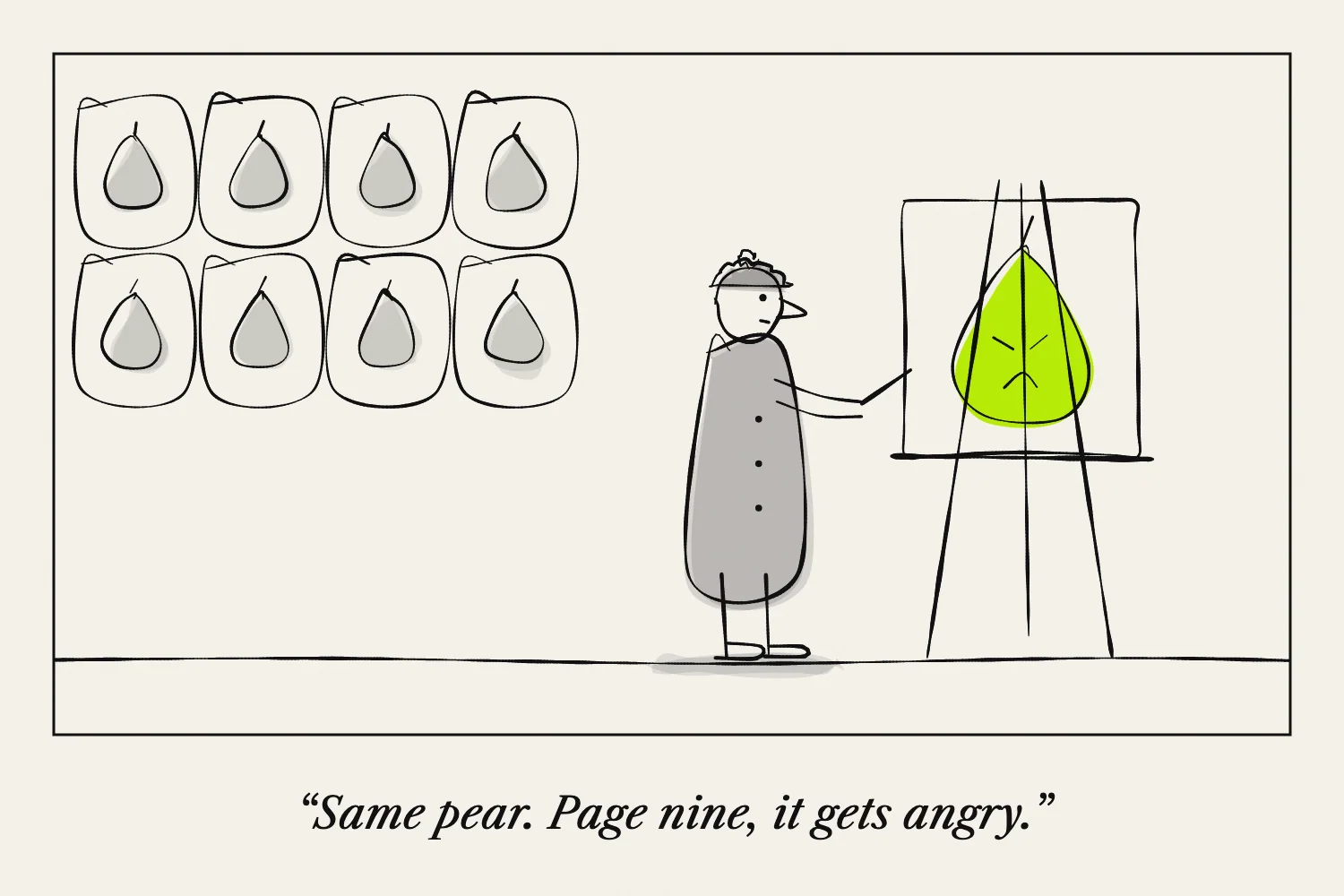
Use pages to develop a sequence, show a process or test how images work together.
2 min read
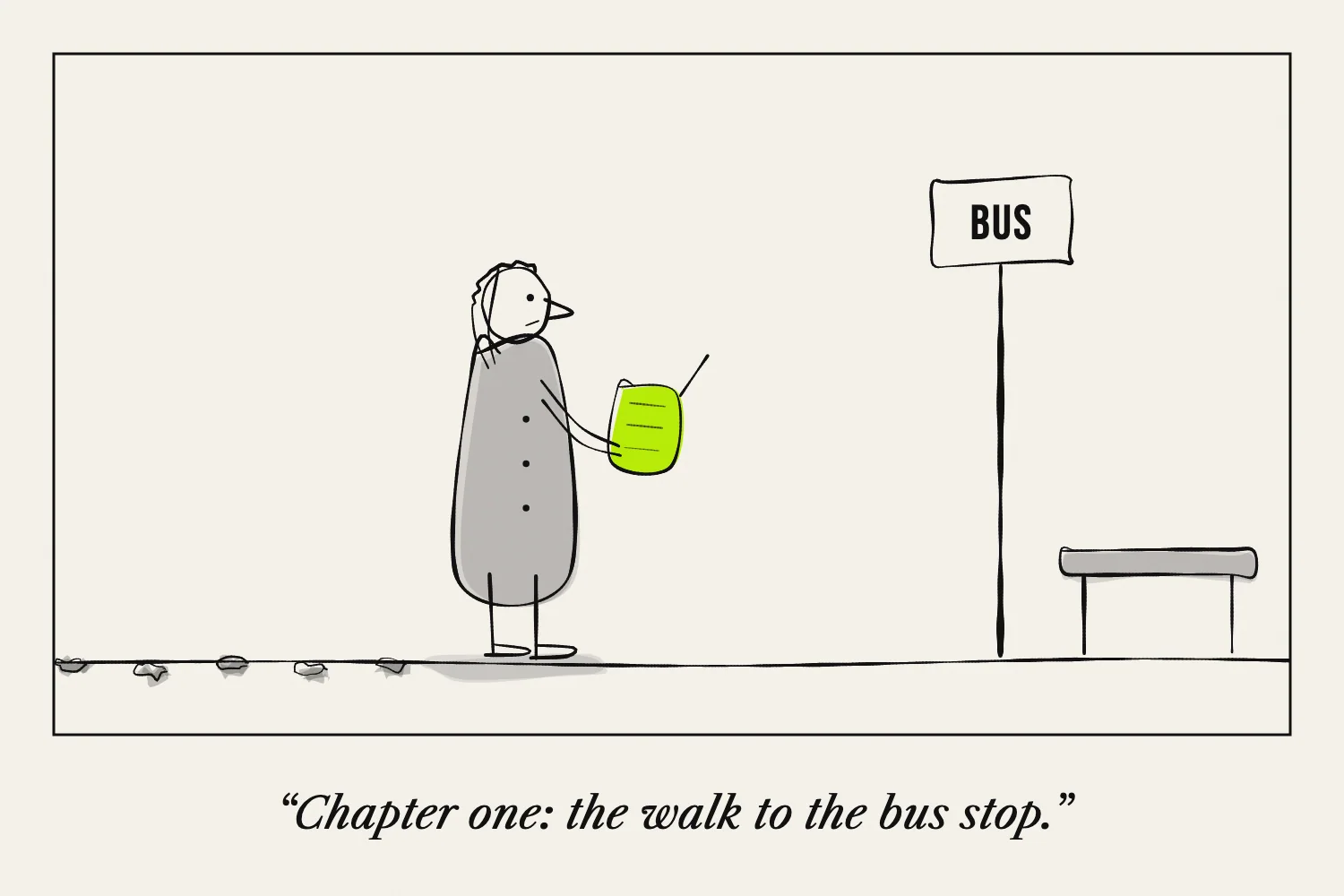
Begin with one scene, routine or object instead of trying to explain your whole history.
2 min read
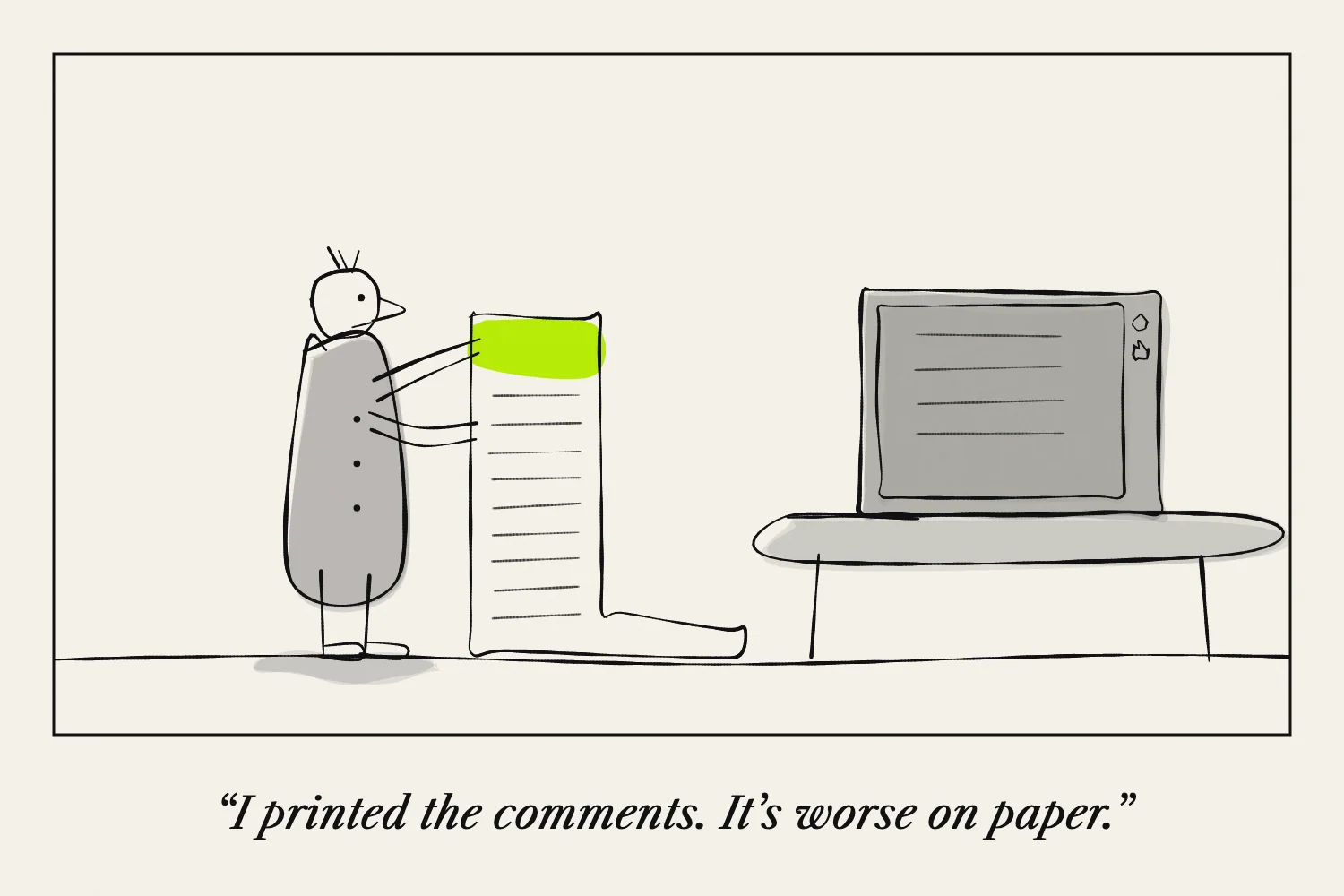
Turn an online habit into a bounded piece of writing, drawing or visual research.
2 min read
What happens at a zine fair, how to prepare for a visit, and what changes when you apply for a table.
2 min read
Readings, workshops, swaps and fairs offer different ways to meet people through zines.
2 min read
Print can feel newly appealing without having disappeared in the first place.
2 min read
Making a publication gave people another way to participate in the music around them.
2 min read
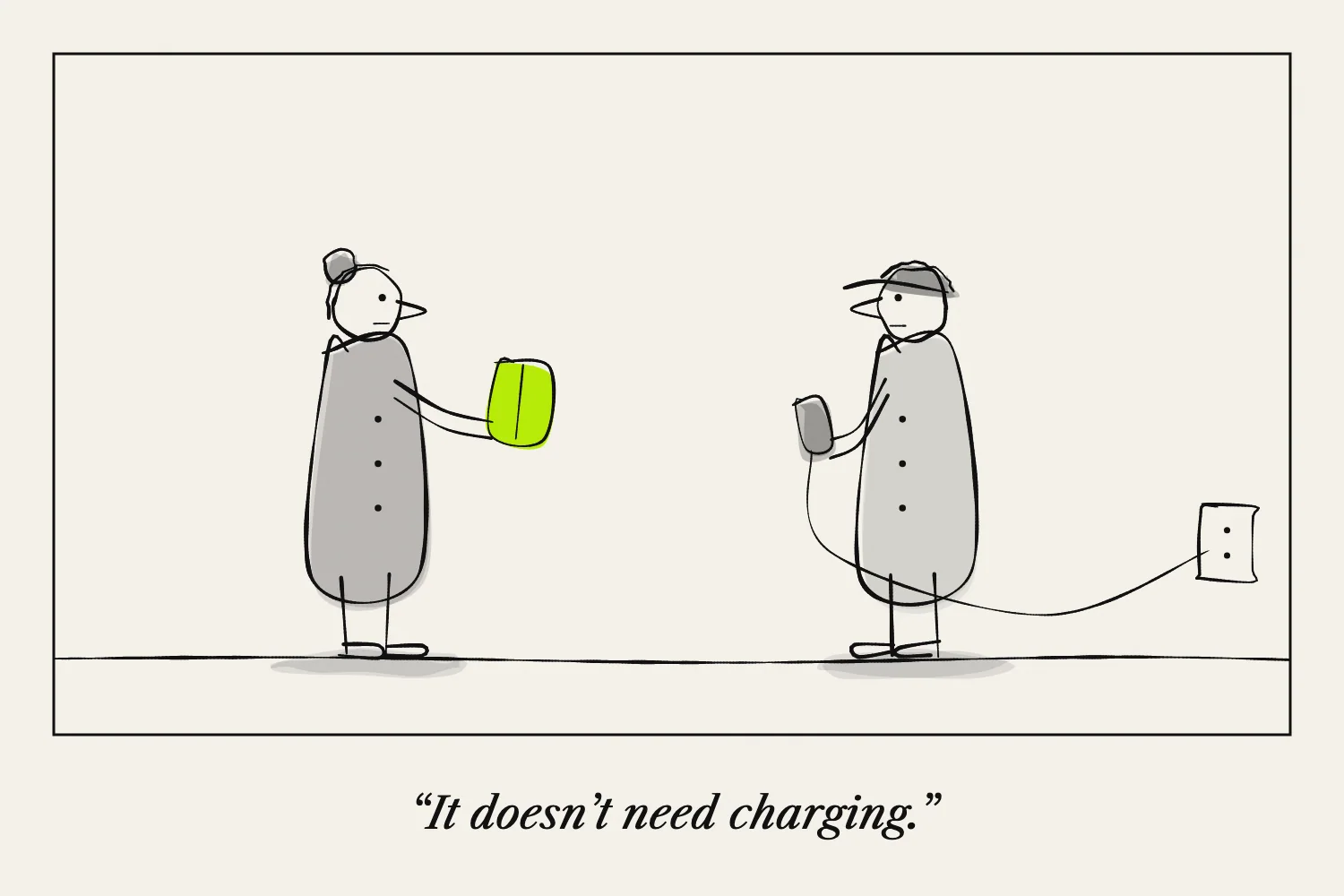
Consider what a printed object makes possible, alongside the benefits of digital access.
2 min read
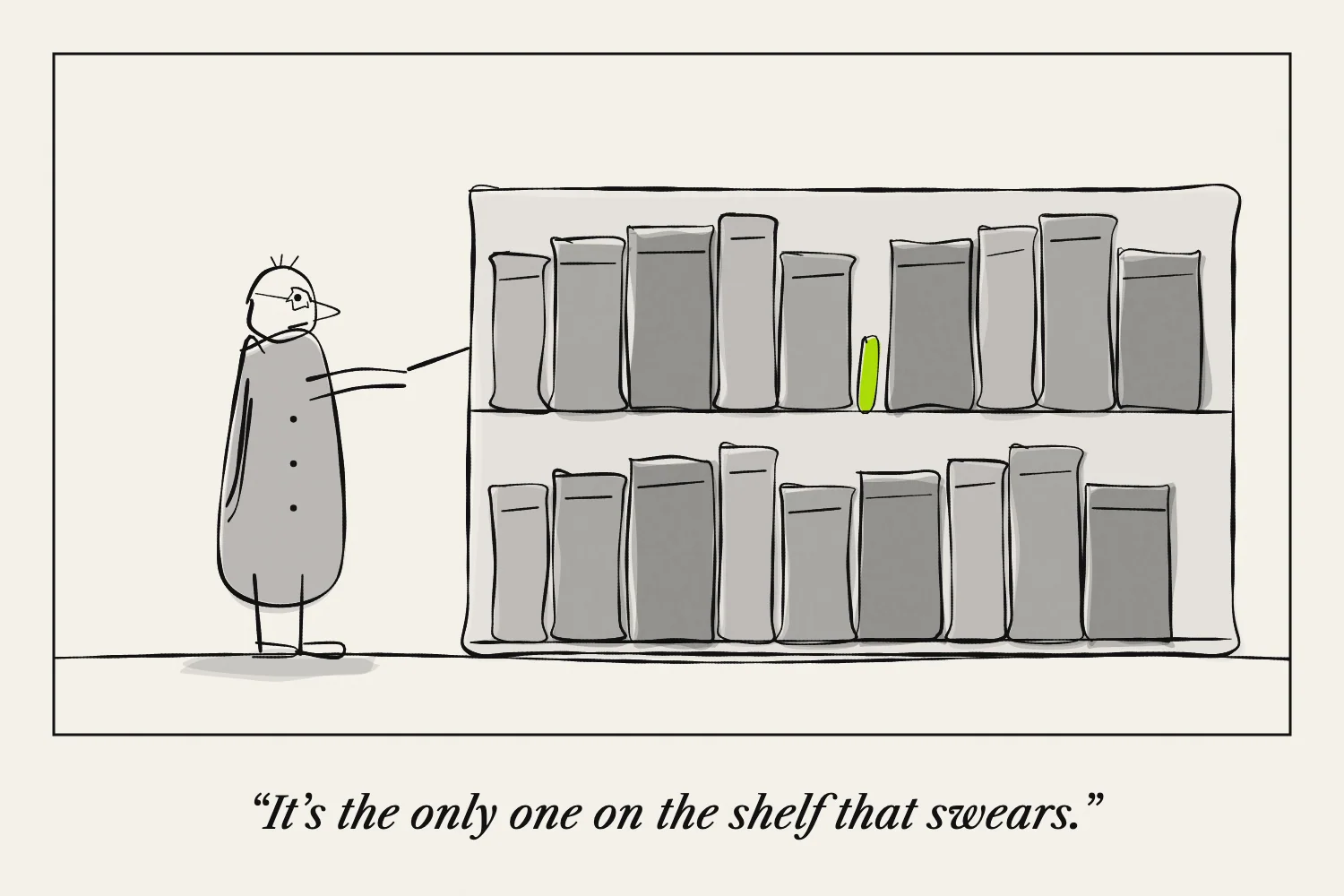
Small publications can preserve voices and experiences missing from conventional collections.
2 min read
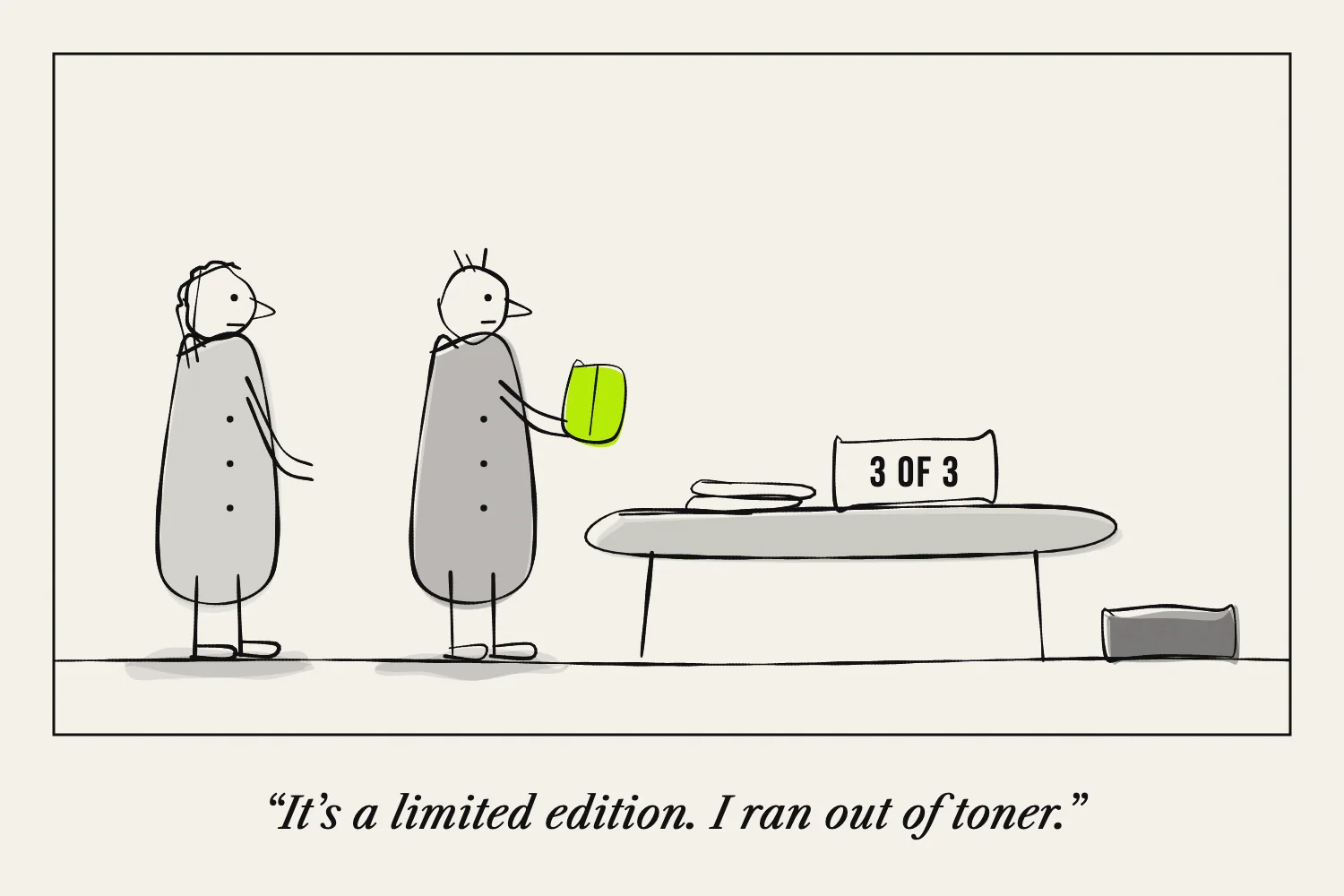
Small print runs can reflect audience, cost, time and the maker's intentions.
2 min read
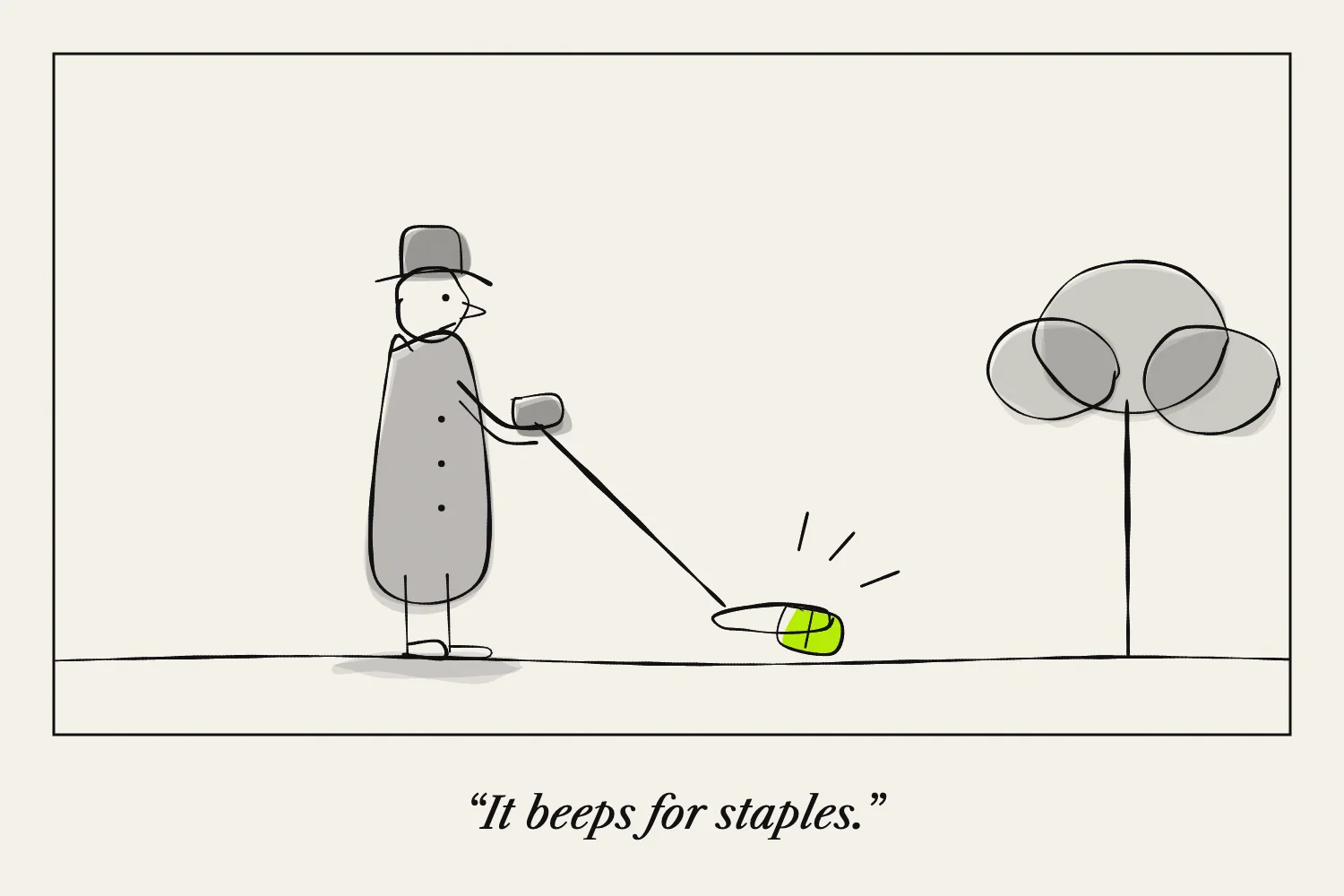
Start with a subject you care about, then follow makers, shops, libraries and events.
2 min read
Shops, fairs and libraries offer different ways to encounter a publication before taking it home.
2 min read
Find a seller, understand the listing and check the full cost before ordering.
2 min read
Zines grew from several ways of making and sharing print outside established publishing.
2 min read
A review publication helped people find zines—and find one another.
2 min read
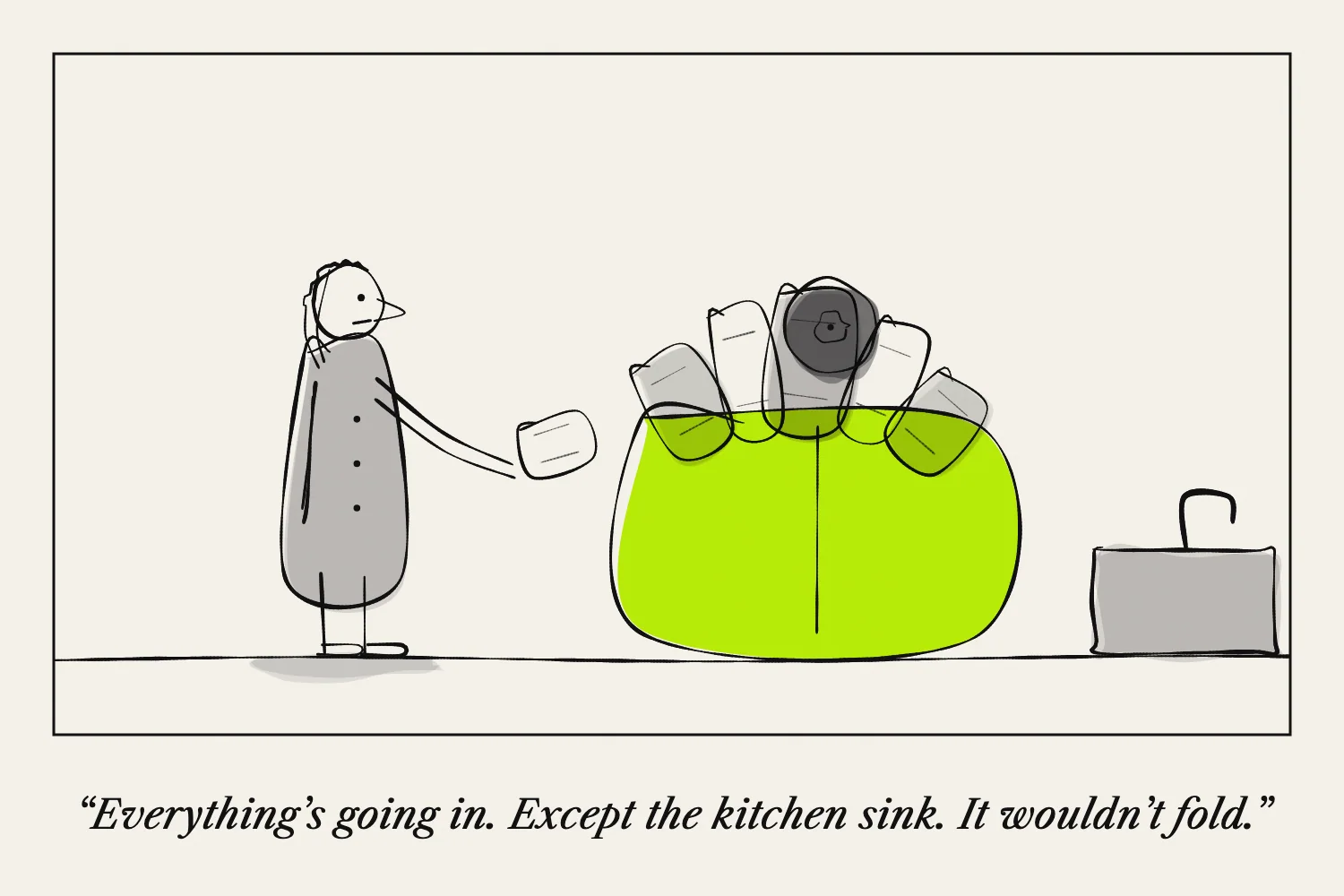
Choose material that belongs together, then give readers enough context to follow it.
2 min read
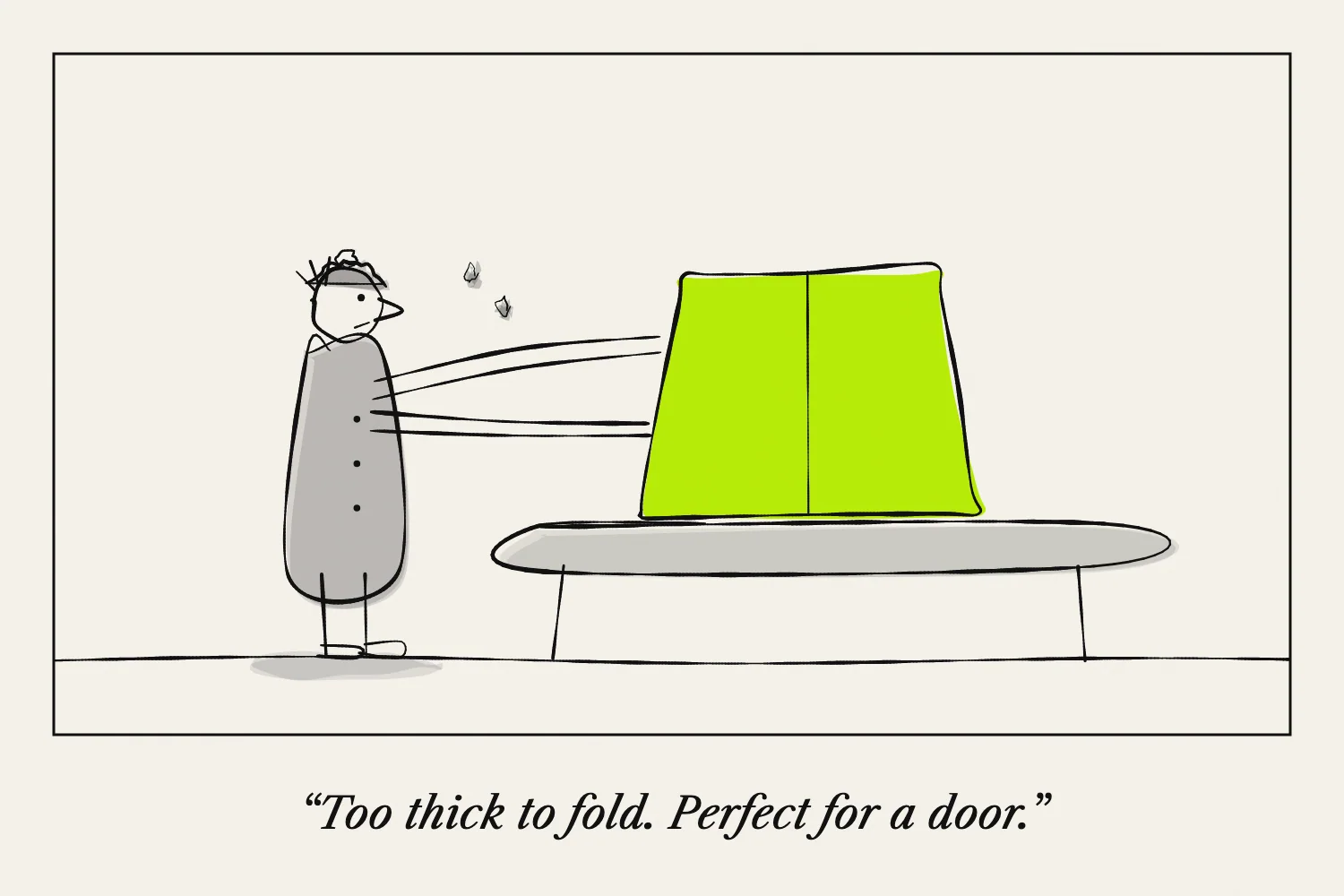
Understand gsm and pound labels, then choose a weight through a printed, folded test.
2 min read
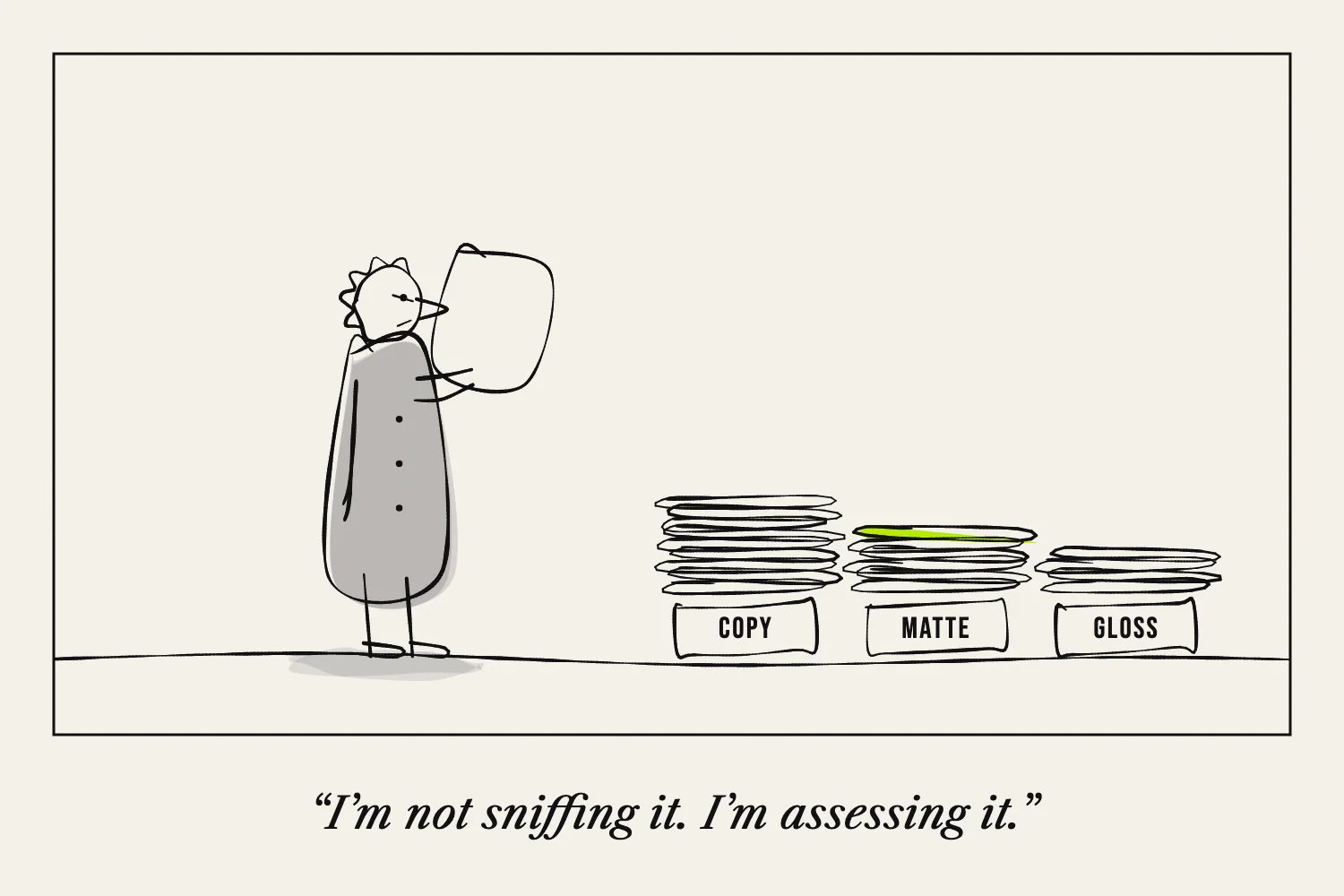
Choose paper by how it prints, folds and feels in the finished booklet.
2 min read
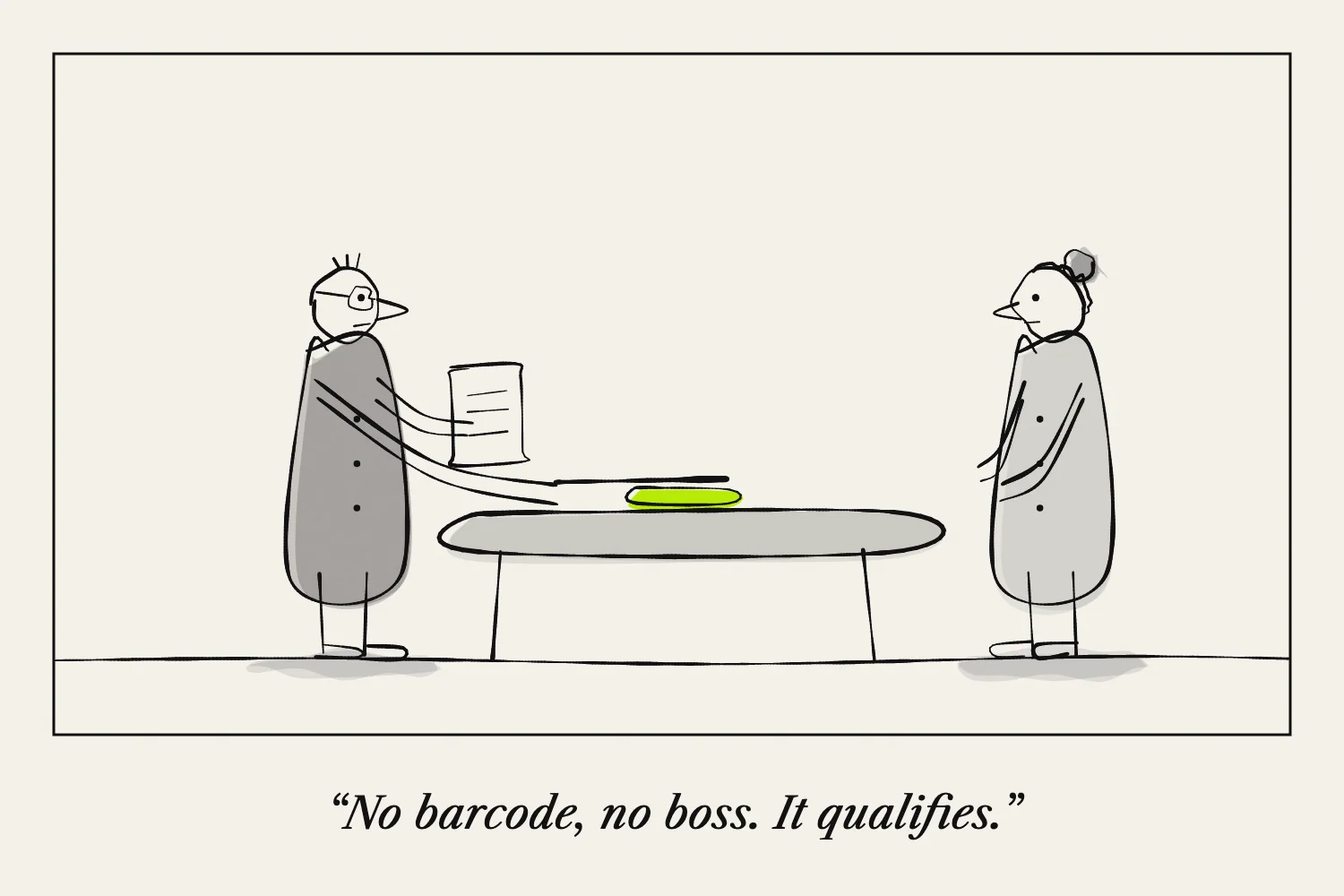
Understand the role of self-publishing, purpose and community without treating one look as a rule.
2 min read
Rarity, personal meaning and research value are different reasons to keep a publication.
2 min read
Personal zines turn a maker's experiences and thoughts into work they choose to share.
2 min read
A publication made by fans can be a place for criticism, research, stories and conversation.
2 min read
A narrow subject gives you a clear way to choose material and a reader a reason to be curious.
2 min read
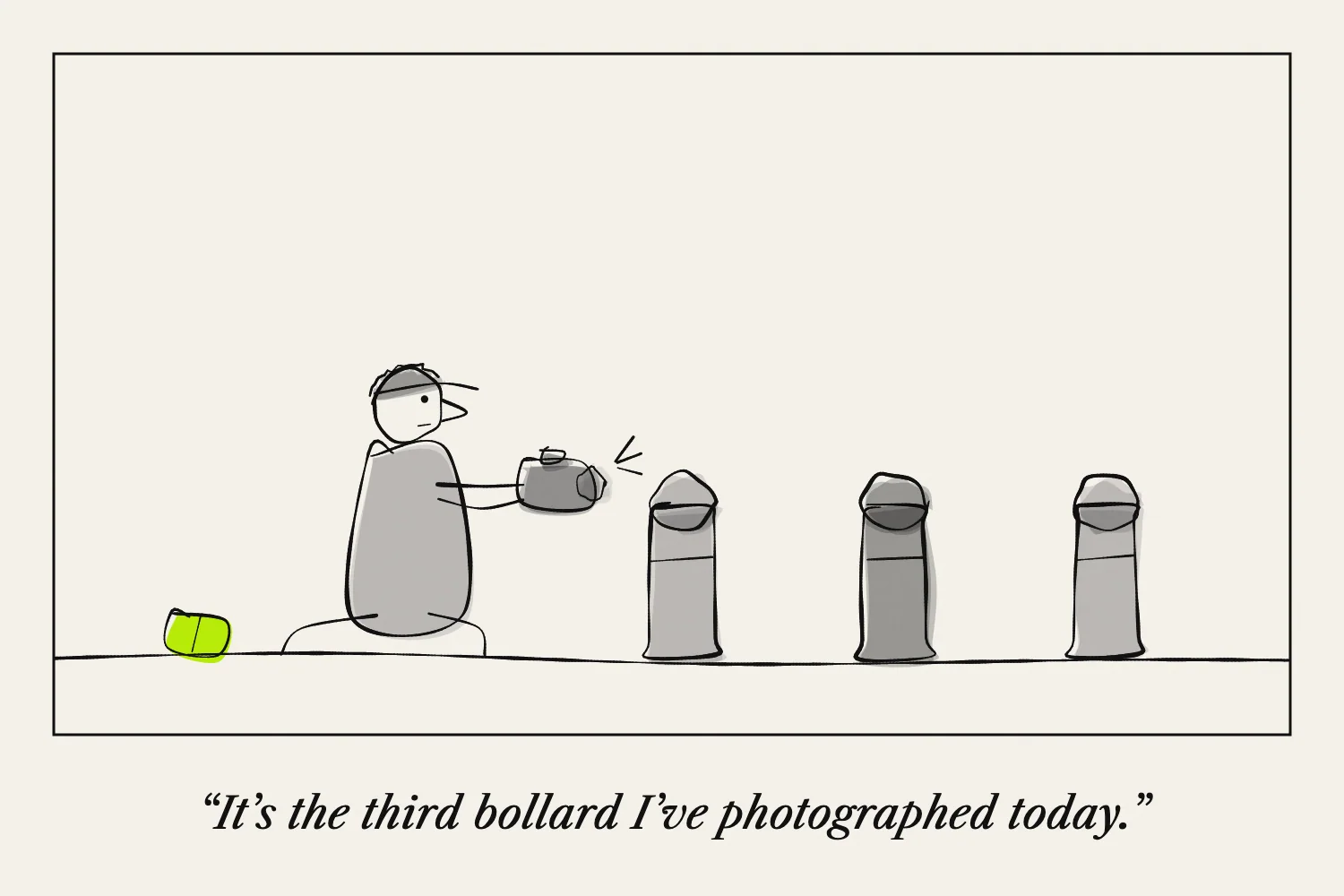
Turn repeated attention into a small collection with a clear point of view.
2 min read
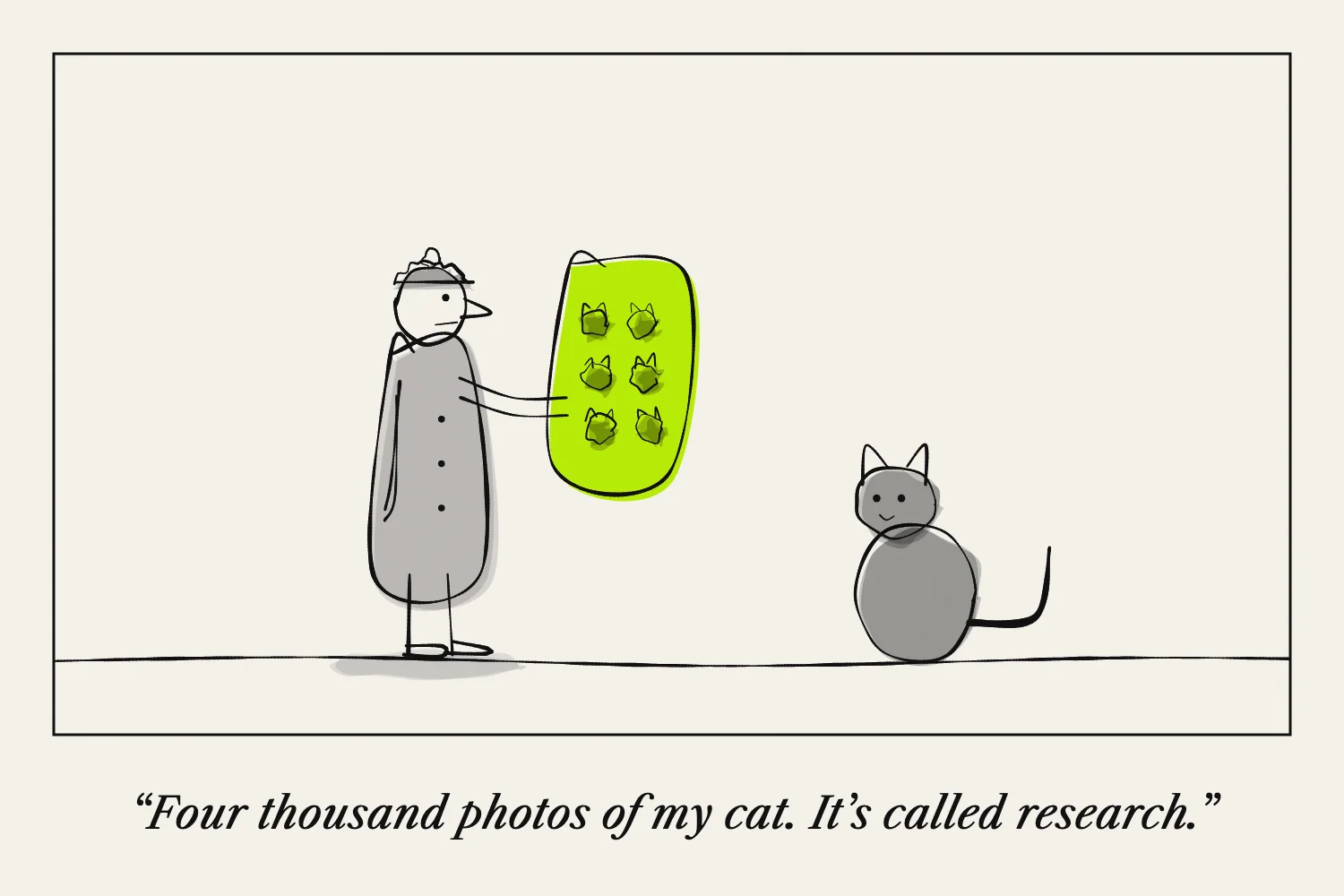
Photos, notes and unfinished ideas can supply material once you give them a clear focus.
2 min read
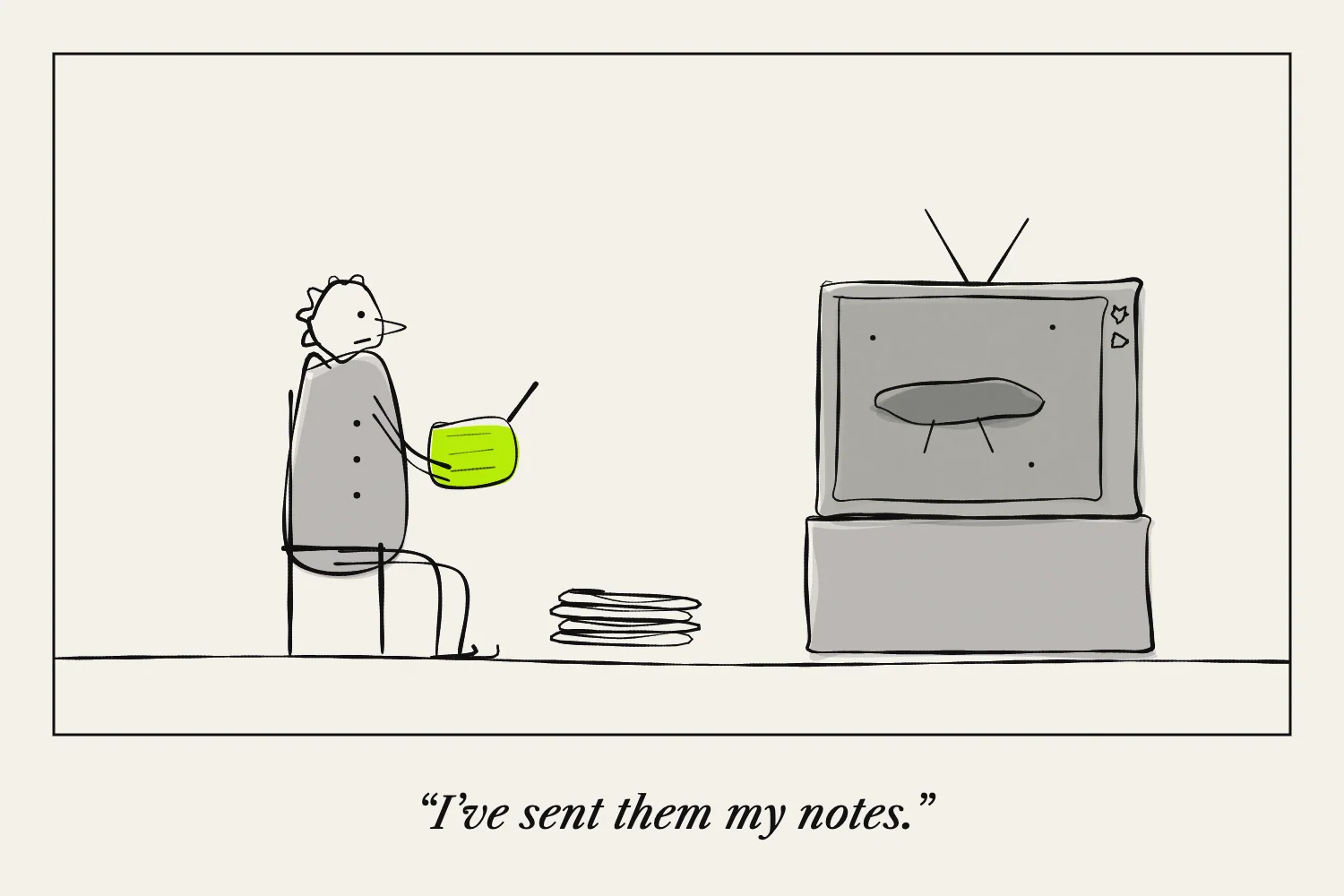
Fan-made publications gave viewers room to write, draw and talk back to the people making the show.
2 min read
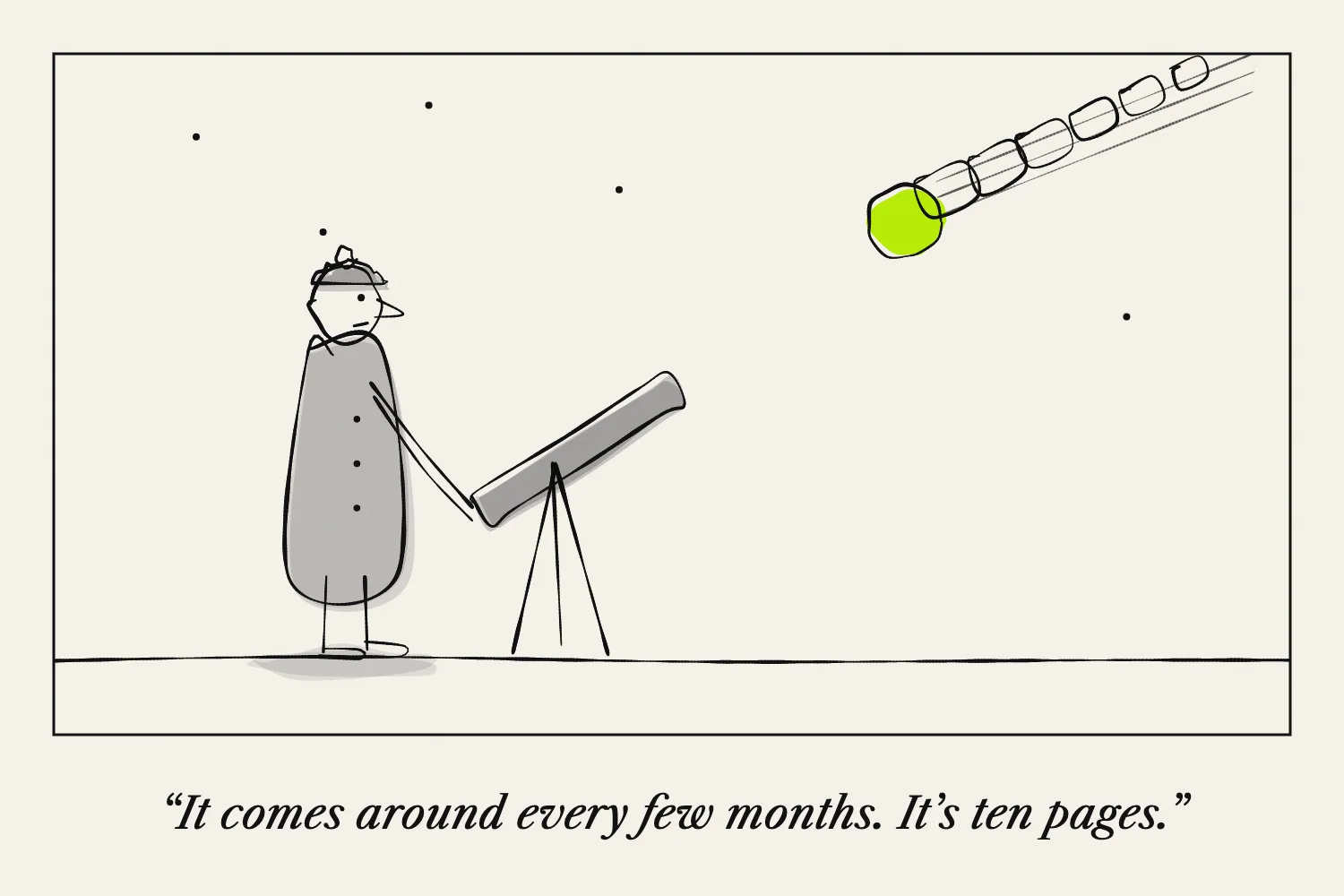
A ten-page club bulletin from 1930 helps explain what early fanzines were for.
2 min read
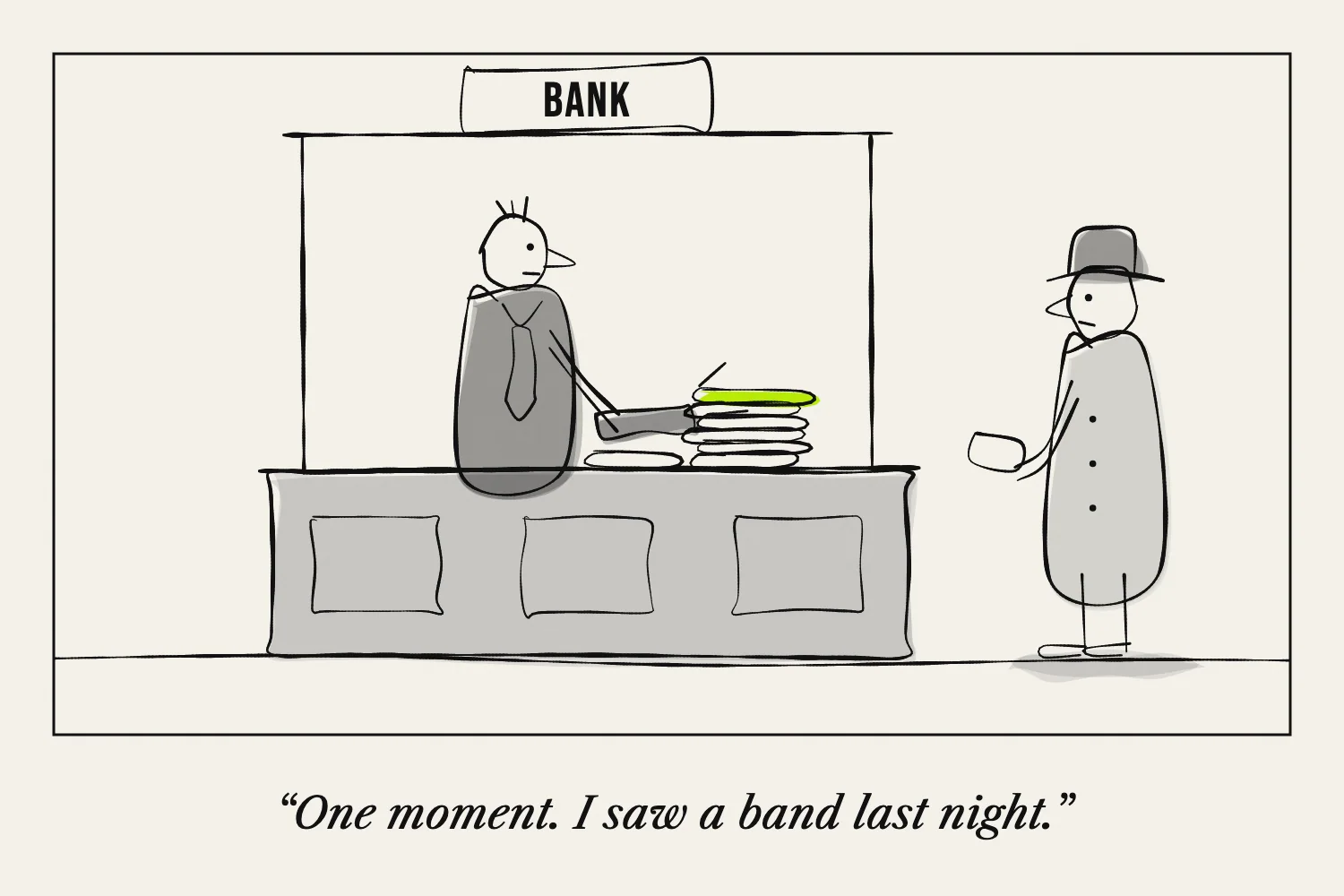
Mark Perry's short-lived publication became an influential record of British punk as it was happening.
2 min read
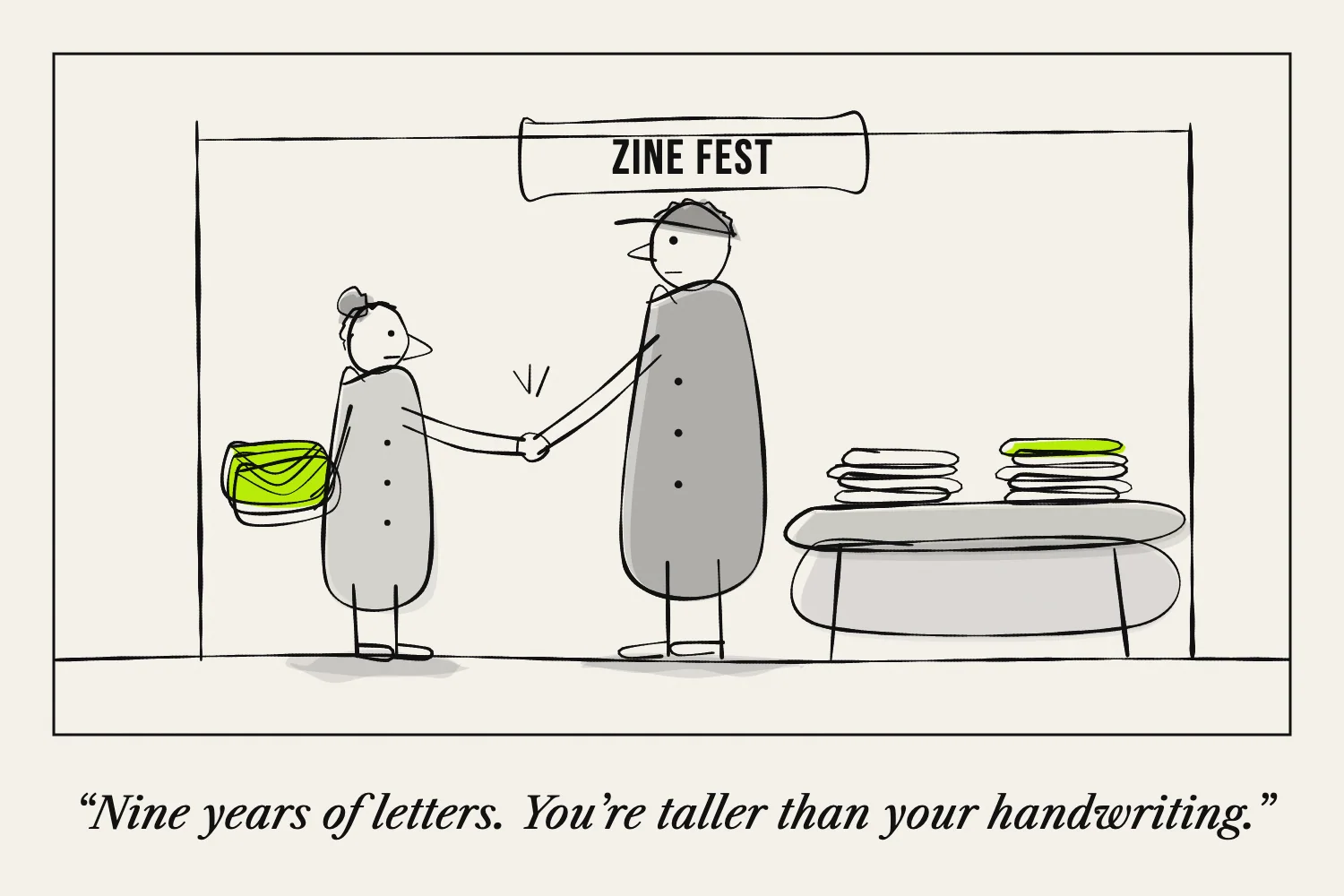
A fair turns dispersed publications into a place where makers and readers can meet.
2 min read
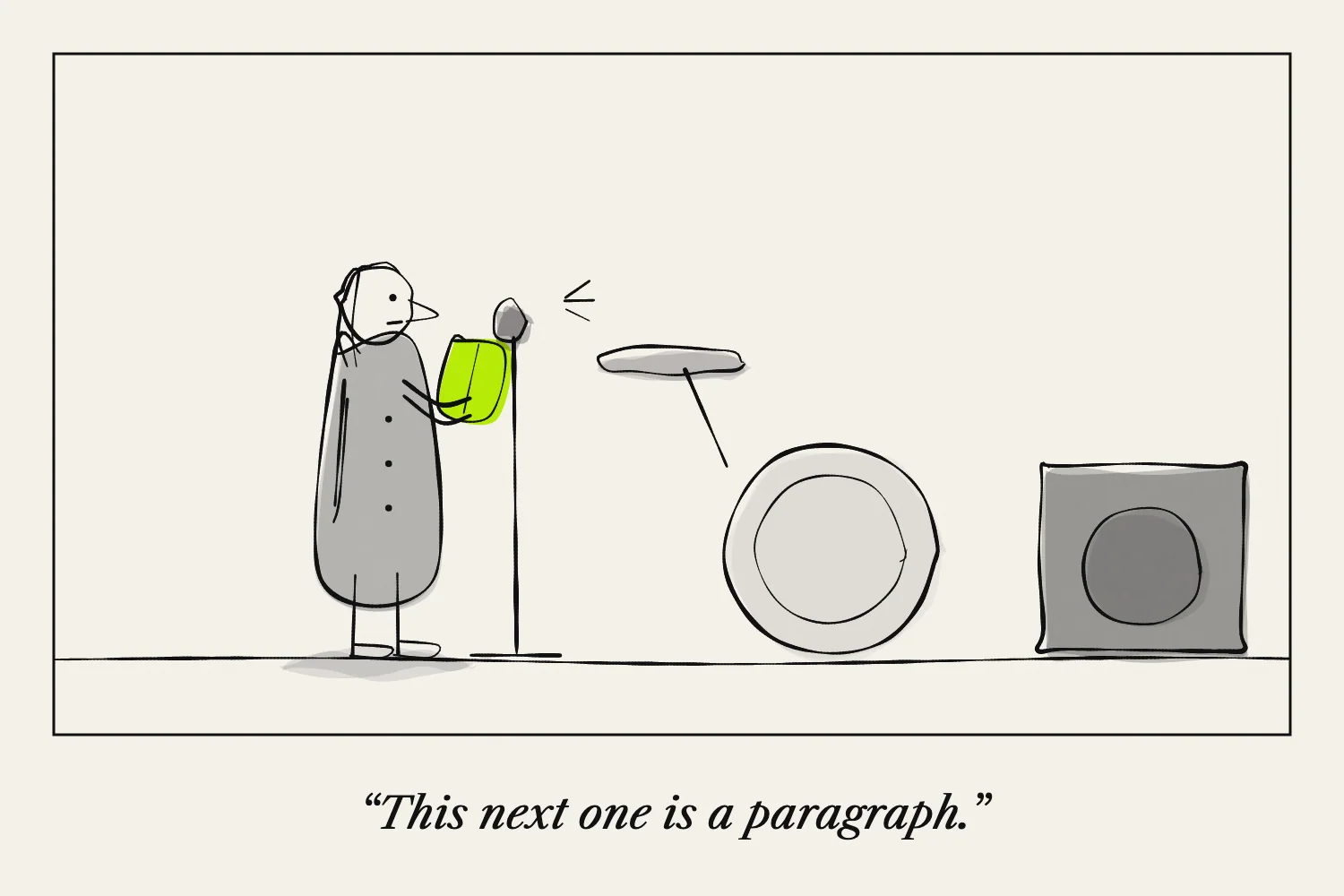
Publishing became part of a feminist punk movement—and a place to question the movement itself.
2 min read
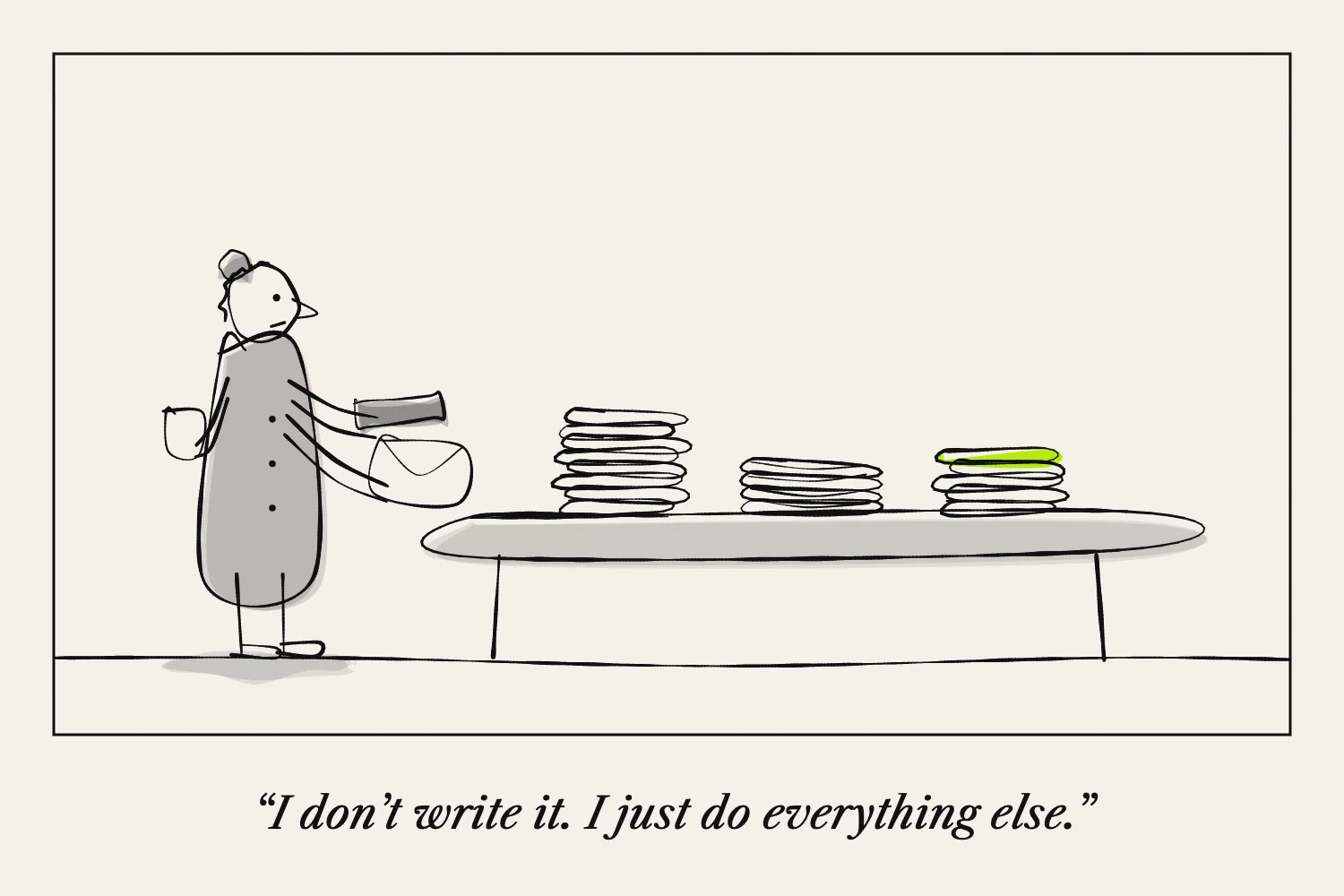
Editing, design, correspondence and practical organisation all help a publication exist.
2 min read
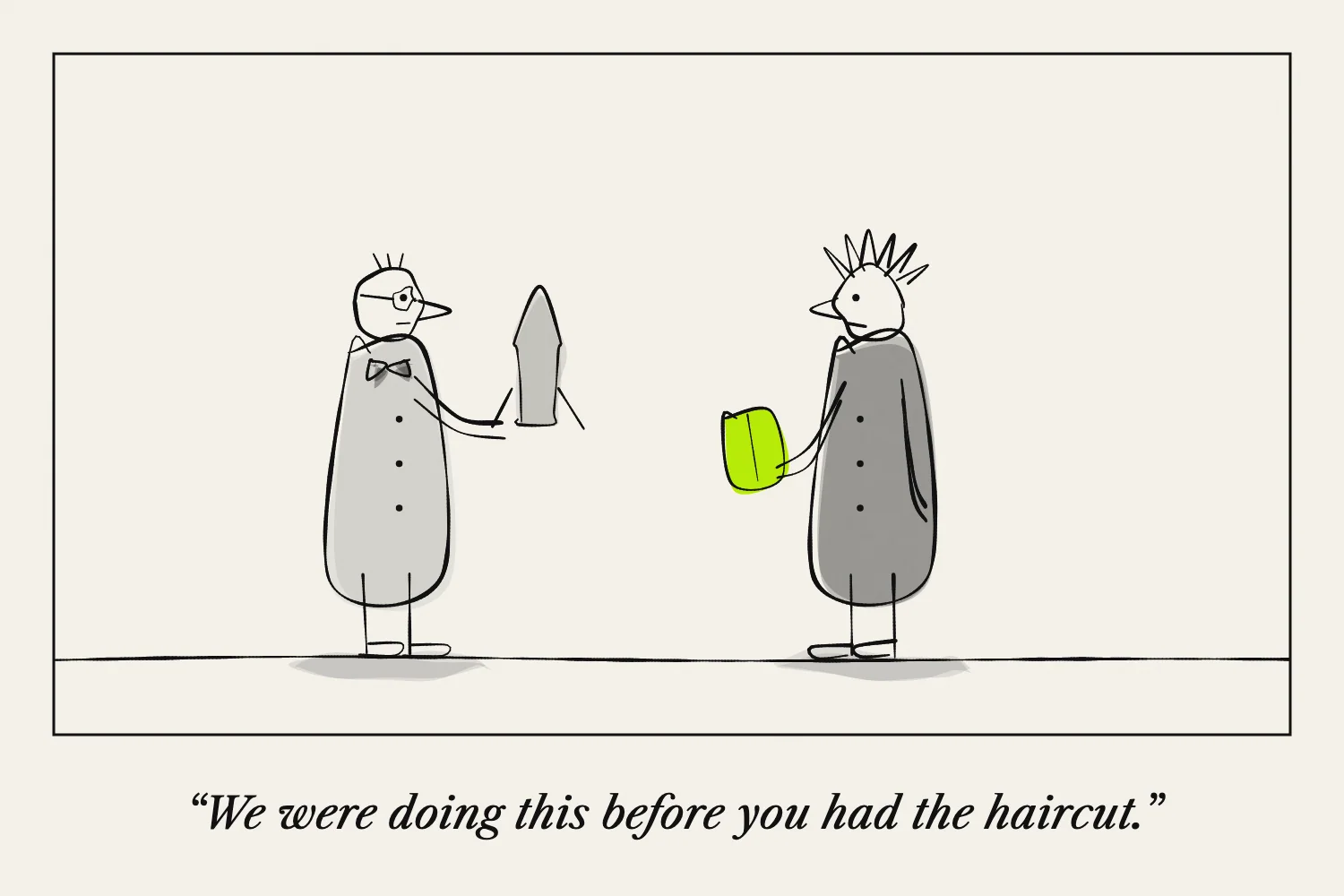
Punk gave zines a powerful visual identity, but fan publishing was already decades old.
2 min read
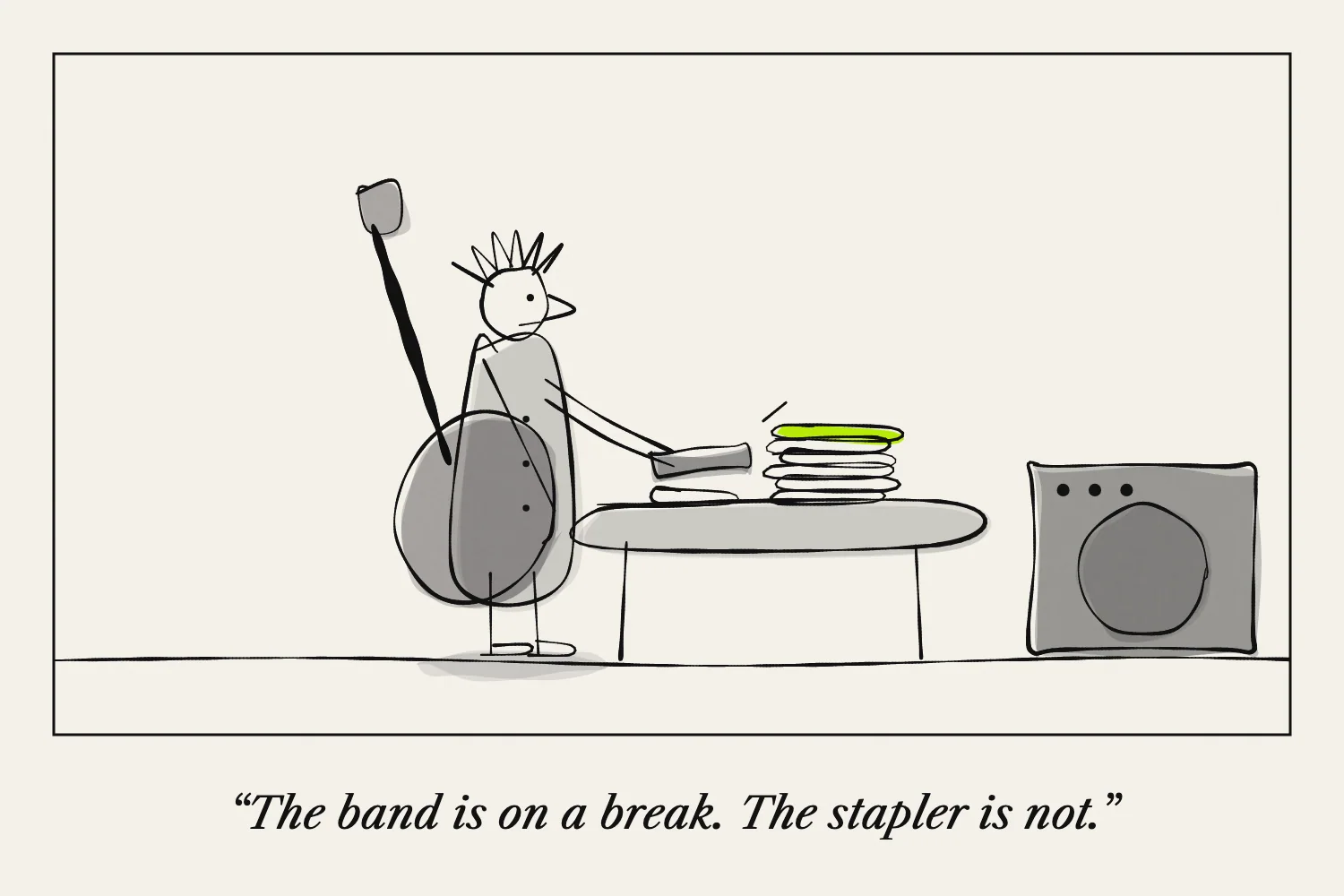
Playing music and making publications can be connected ways of taking part in a scene.
2 min read
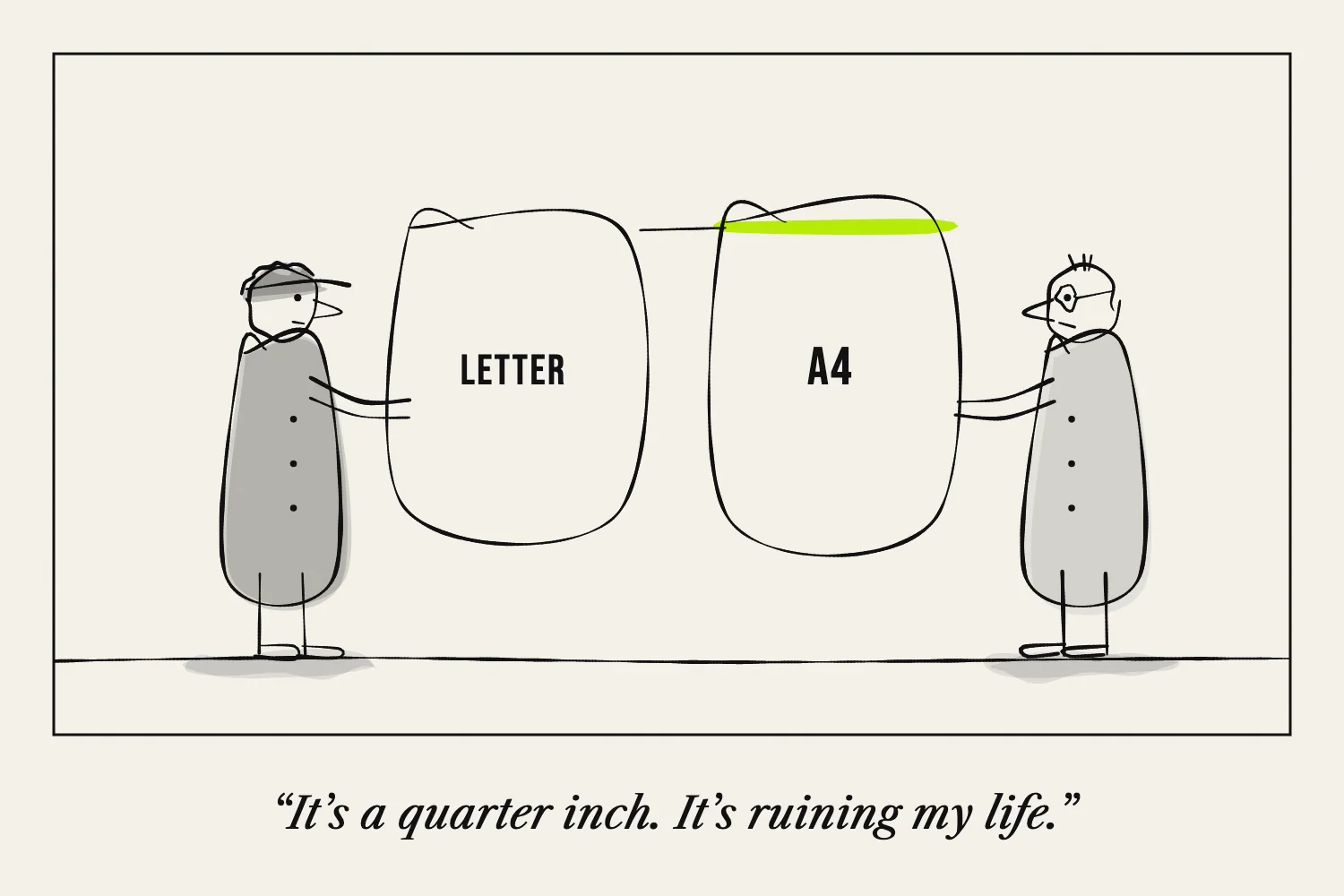
Choose the paper size before laying out your pages, and avoid accidental resizing at print time.
2 min read
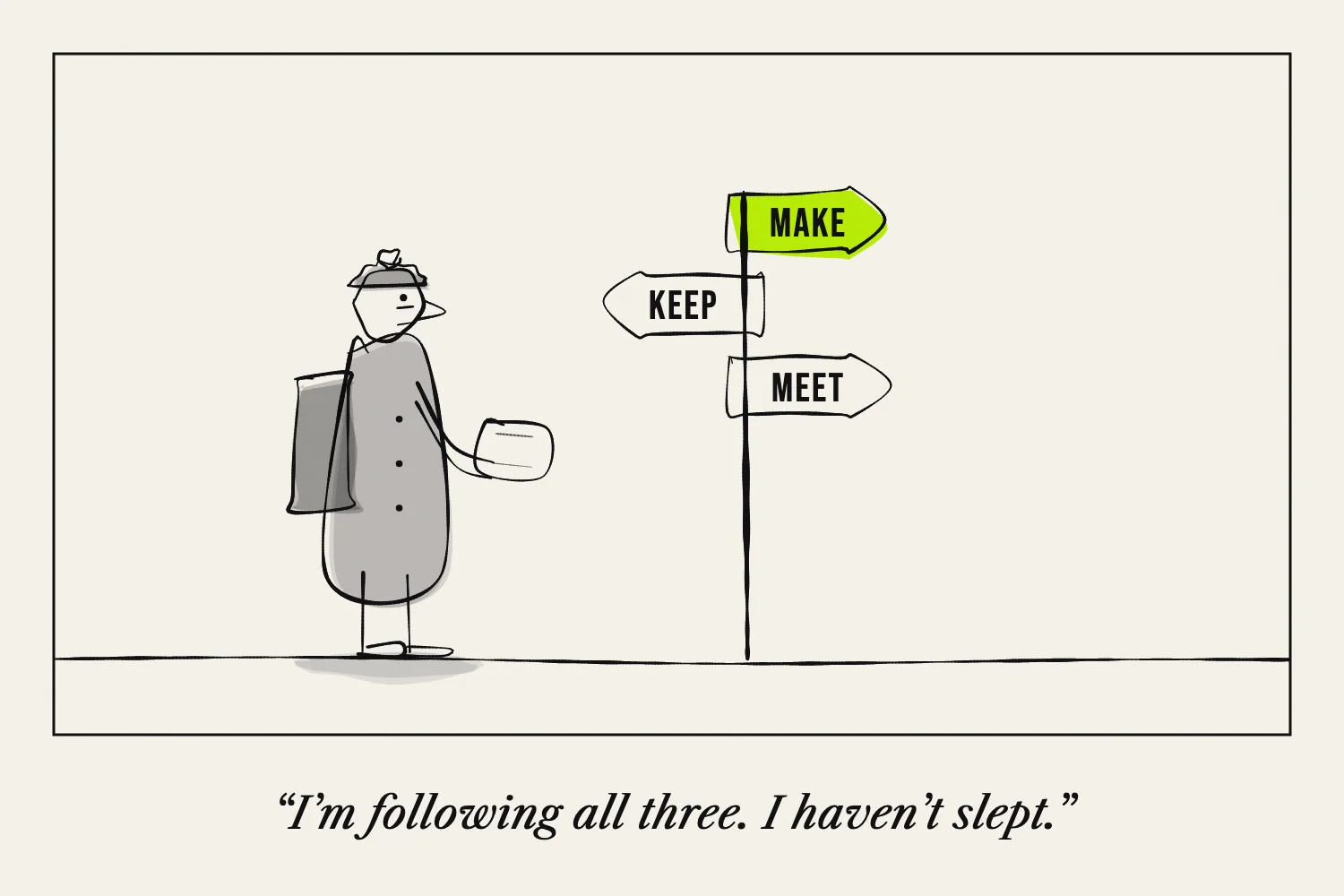
Three ways to explore independent publishing through making, archiving and public events.
2 min read
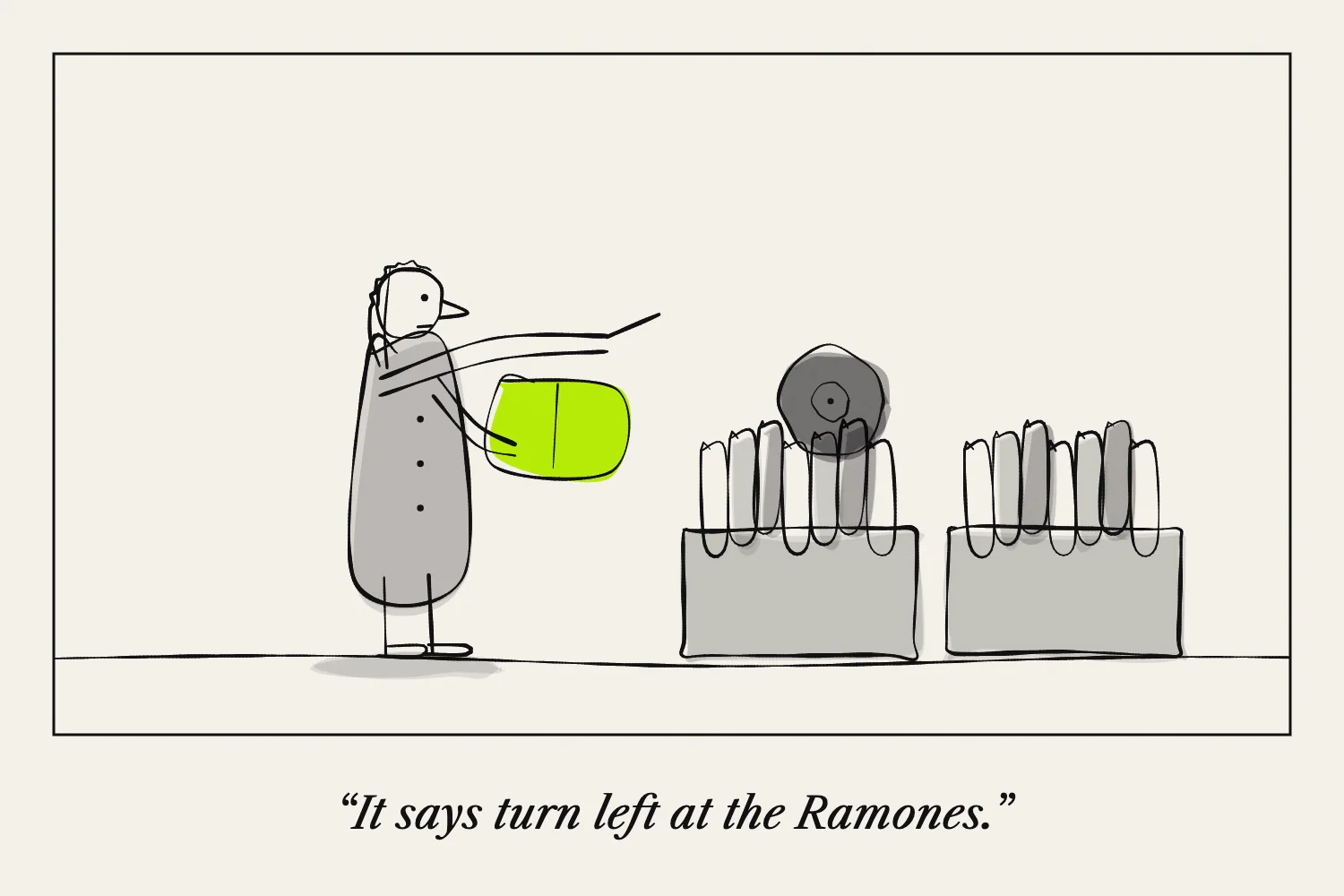
Reviews, interviews and printed contact details helped listeners move from curiosity to discovery.
2 min read
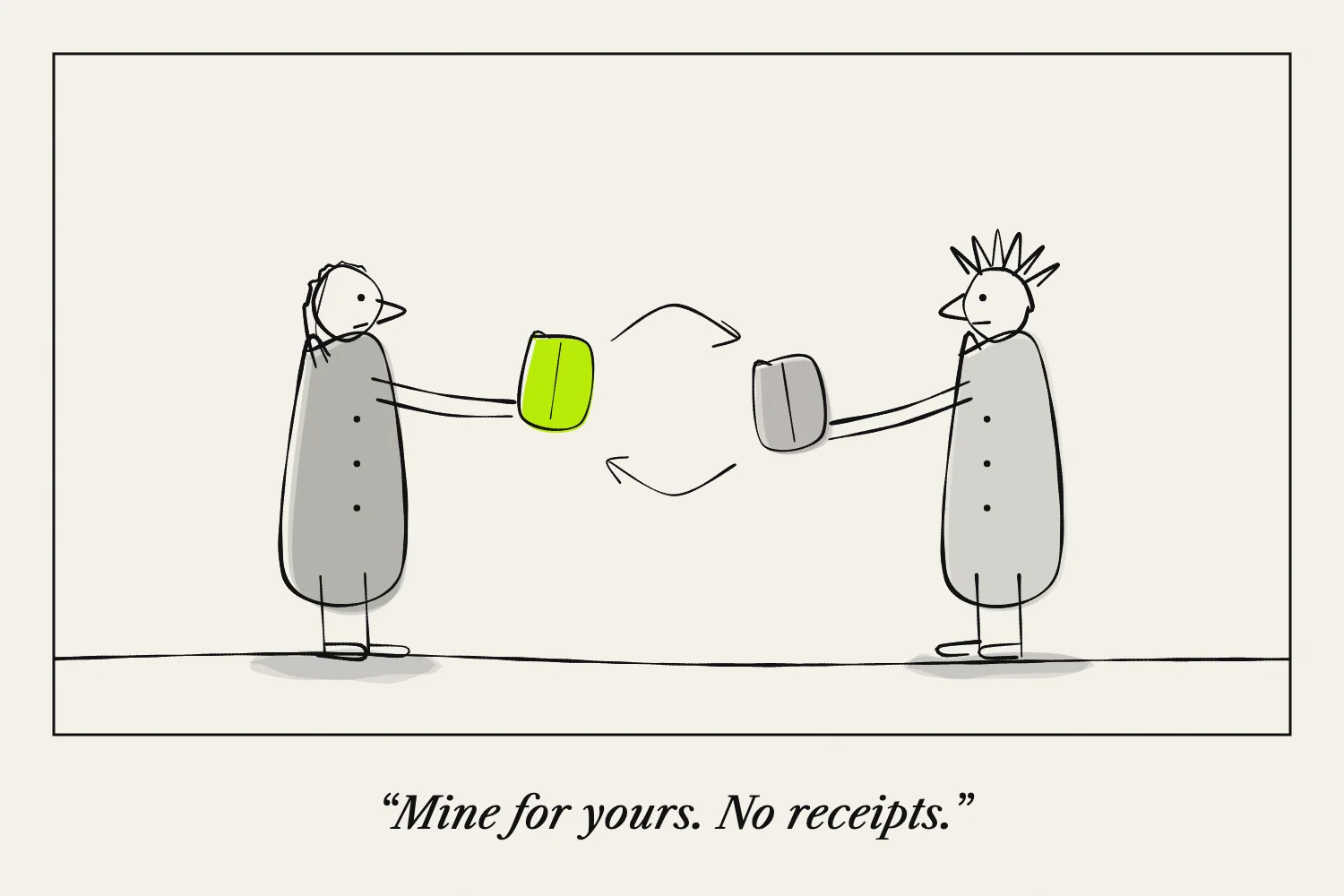
Direct orders, exchanges, shops and distributors offer different ways to reach readers.
2 min read
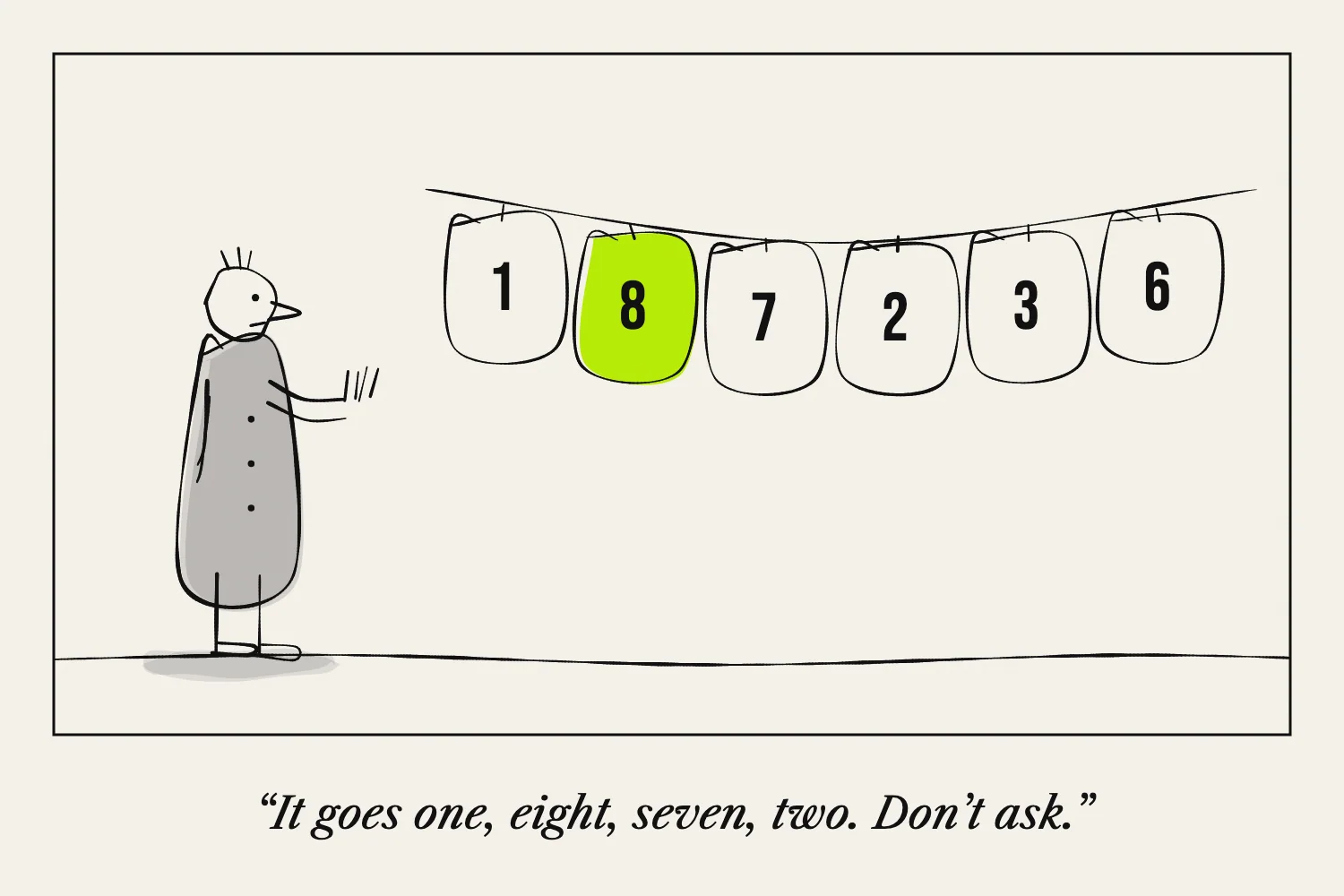
Understand why reading order and print order are different, and how to check both.
2 min read
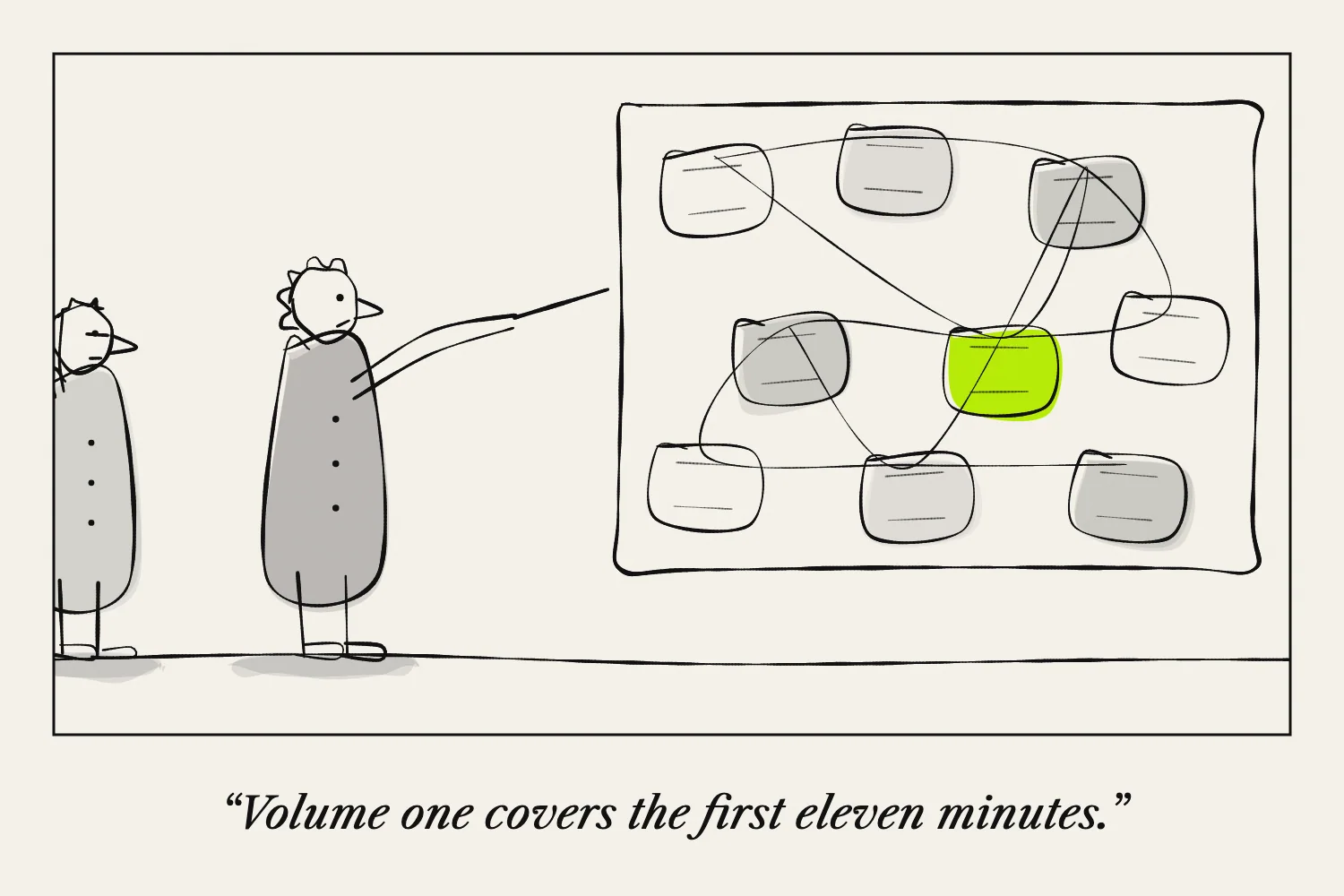
Choose one part of a subject you care about and give a new reader a clear way into it.
2 min read
Good handling and a suitable storage place do more than improvised repairs.
2 min read
Build a collection around work you want to read, and give yourself a simple way to keep track of it.
2 min read
Match the file, paper and print settings, then check one assembled copy before making a batch.
2 min read
Give every page a purpose before you start arranging the printable sheet.
3 min read
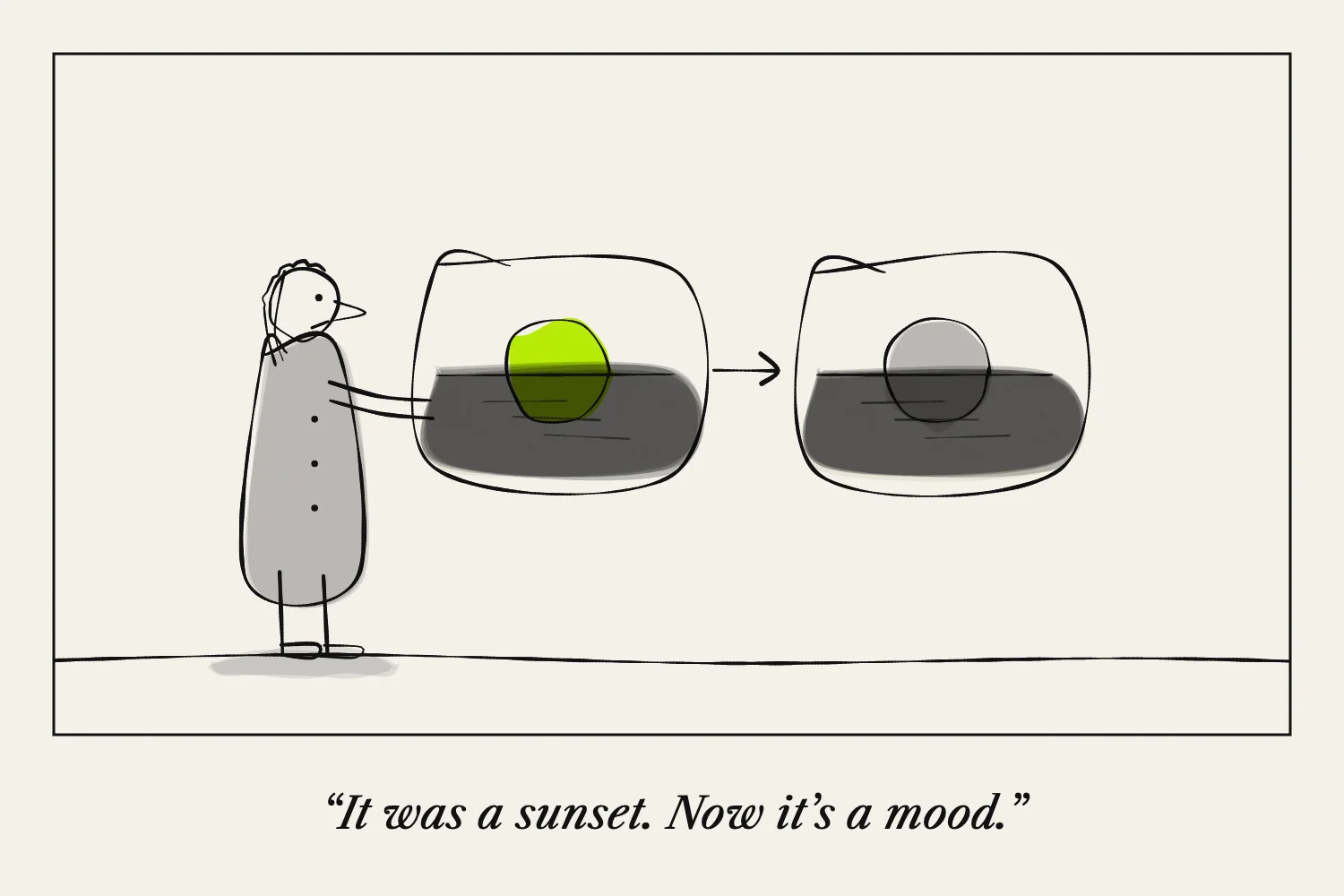
Keep text, photographs and collages clear when colour is removed.
2 min read
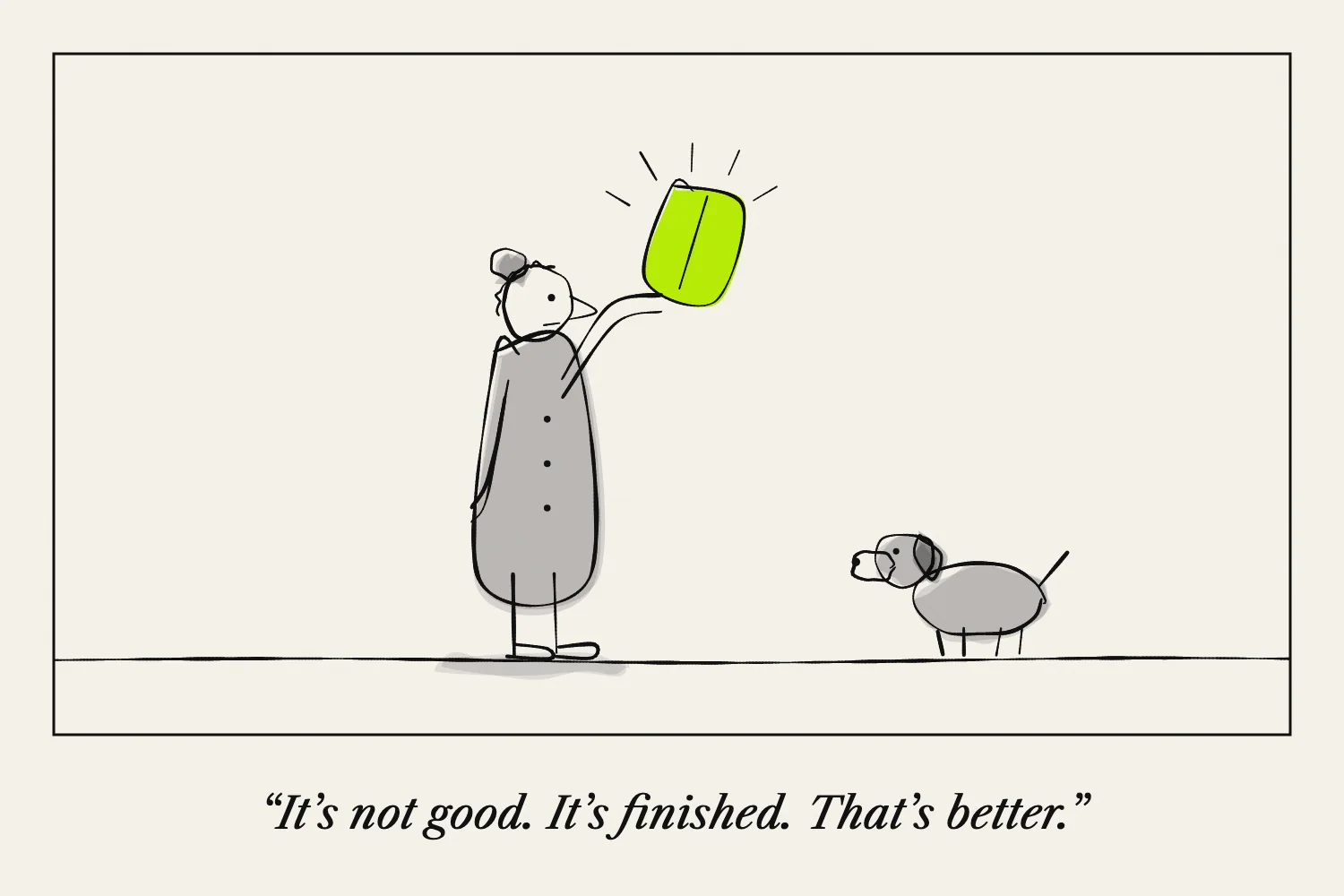
A manageable first project: six short observations, two covers, and one finished copy.
2 min read
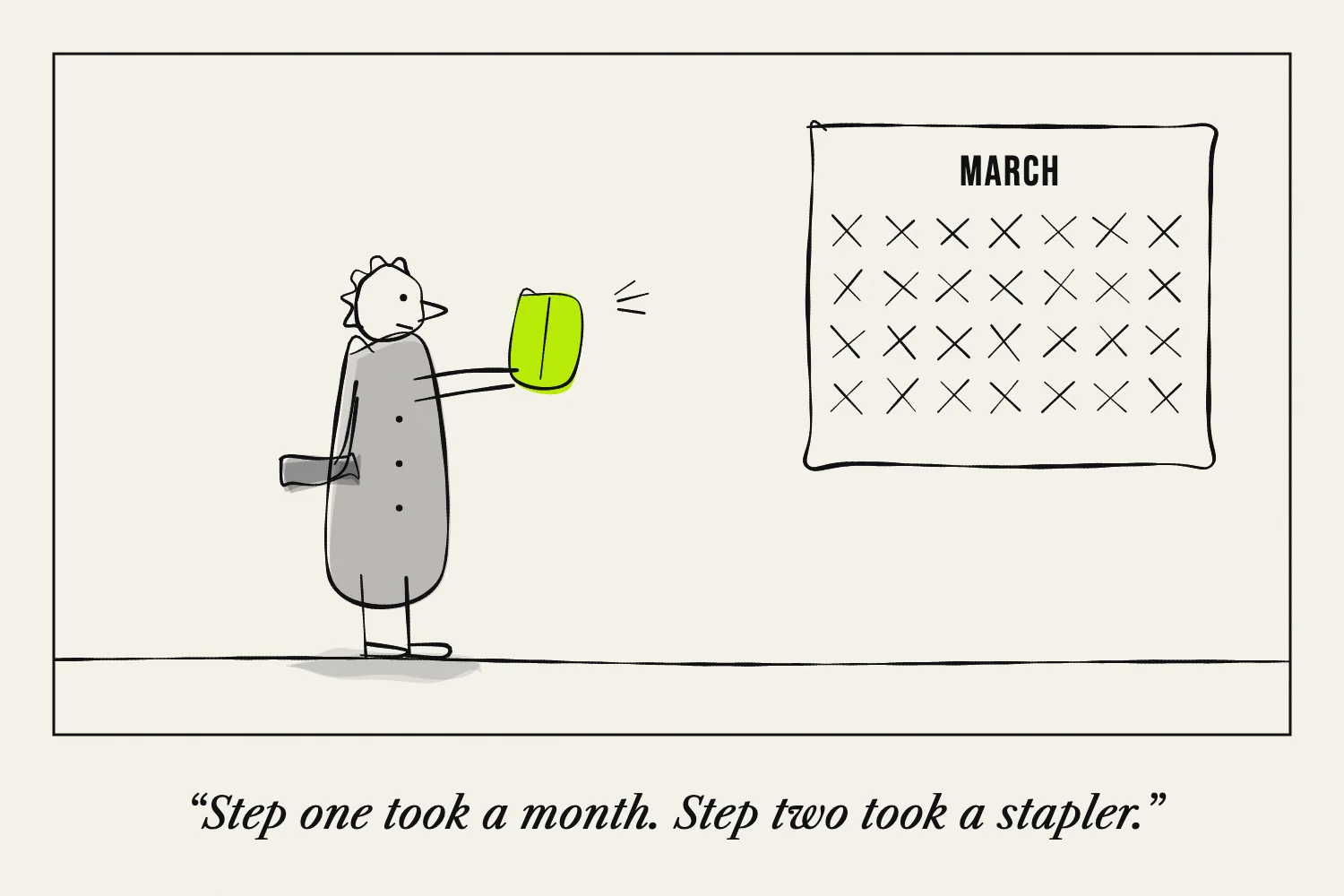
Turn an idea into a small publication, from choosing a format to checking your first printed copy.
2 min read
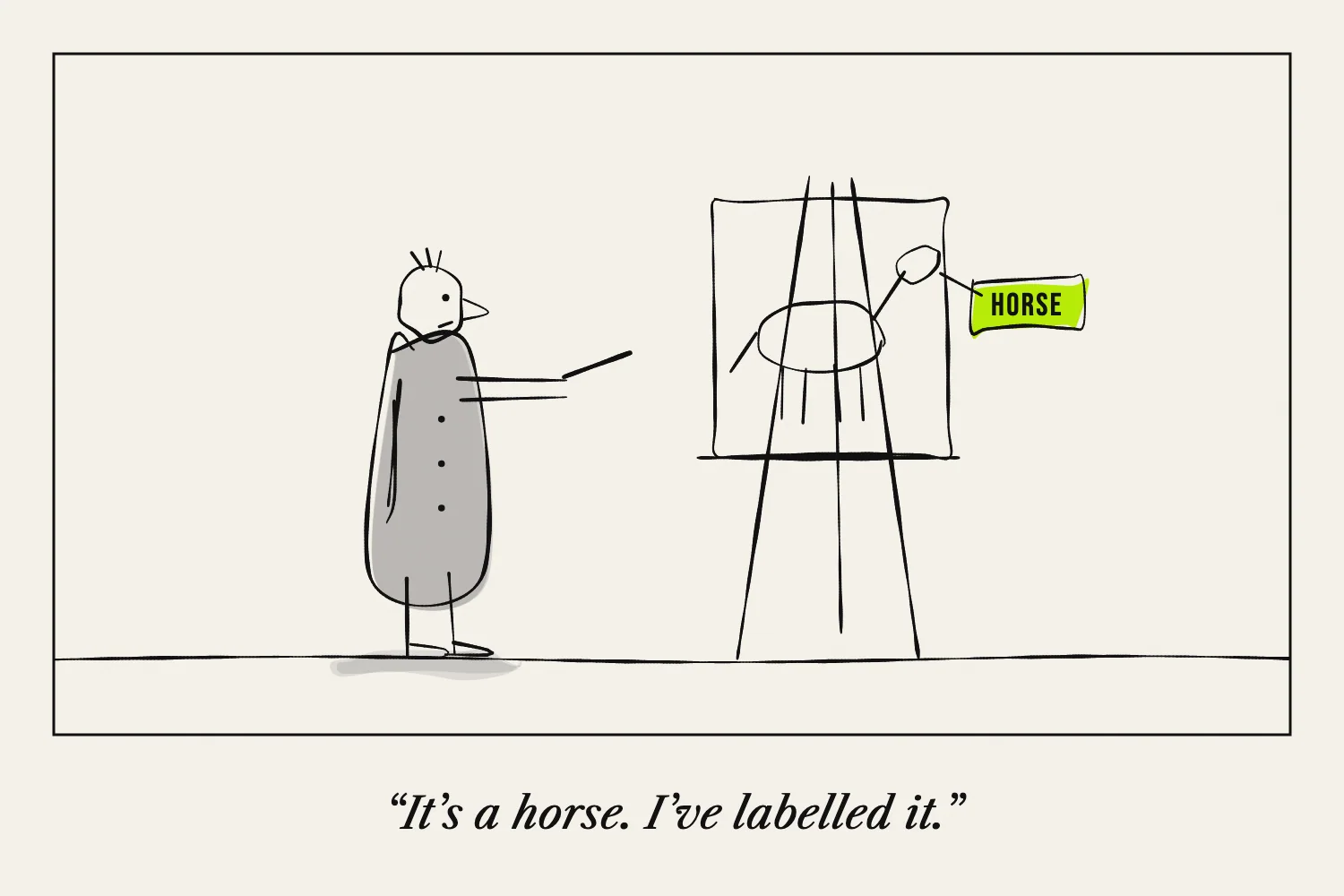
Use writing, photographs, type and simple arrangements to make pages without illustration skills.
2 min read
Use a narrow subject to make closer observations instead of stretching it into a bigger theme.
2 min read
Build a sequence of photographs that works on paper, from selection to a folded proof.
2 min read
Turn an experience from your life into a readable zine while choosing what you want to share.
2 min read
Choose a folding structure, plan the small pages, and turn one printed sheet into a complete zine.
2 min read
Choose an angle on something you love and make a publication other fans can follow.
2 min read
Build pages from cut paper, photographs and text, then test how the layers reproduce.
2 min read
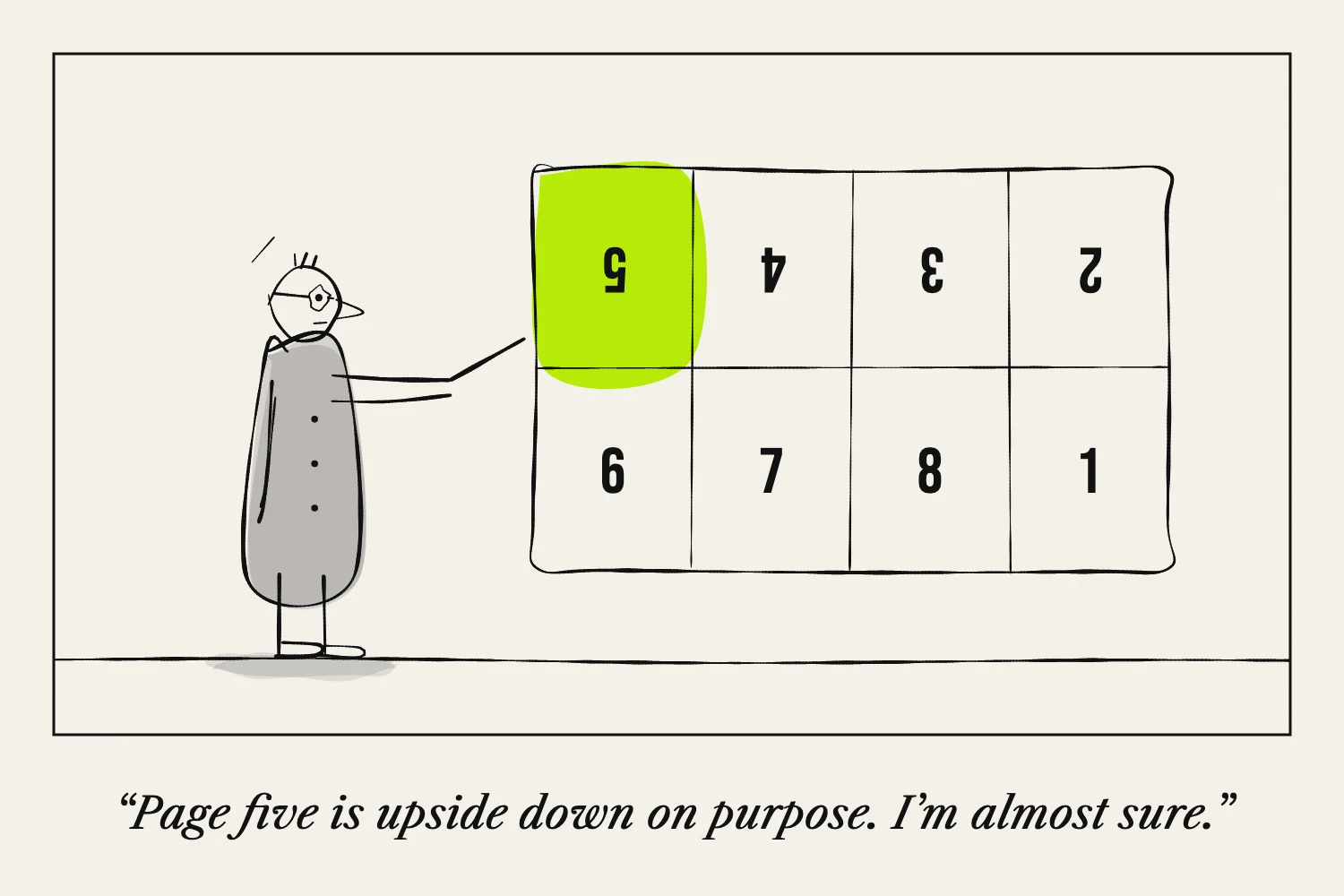
Transfer a reading sequence onto the correct print template without guessing where the pages go.
2 min read
Make the classic eight-page booklet from one sheet, with a single cut through the middle.
2 min read
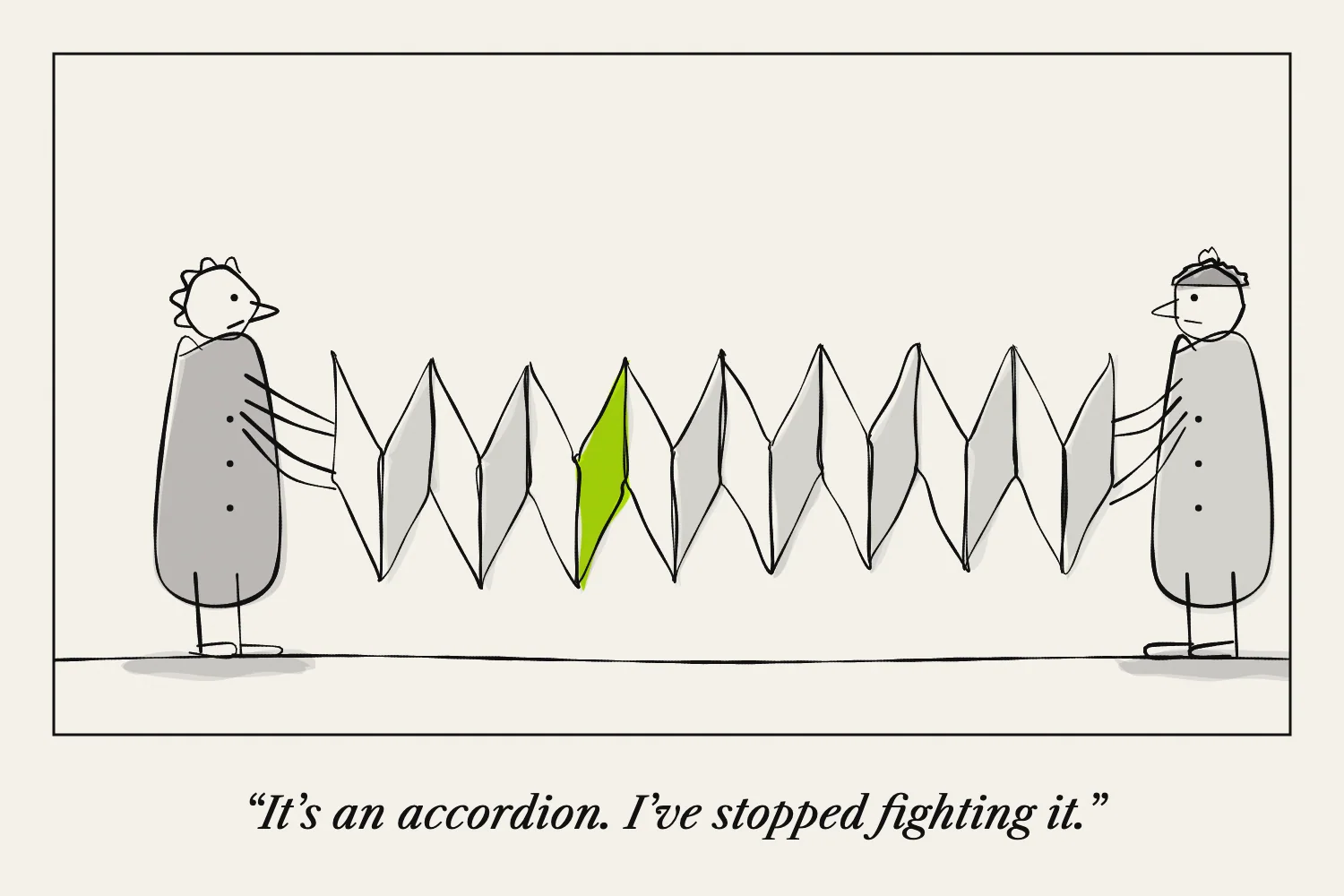
Use a four-by-four grid and three alternating cuts to make a small accordion zine.
3 min read
Use a short inventory and a small constraint to find material you can actually work with.
2 min read
Find a subject with enough substance for a zine and a clear enough boundary to finish.
2 min read
A small catalogue and a consistent storage system make a growing collection easier to use.
2 min read
Online publishing changed how work travelled, but the history is more complicated than print being replaced.
2 min read

Before the familiar superhero appeared, Jerry Siegel and Joe Shuster published a very different Superman.
2 min read
Readers turned a shared interest into publications, correspondence and lasting communities.
2 min read
Fan publications made room for research, strong opinions and music outside the usual coverage.
2 min read
Work out how much text your pages need without relying on an arbitrary word count.
2 min read
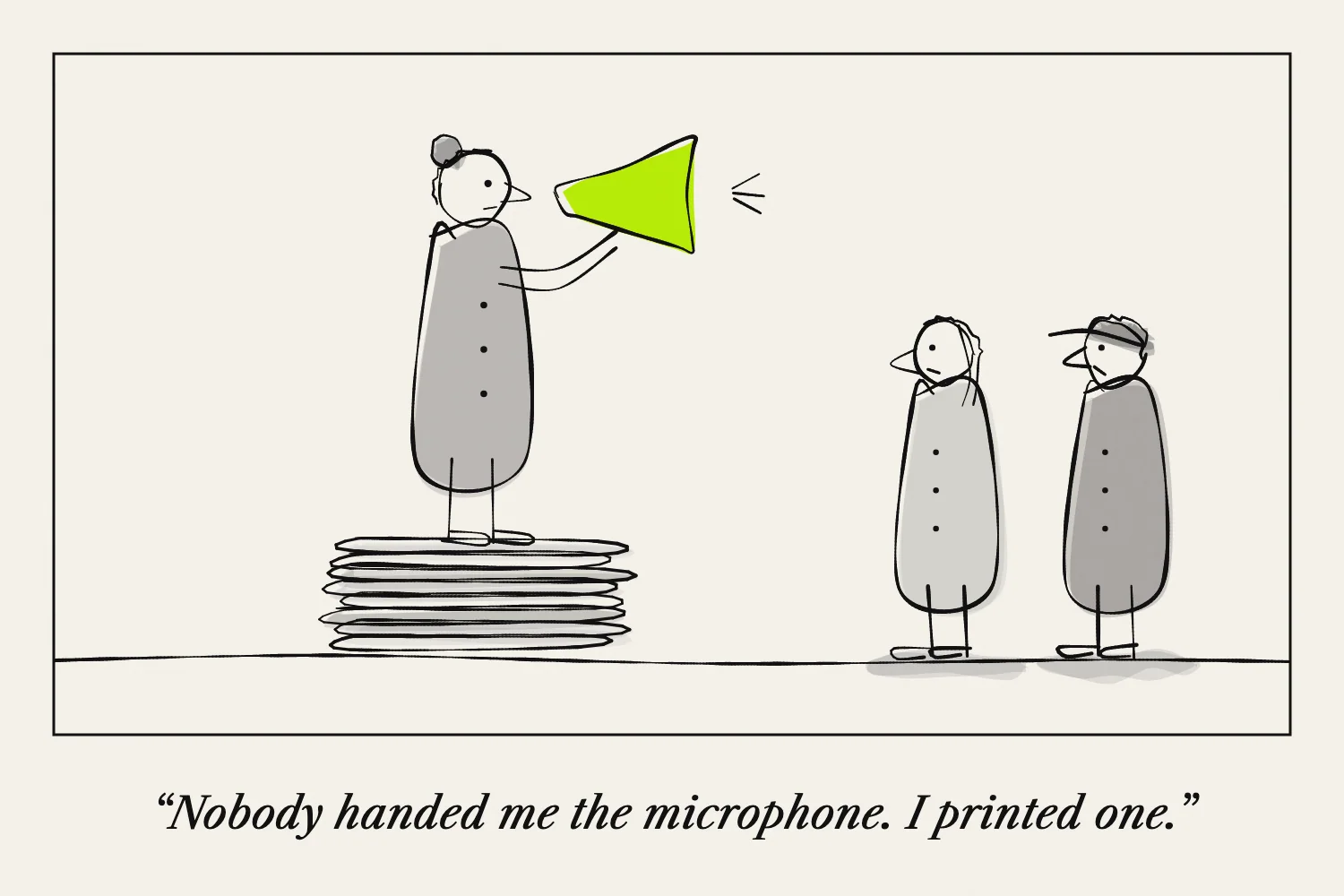
Feminist publishers used zines to question who gets heard, what counts as knowledge and whose experience is missing.
2 min read
Fans published about comics, while artists used small publications to make comics of their own.
2 min read
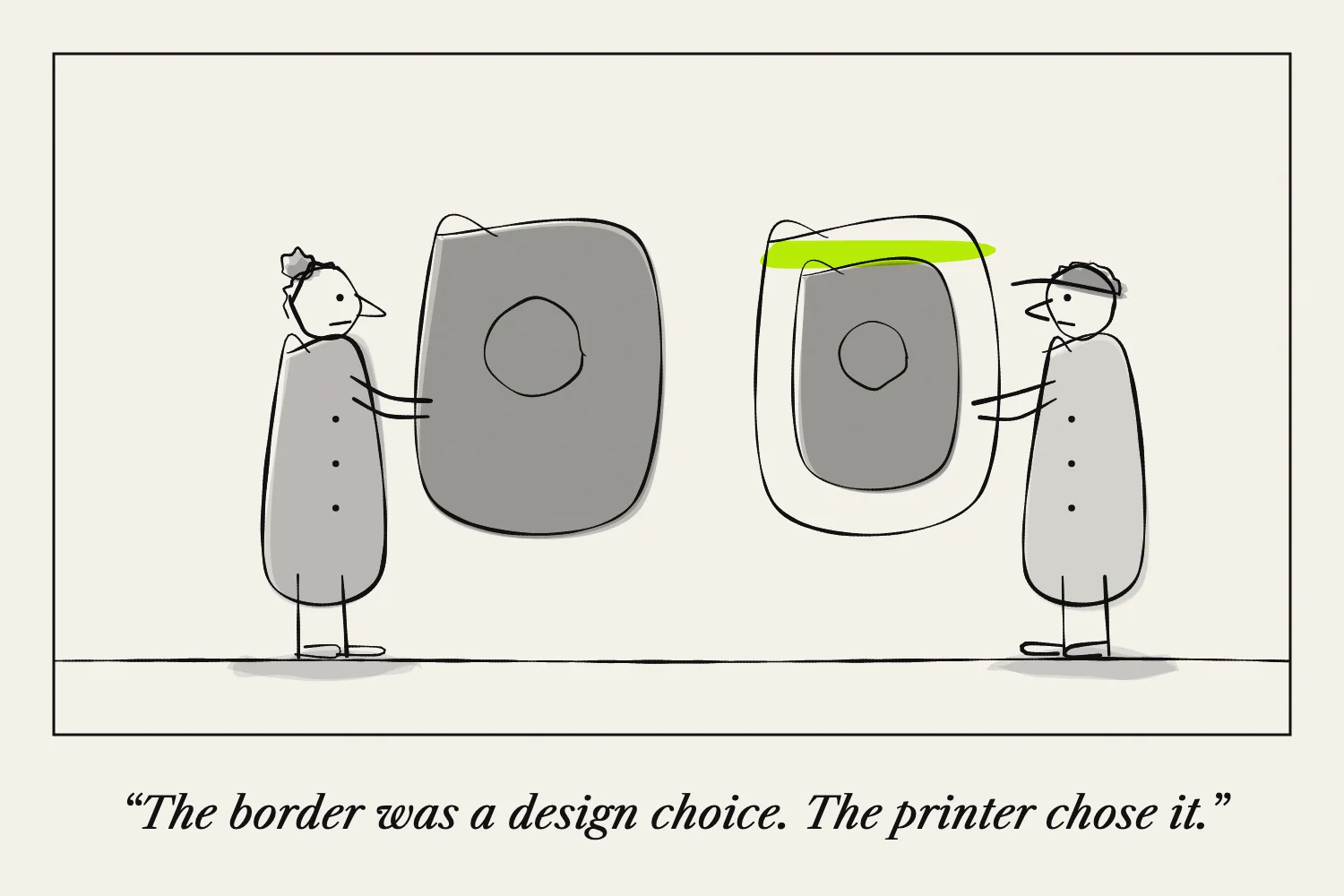
Understand artwork at the paper edge before choosing a layout or asking a printer for a quote.
2 min read
Compare ways of sharing personal work without assuming everyone followed the same path.
2 min read
Ray Bradbury and George R.R. Martin took part in fan publishing before their later fame.
2 min read
Some publications grew into larger magazines while keeping a connection to their small beginnings.
2 min read
What exhibitions can show about independent publishing, and what to look for beyond the cover.
2 min read
Understand duplex printing, page order and the test that prevents upside-down backs.
2 min read
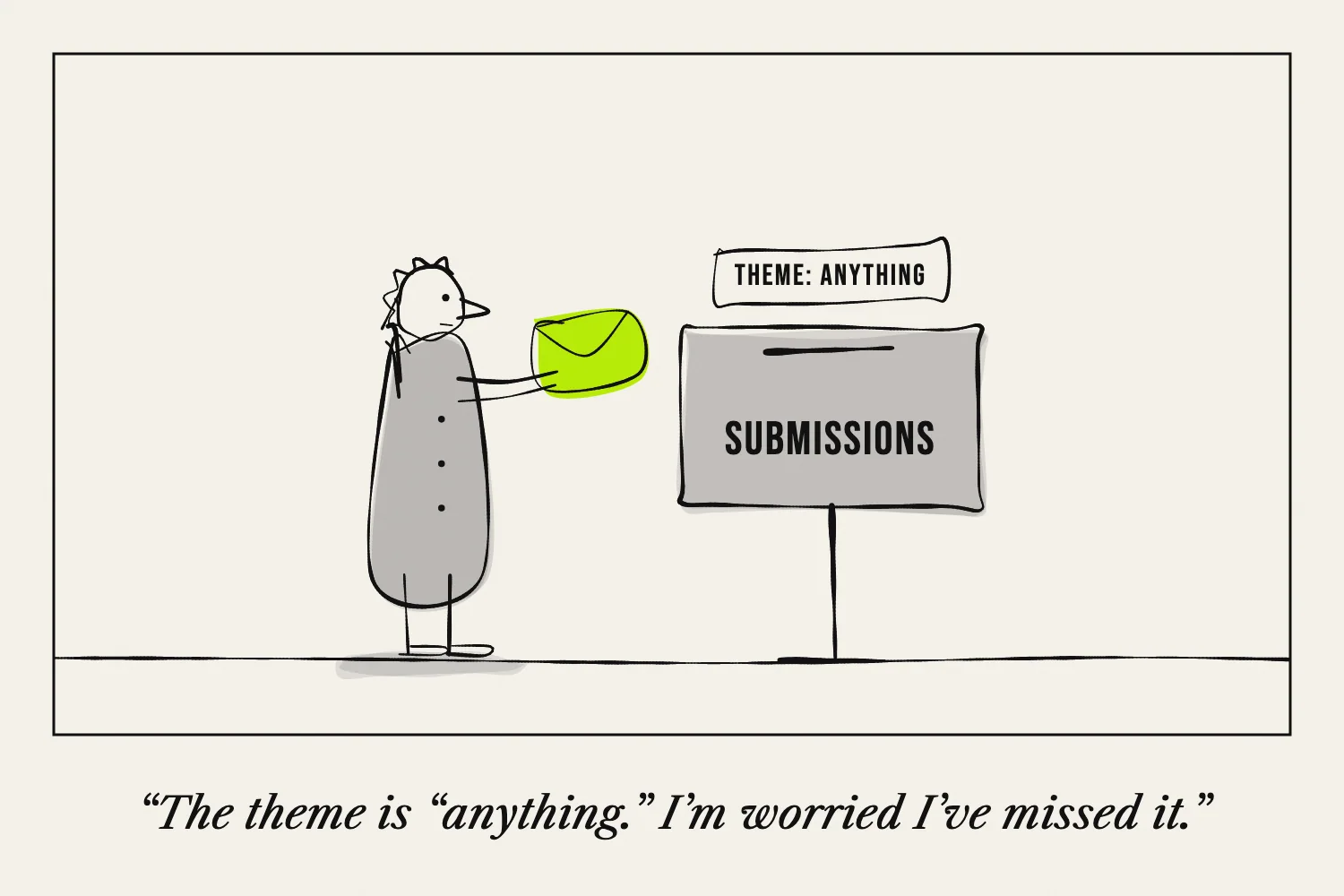
How to understand an invitation to contribute, decide whether it fits, and prepare a clear submission.
2 min read
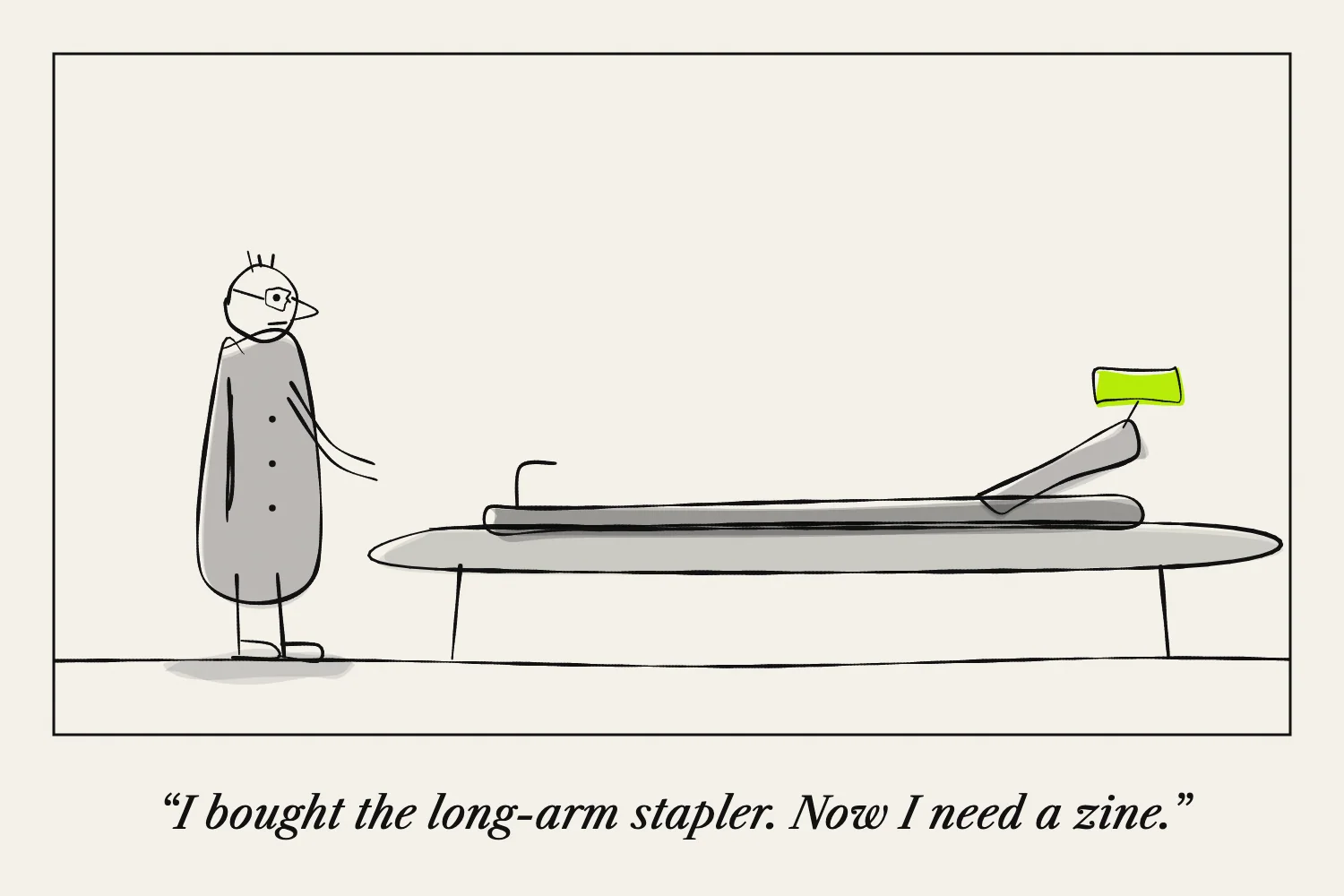
Choose tools for writing, arranging, copying and binding without buying a whole studio.
2 min read
Printed fan fiction gave writers space to imagine a relationship the television series did not depict.
2 min read
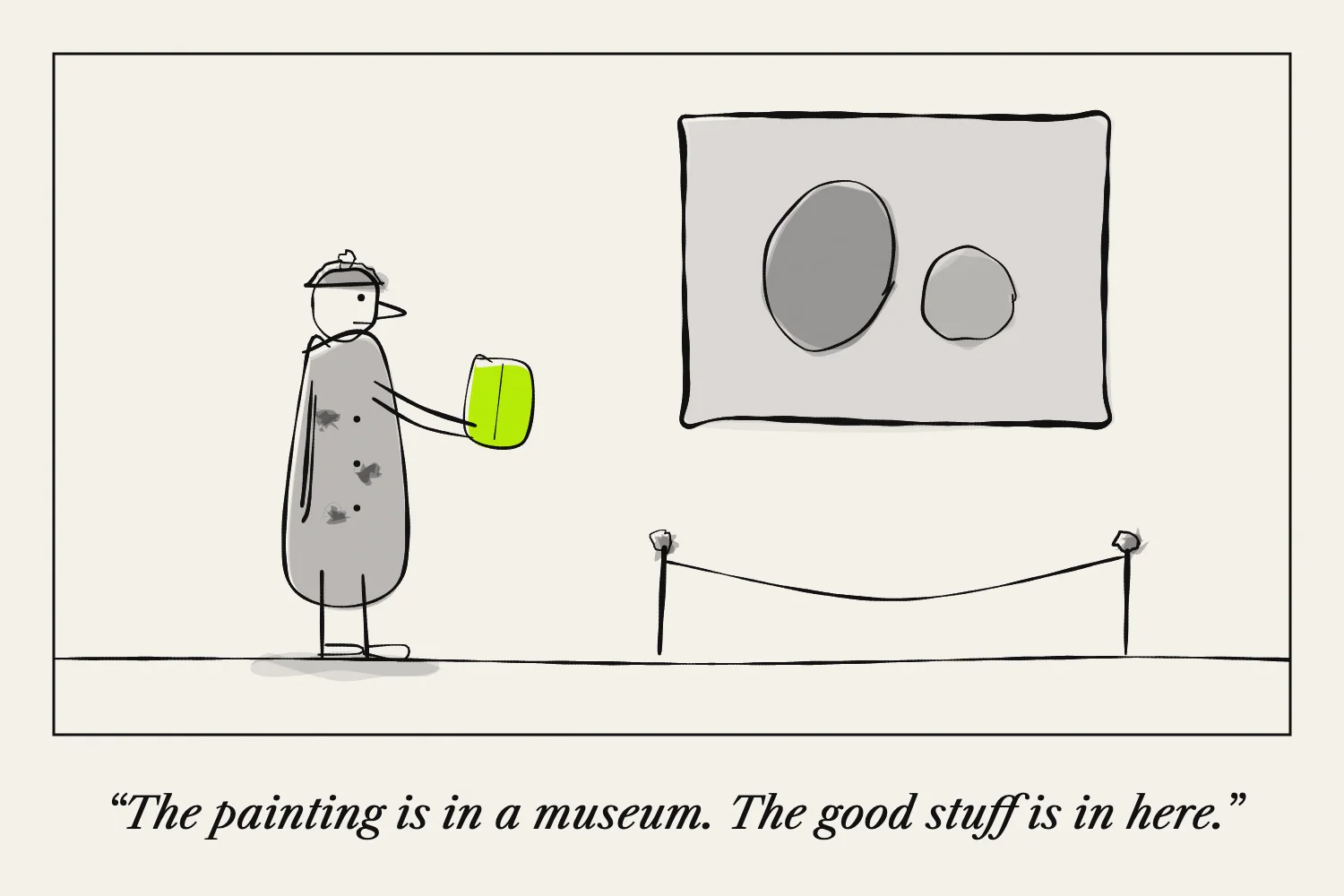
Zines can be part of an artist's practice, with possibilities distinct from a single image on a wall.
2 min read
Compare paper, screen and mixed methods by the work your zine actually needs.
2 min read
Horror fans turned their interest into film criticism, interviews and publications of their own.
2 min read
Distributors helped small publications reach readers beyond a maker's immediate circle.
2 min read
Queer publishing includes art, criticism, everyday life and the work of preserving community memory.
2 min read
From science-fiction fan mail to punk, queer publishing and feminist networks, zines have helped people write for—and find—one another.
7 min read
Fifty starting points for writing, photographs, drawings and small investigations.
3 min read

A plain answer, before anything else in Learn.
1 min read