History
Before and Alongside Zines: Independent Print
Pamphlets, little magazines and samizdat reveal different reasons people publish outside established channels.
2 min read
Learn
Pamphlets, little magazines and samizdat reveal different reasons people publish outside established channels.
2 min read
An old issue can preserve everyday details that a later history leaves out.
2 min read
Print can feel newly appealing without having disappeared in the first place.
2 min read
Making a publication gave people another way to participate in the music around them.
2 min read
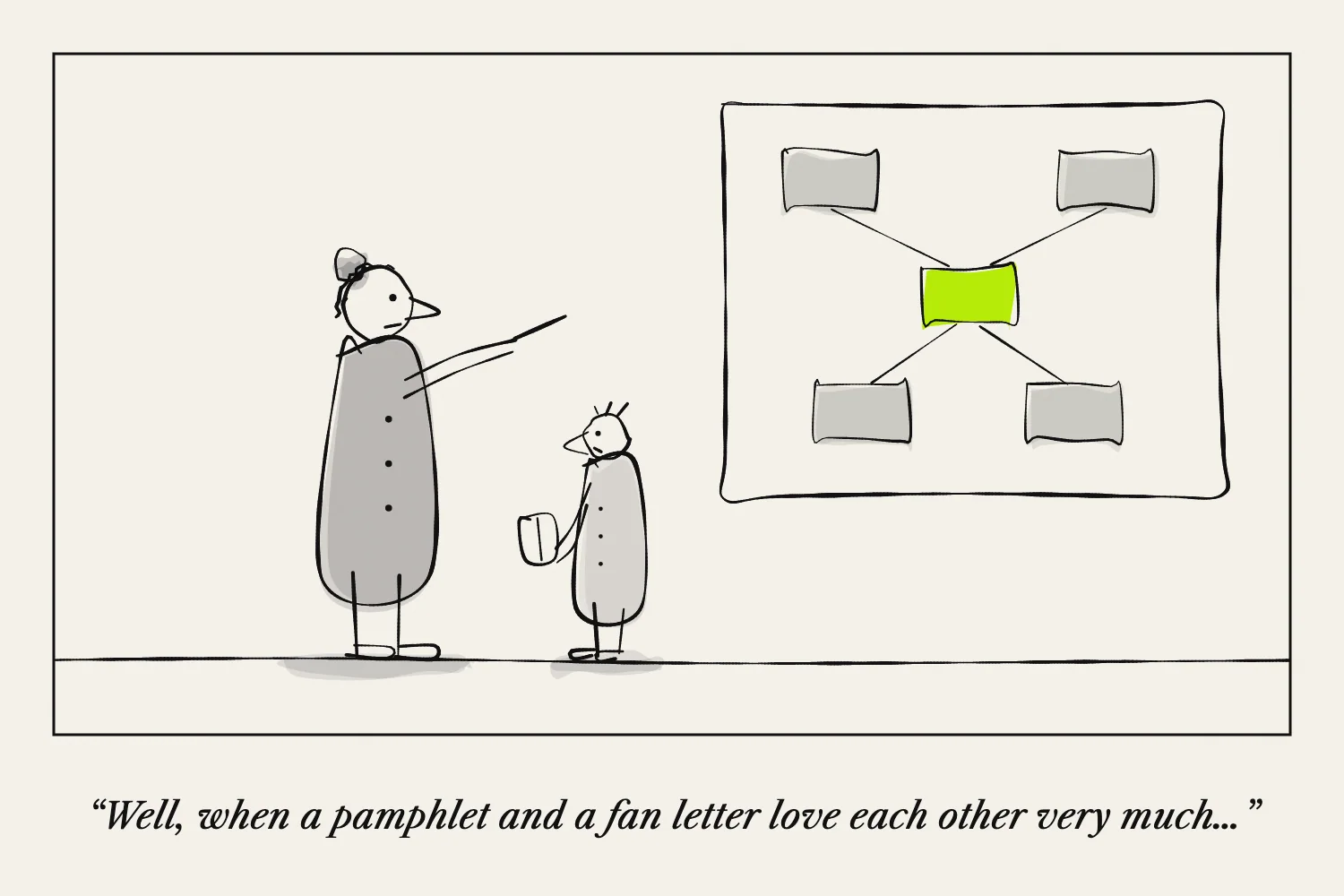
Zines grew from several ways of making and sharing print outside established publishing.
2 min read
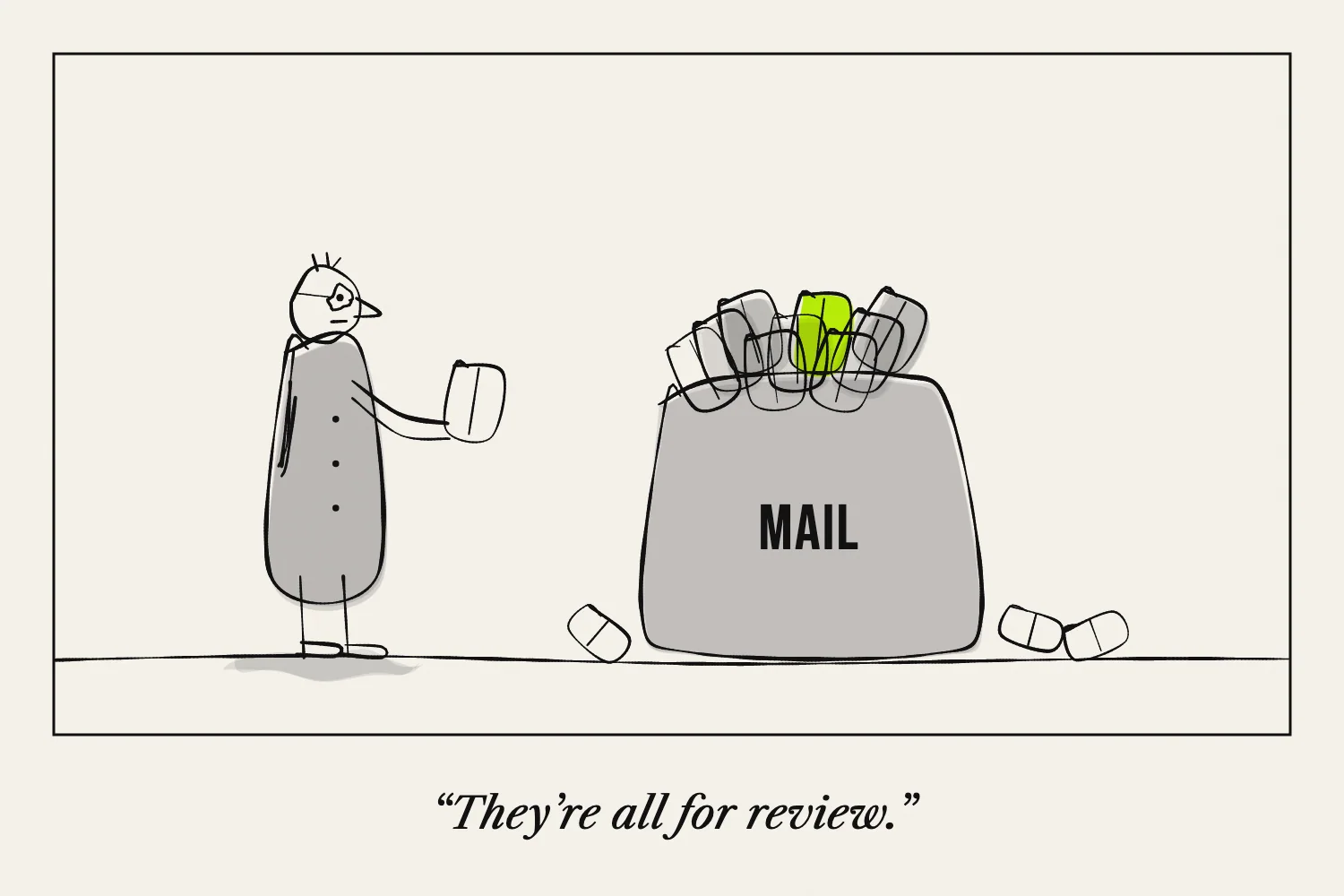
A review publication helped people find zines—and find one another.
2 min read
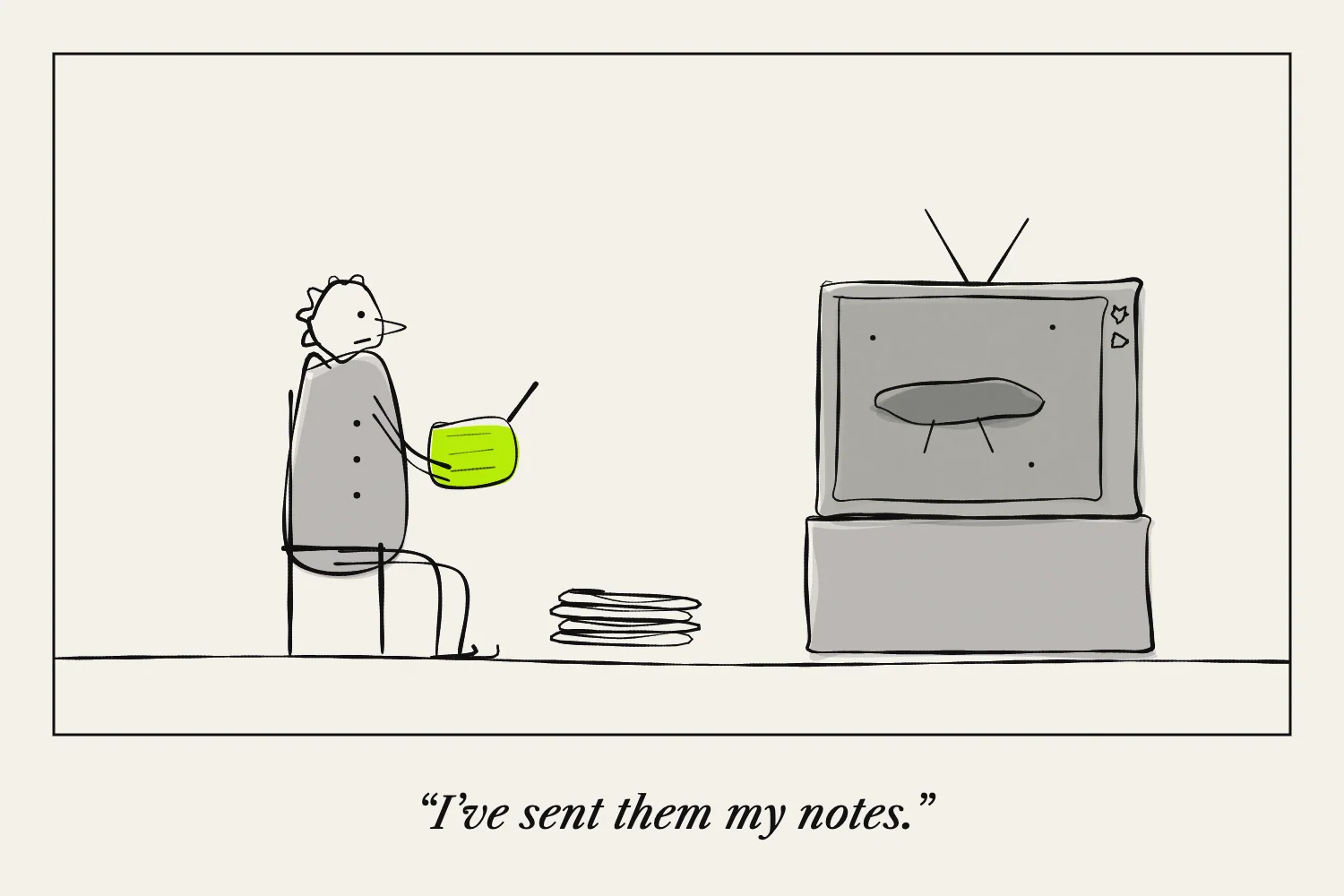
Fan-made publications gave viewers room to write, draw and talk back to the people making the show.
2 min read
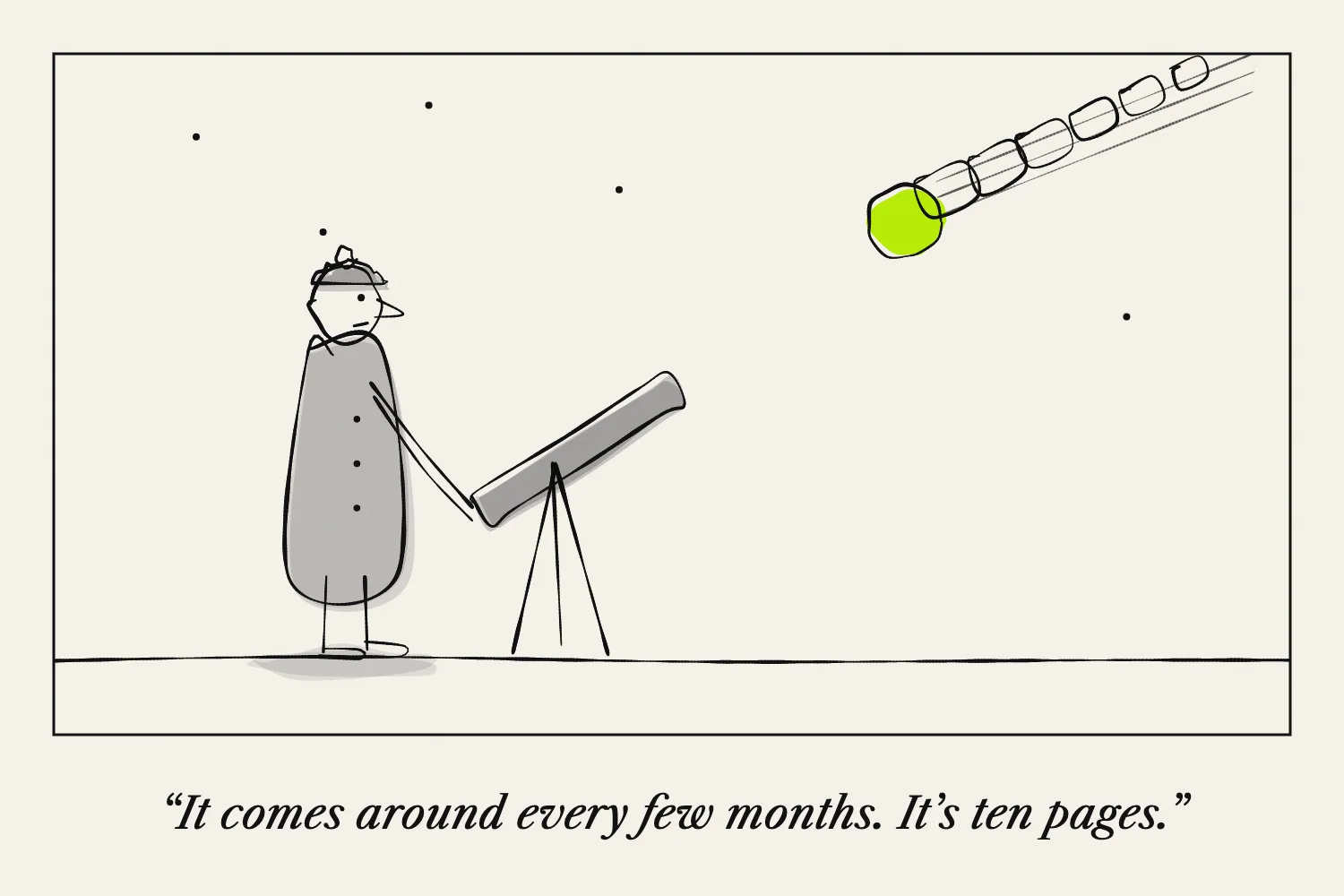
A ten-page club bulletin from 1930 helps explain what early fanzines were for.
2 min read
Mark Perry's short-lived publication became an influential record of British punk as it was happening.
2 min read
Publishing became part of a feminist punk movement—and a place to question the movement itself.
2 min read
Punk gave zines a powerful visual identity, but fan publishing was already decades old.
2 min read
Reviews, interviews and printed contact details helped listeners move from curiosity to discovery.
2 min read
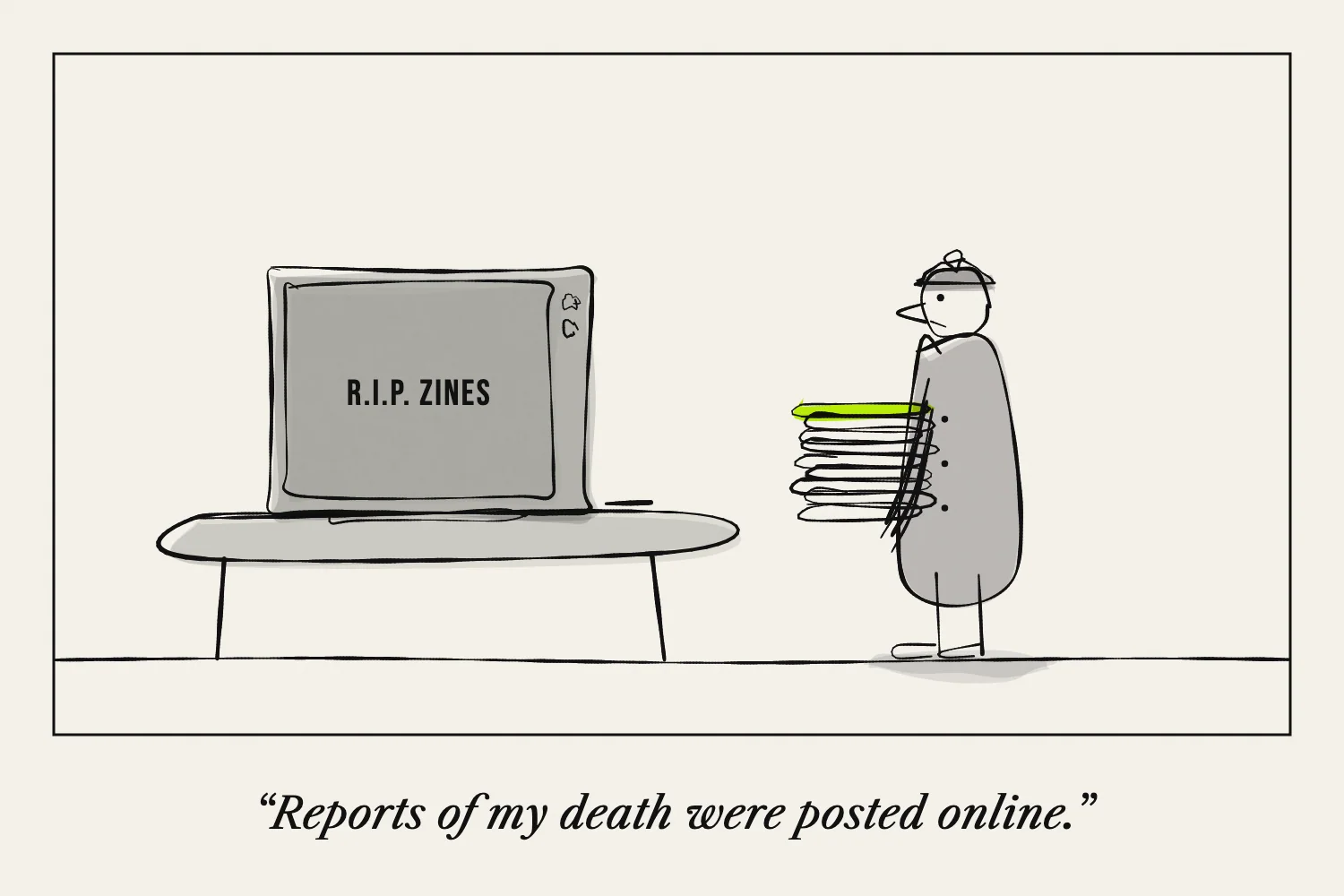
Online publishing changed how work travelled, but the history is more complicated than print being replaced.
2 min read
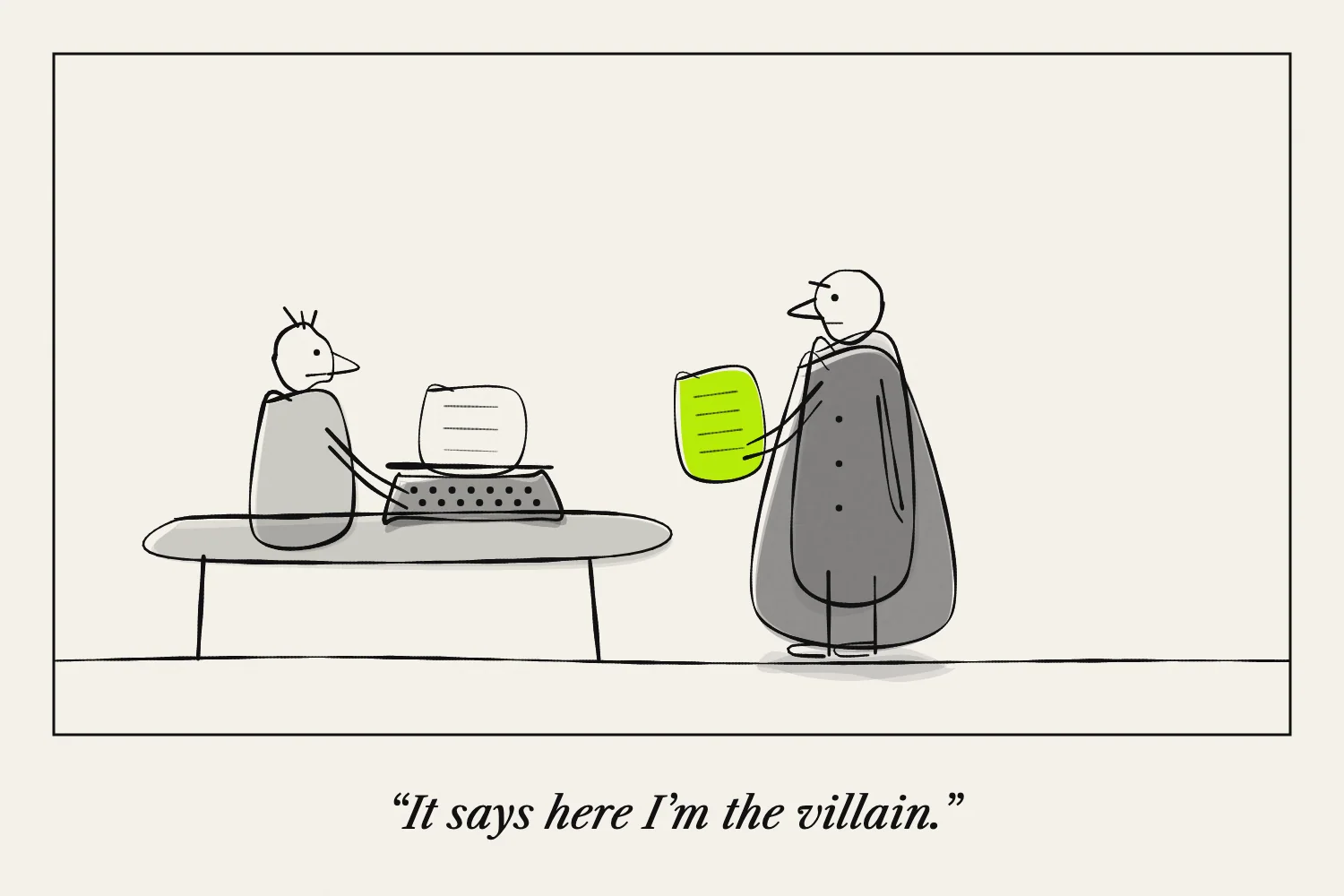
Before the familiar superhero appeared, Jerry Siegel and Joe Shuster published a very different Superman.
2 min read
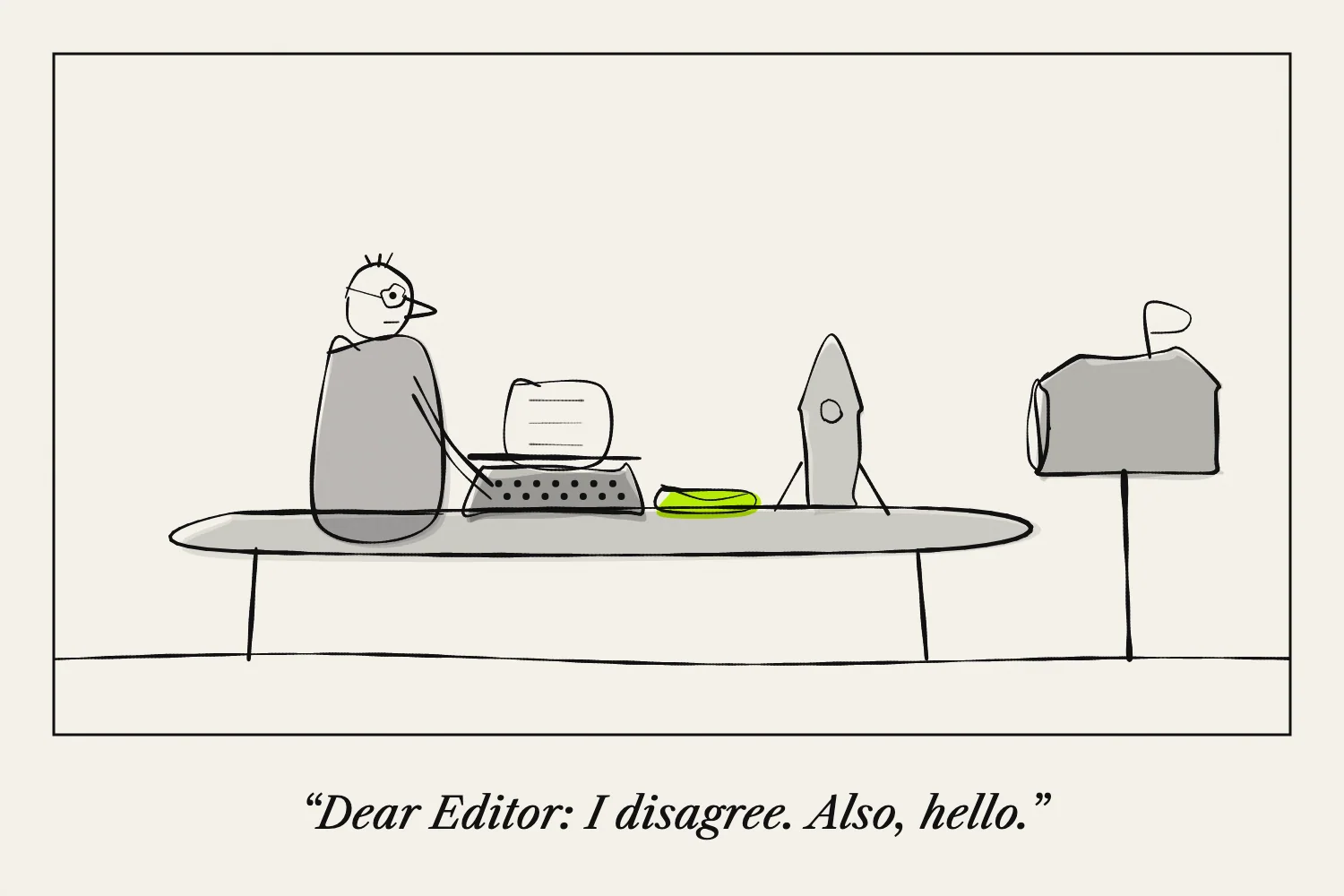
Readers turned a shared interest into publications, correspondence and lasting communities.
2 min read
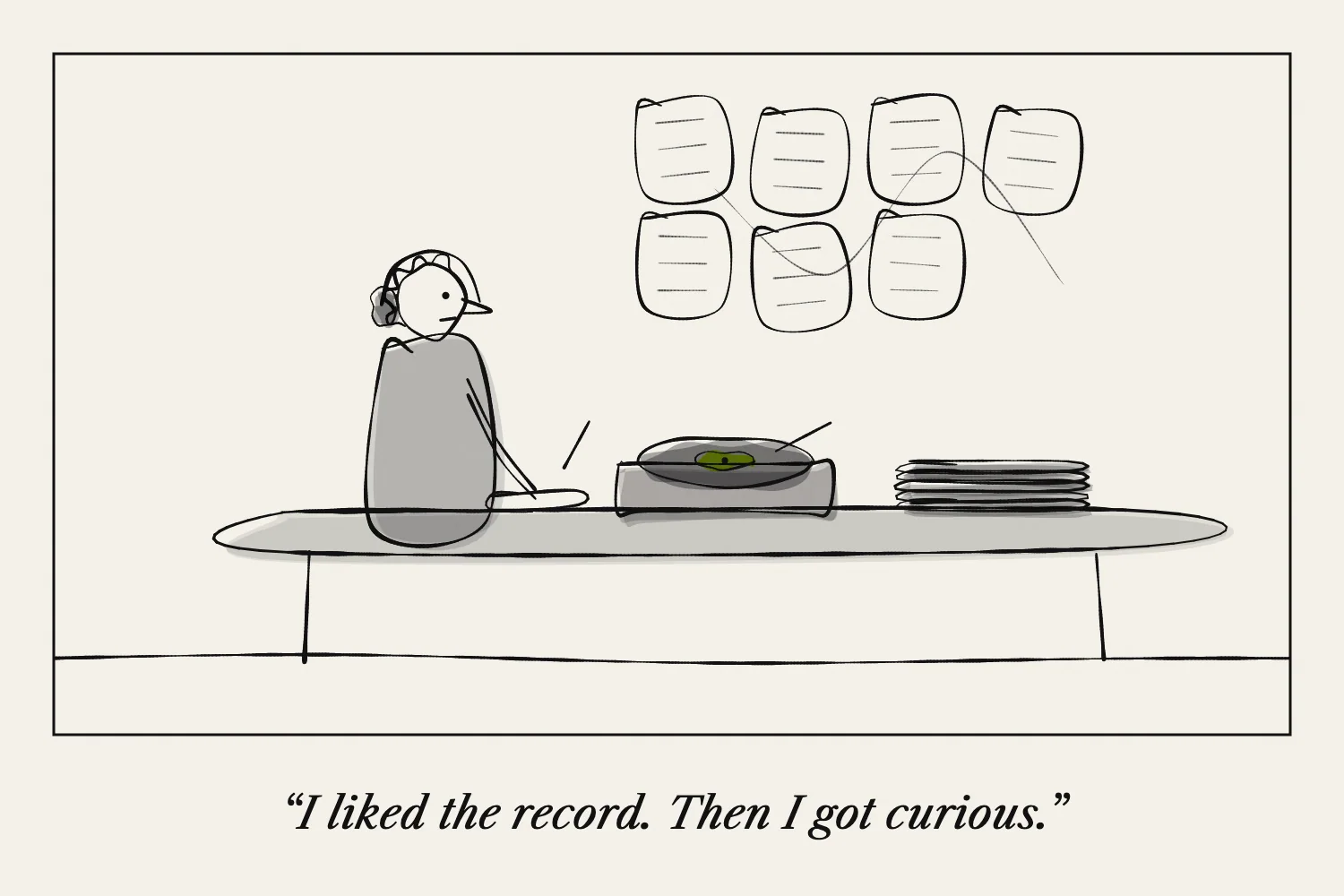
Fan publications made room for research, strong opinions and music outside the usual coverage.
2 min read
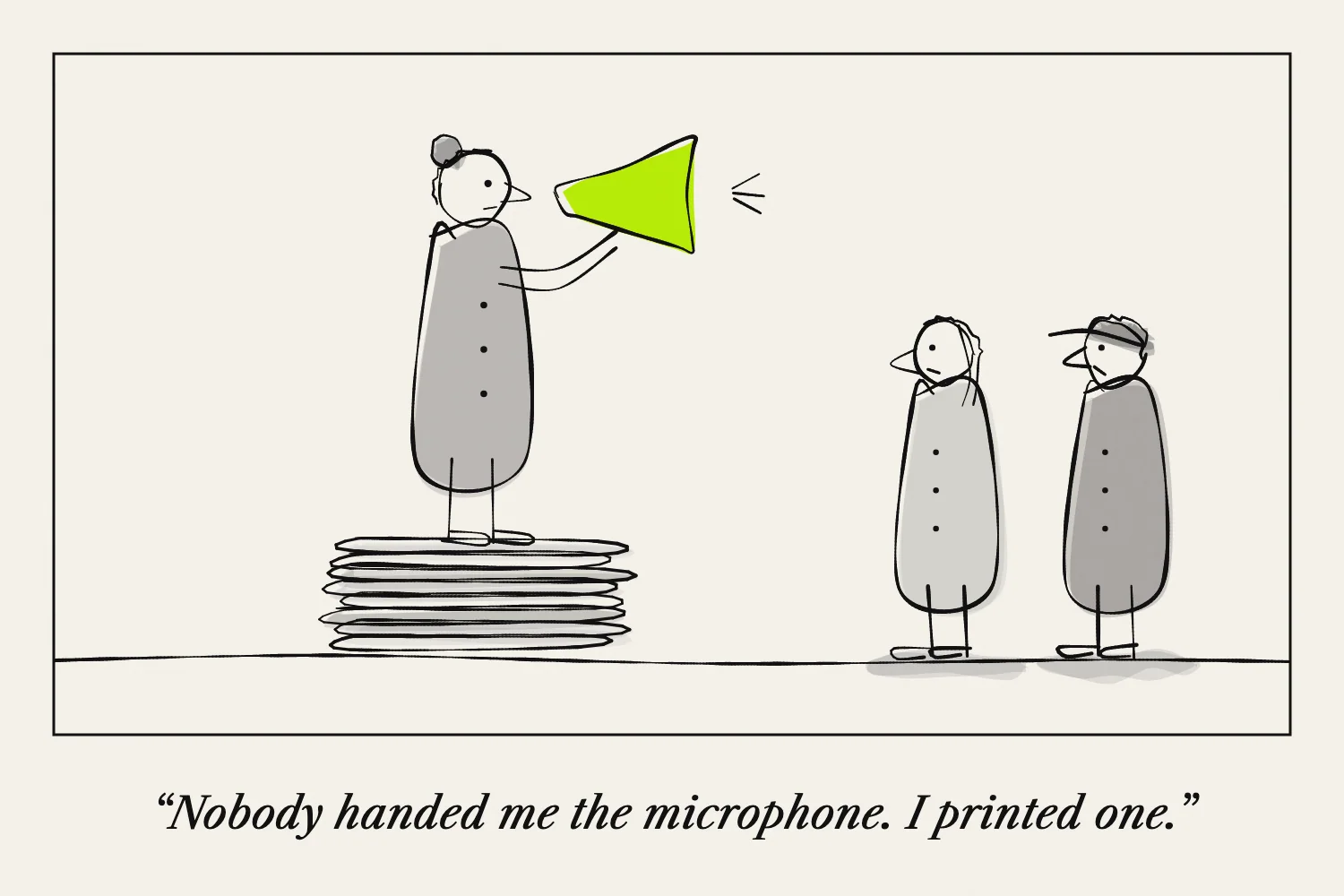
Feminist publishers used zines to question who gets heard, what counts as knowledge and whose experience is missing.
2 min read
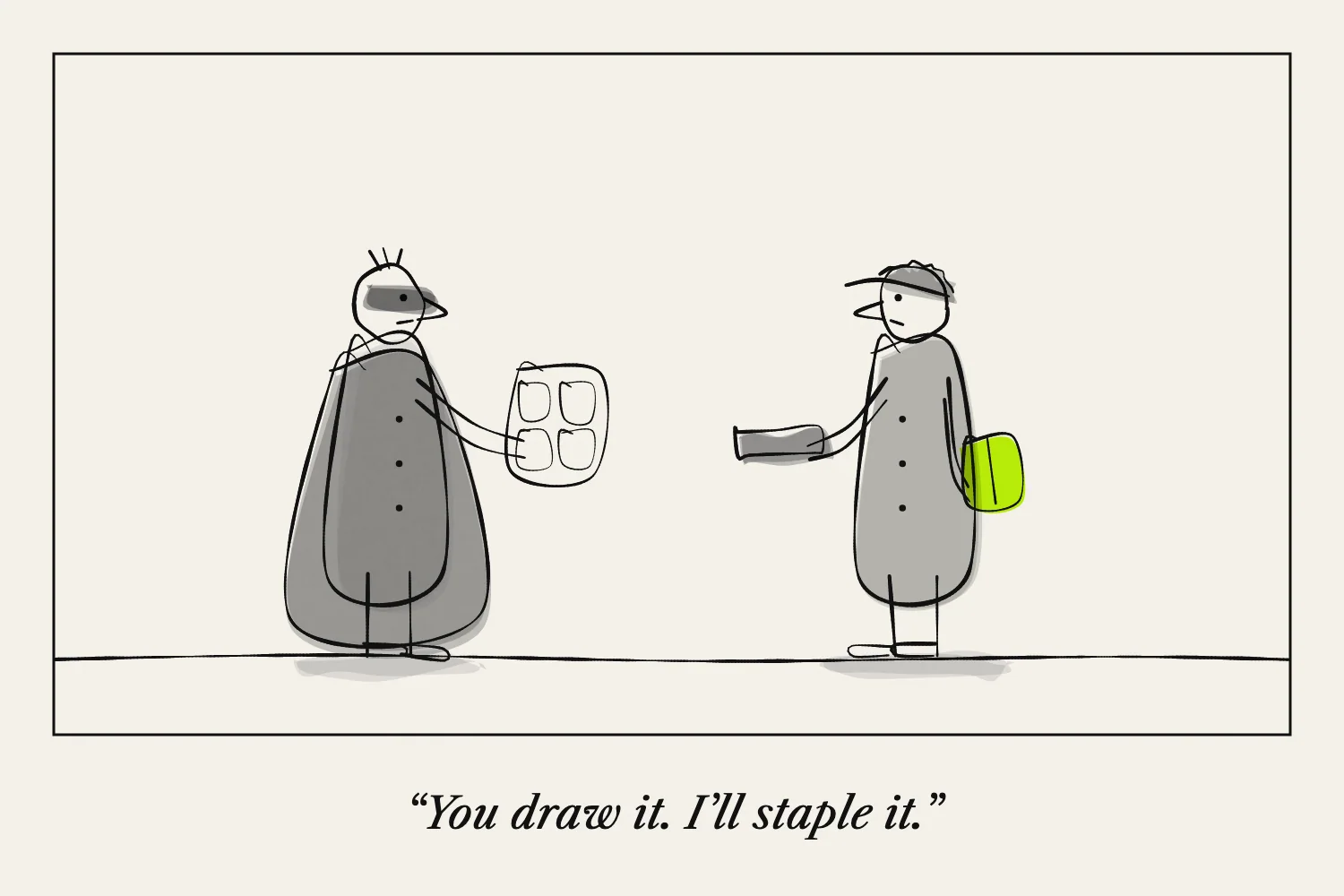
Fans published about comics, while artists used small publications to make comics of their own.
2 min read
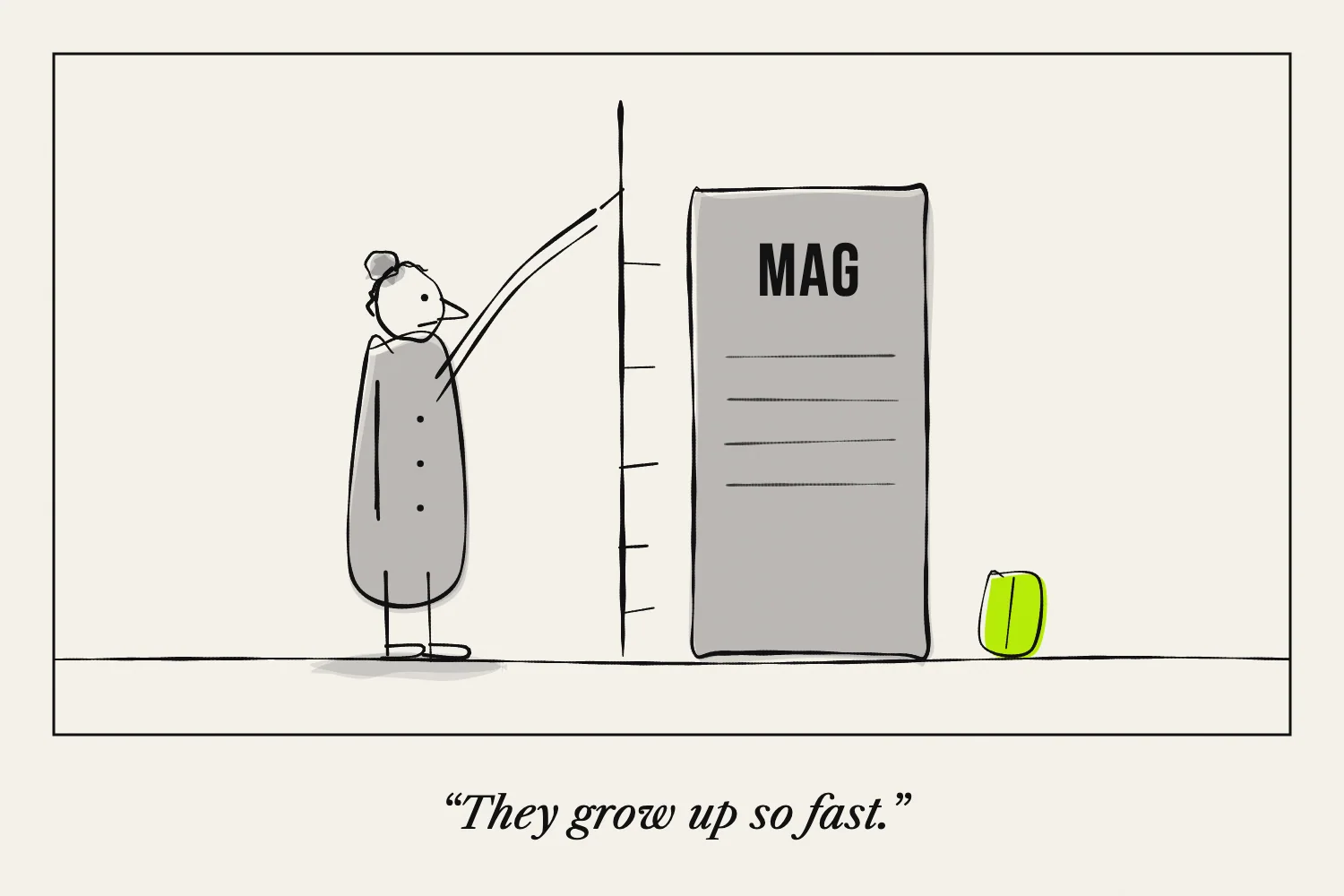
Some publications grew into larger magazines while keeping a connection to their small beginnings.
2 min read
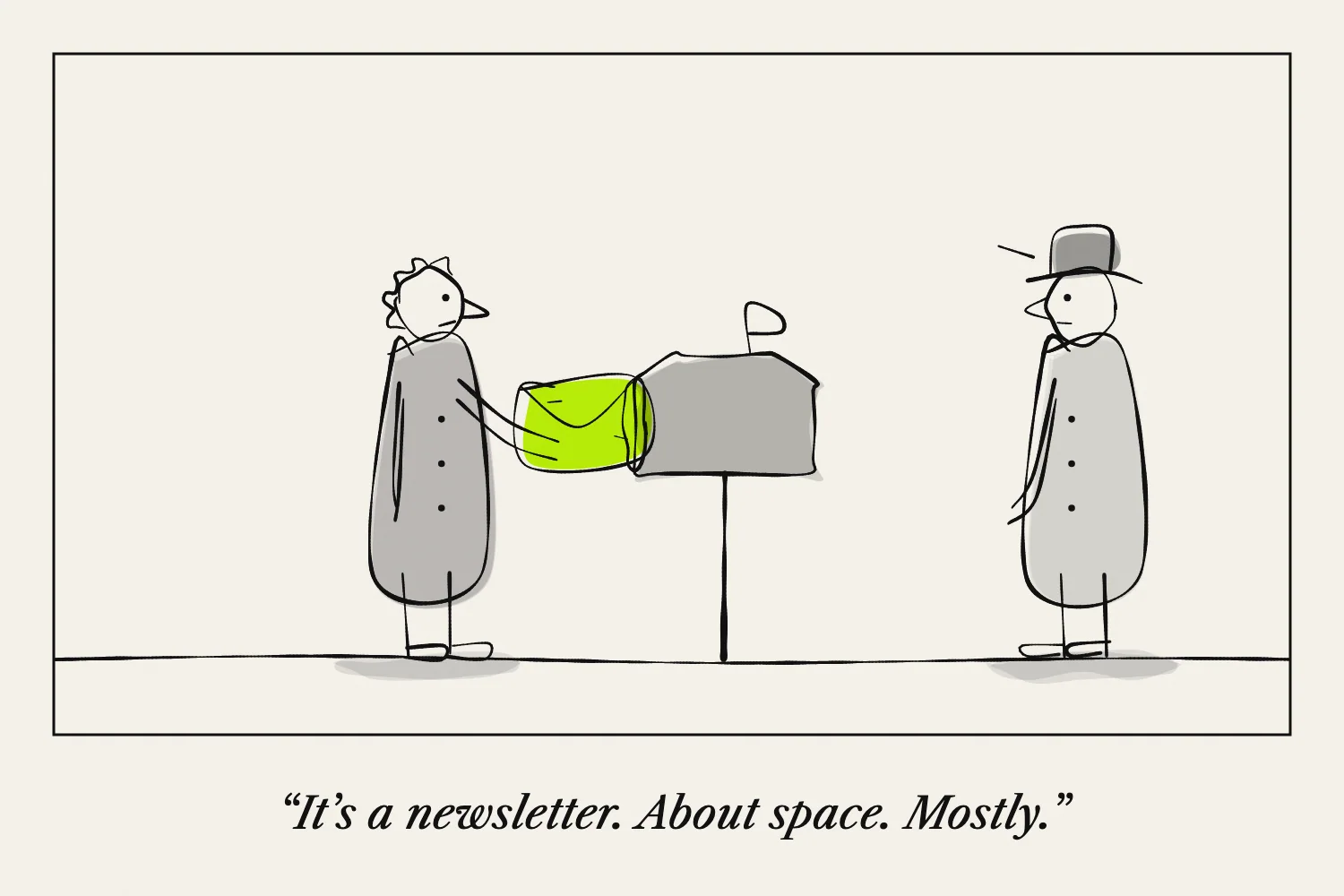
Printed fan fiction gave writers space to imagine a relationship the television series did not depict.
2 min read
Horror fans turned their interest into film criticism, interviews and publications of their own.
2 min read
Queer publishing includes art, criticism, everyday life and the work of preserving community memory.
2 min read
From science-fiction fan mail to punk, queer publishing and feminist networks, zines have helped people write for—and find—one another.
7 min read