Exhibitions About Zines
What exhibitions can show about independent publishing, and what to look for beyond the cover.
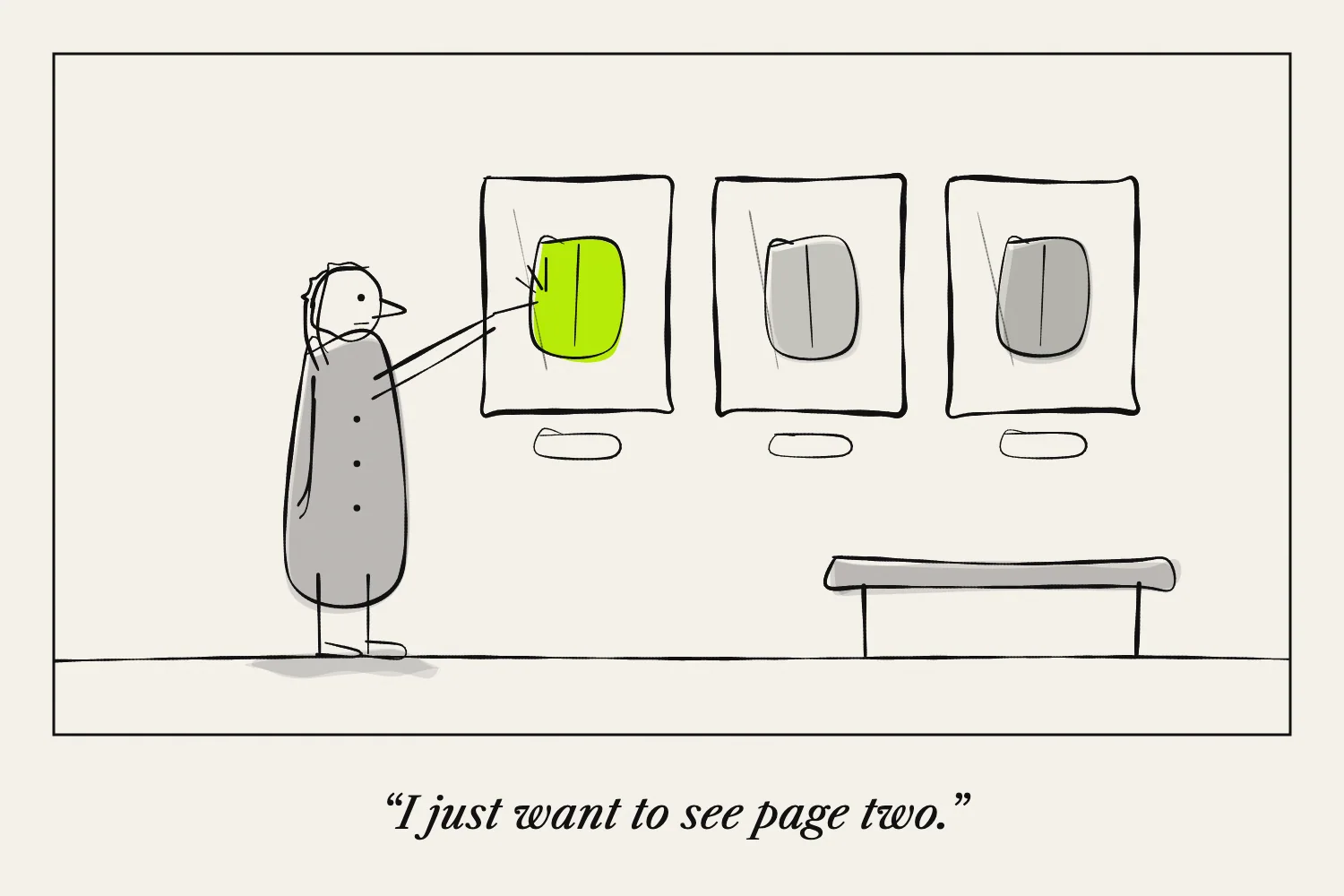
An exhibition can bring zines into view alongside the photographs, drawings and other work connected with them. It can also make relationships easier to see: several makers responding to the same music scene, for example, or one artist returning to a publication across many years.
But a display is a selection. It tells a particular story through the items its organisers chose and could obtain.
A documented example
Copy Machine Manifestos: Artists Who Make Zines appeared at the Brooklyn Museum from November 17, 2023, to March 31, 2024. The museum's announcement describes a focus on artists in Canada, Mexico and the United States from the 1970s onward.
The exhibition then appeared at the Vancouver Art Gallery from May 12 to September 22, 2024. Both presentations are past events.
That geographic and historical scope matters. An exhibition about North American artists is not a complete account of every place or community where zines have been made. Read the introductory text for the boundaries of the story before treating its examples as a universal timeline.
Look at how the publication works
Start with the object. How large is it? Is it folded, stapled or bound another way? Can you see handwriting, photocopied images or changes in paper?
Then look for evidence of circulation. A price, postal address, subscription notice or invitation to contribute can explain how the maker expected the zine to reach people. Those details connect the artwork to the practical work of publishing.
A cover alone cannot answer every question. If the exhibition provides reading copies, page reproductions or a digital display, use them to see how the sequence develops.
Notice what the display makes possible
A protected original may let visitors see a fragile object that could not withstand constant handling. A reading copy gives a different kind of access: the chance to turn pages and discover their order.
Look for both, without assuming that every item can be touched. Follow the gallery's instructions and ask if the distinction is unclear.
An exhibition catalogue or recorded talk can remain useful after the show closes. Check whether it documents the displayed works, offers new essays or serves mainly as a short visitor guide.
Keep following the publications
Write down a few titles and makers that interest you. Search library catalogues or the creators' own sites to find more of their work.
That turns an exhibition from a single visit into a route toward further reading. Zine Libraries explains how to continue that search.