How Science-Fiction Fans Built Fanzine Culture
Readers turned a shared interest into publications, correspondence and lasting communities.
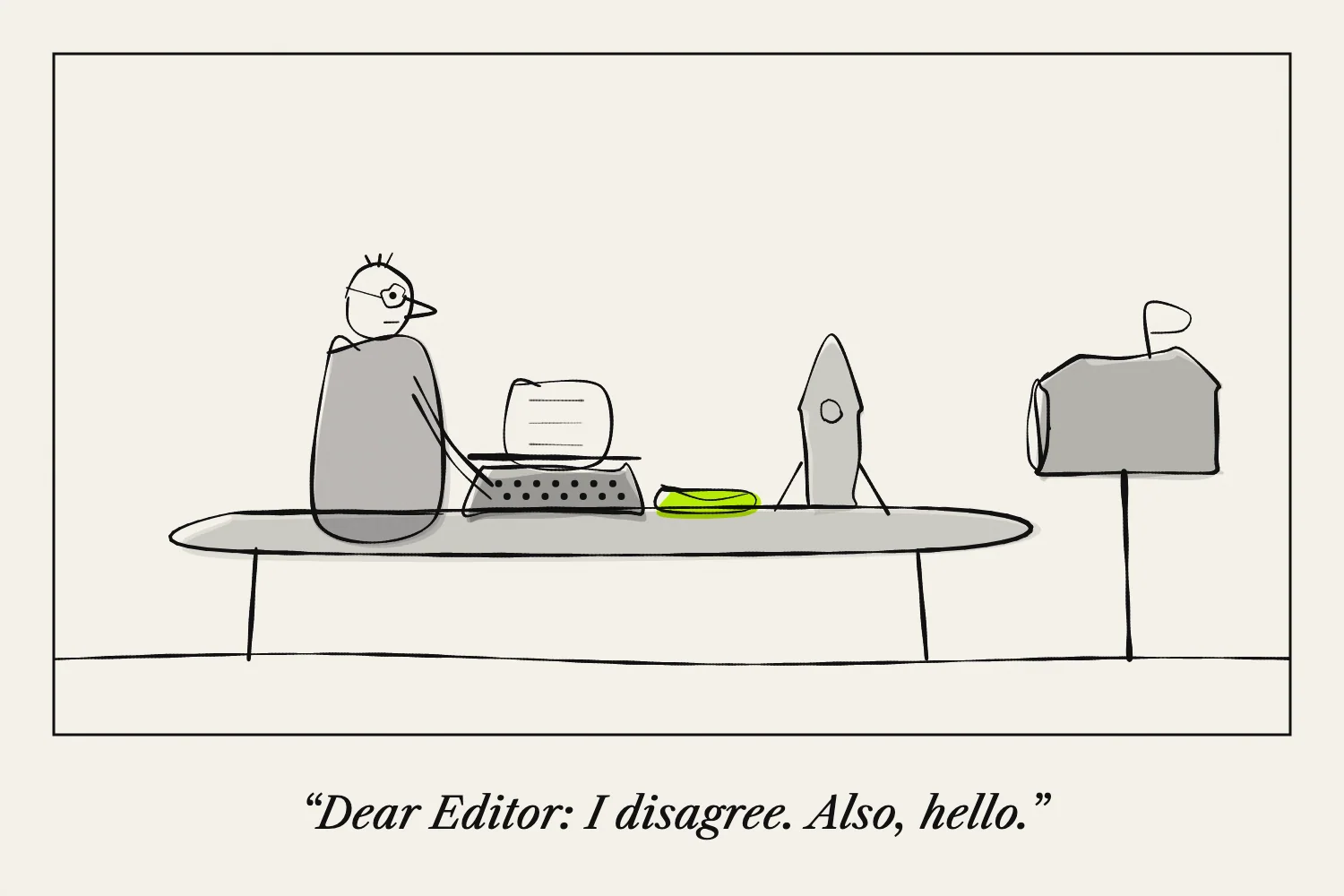
A story ends, but a reader's interest does not necessarily end with it. They may want to discuss an idea, disagree with the author or find more work like it.
For early science-fiction fans, making their own publications was one way to keep that conversation going. The result was a culture in which reading, writing, editing and corresponding could overlap.
From the letters section to a group of readers
Commercial magazines had editors who selected the stories and the letters that appeared. A reader could send a response, but the magazine still controlled how much space the discussion received.
Allen Glasser recalled that reading Amazing Stories led him to write letters, criticise stories and correspond with other fans. Another magazine, Science Wonder Stories, helped him meet readers in New York. His history of the Scienceers describes a local group meeting regularly and eventually producing its own paper.
A shared interest had become a practical relationship: people could meet, exchange work and decide what to publish together.
Making a publication meant sharing the work
Writing was only one part of the process. Someone had to prepare pages, make copies and get them to readers.
A mimeograph was a copying machine that pushed ink through a prepared stencil. It allowed the same page to be reproduced repeatedly without setting it up as a new document each time. Early fan publishers used this and other printing methods; the University of Iowa's collection history describes fanzines circulating by mail and at conventions.
The practical work helped shape the community. A publication needed more than a solitary author, and a reader could contribute in ways other than writing a story.
A publication could create another conversation
Consider what changes when a group prints its own reviews. Readers can respond to the reviewers, suggest another subject or offer a piece for a future issue. Each publication creates a reason for another exchange.
This is a useful way to understand fan publishing: the printed object matters, but so do the relationships around it.
The FANAC fanzine archive preserves a large body of that work. Looking across titles reveals why “fanzine culture” means more than a single magazine or club.
Why “invented” needs care
Science-fiction fans helped establish an influential publishing tradition. That does not mean they invented every form of independent print, or that all later zines descend from one group.
Their particular contribution was to make shared enthusiasm into an ongoing publishing practice. You could be a reader of commercial fiction and, at the same time, an editor or contributor in a community of your own.
Read next: The Story of The Comet.