How to Make a Perzine
Turn an experience from your life into a readable zine while choosing what you want to share.
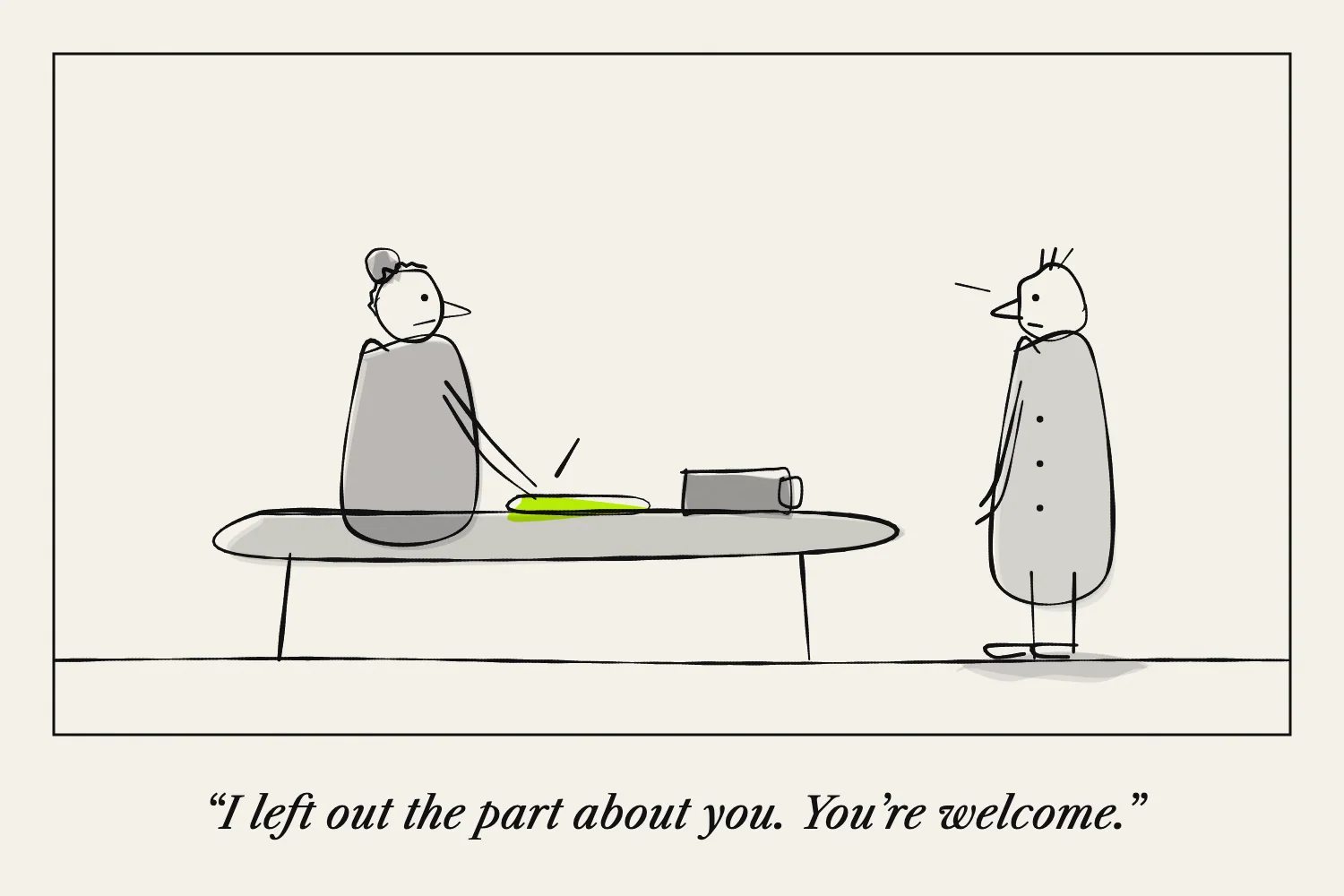
A perzine is a personal zine: a publication centred on its maker's life, thoughts or experiences. It can cover an ordinary day, a long period of change or one event. Barnard's zine genres guide includes both ongoing personal zines and single issues.
You do not need an extraordinary life story. You need a part of your experience that you want to shape for a reader.
Choose one piece of the story
Start with a manageable frame: a week in a new home, learning a skill, a friendship, or an object you keep returning to.
Write freely at first. Then mark the details that feel specific to this experience. What did the room look like? What did you expect? What did you understand differently afterwards?
Choose a starting point that gives the reader enough context without retelling everything that happened beforehand.
Find an order the reader can follow
Time order is one option: before, during and after. Another is to arrange the zine around objects, places or recurring questions.
If you move between different periods, tell the reader when the shift happens. “Three years earlier” is a small piece of information that can prevent a lot of confusion.
Use pictures where they add to the account. A drawing of a room may explain your surroundings more clearly than a paragraph describing every piece of furniture.
Separate memory from certainty
Personal writing can acknowledge uncertainty. If you remember the feeling of a conversation but not the exact words, describe it rather than presenting invented dialogue as a quotation.
If you include facts about a place or event, check them. Your experience gives you authority to describe what you felt and observed; it does not make every surrounding detail accurate automatically.
A small note about sources or changed identifying details can help readers understand the kind of account they are reading.
Choose your boundaries
Drafting something does not commit you to publishing it. Read the work again with its likely audience in mind.
Consider whether someone else is identifiable, whether you have included their private information, and whether you want the story associated with your public name. Discuss shared photographs or sensitive accounts with the people involved where appropriate.
You can remove a detail without weakening the central story. You can also keep a piece for yourself.
Make room for an ending
An ending does not have to solve the experience. It can say what remains unclear, return to an opening image, or explain where you are now.
Print a complete proof and read it as a sequence. If the reader needs to know something on page two, do not make them wait until page six to learn it.
For a clearer sense of the form, read What Is a Perzine?.