Zines and DIY Culture: Making Your Own Decisions
Understand do-it-yourself publishing without assuming that a zine has to look unfinished.
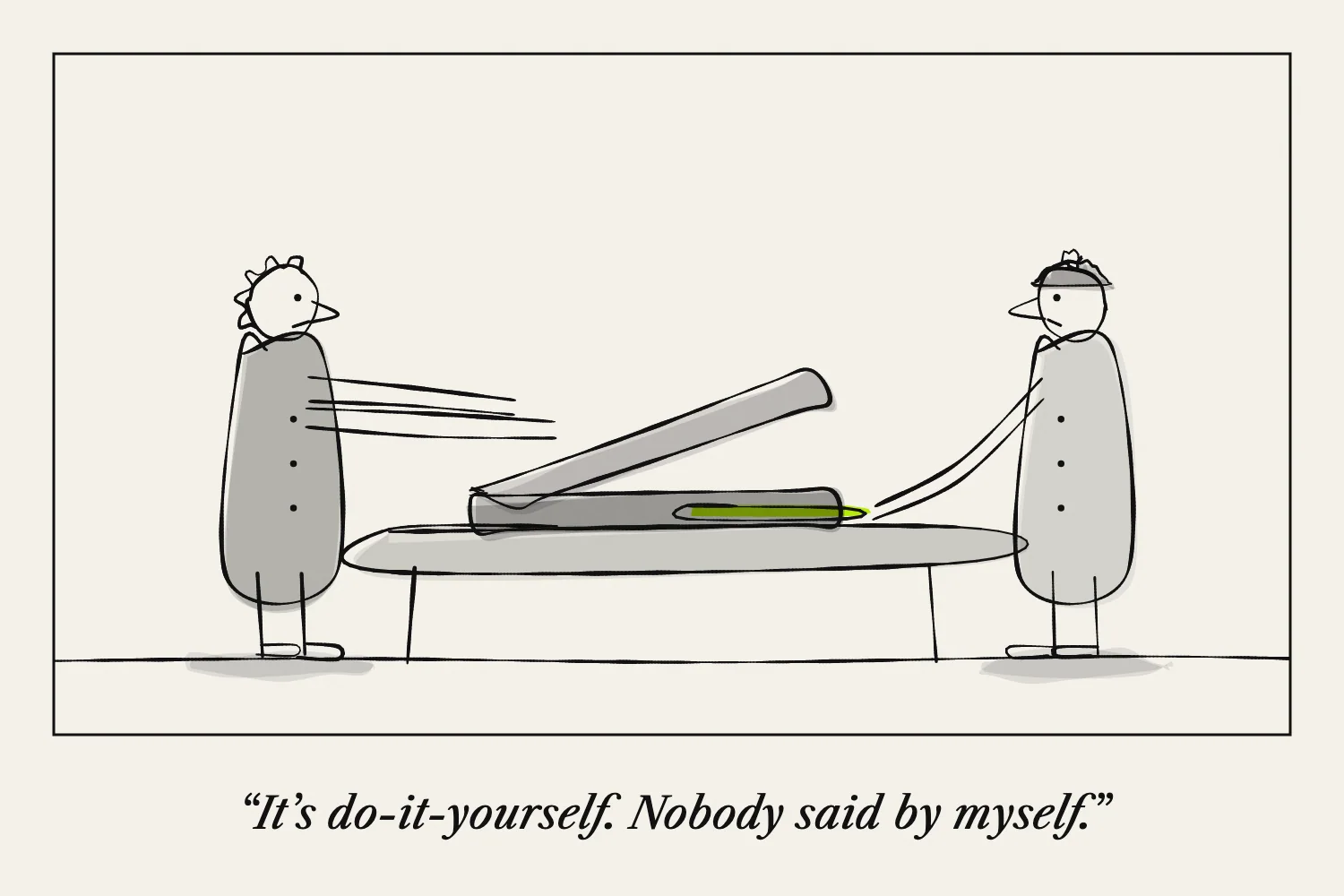
DIY means “do it yourself.” In publishing, it can mean choosing the subject, making the work and finding a way to share it without waiting for an established publisher to take it on.
Barnard places zines within DIY self-publishing culture. That is a connection to how and why the work is made, not a requirement that every page look rough.
Doing it yourself can include other people
A maker can ask a friend to proofread, work with contributors or pay a print shop to produce copies. Those choices do not necessarily give away editorial control.
The useful question is who decides what the publication should be. A collaborative zine may share those decisions among several people.
If you work together, agree on responsibilities early. Who edits? Who pays? Who keeps the print files? How will everyone be credited?
Why unfinished-looking work can feel approachable
A page with visible handwriting or pasted edges shows some of the process behind it. A reader may find it easier to imagine making something similar.
That is one possible response, not a universal rule. A neat typeset zine can also be inviting, and a rough layout can still be difficult to read.
Choose the appearance that serves the work rather than adding artificial mistakes to signal authenticity.
Freedom includes deciding what to improve
You can care about clear sentences, accurate information and sturdy binding while making a DIY publication.
A misspelled person's name or an unreadable instruction is worth correcting. An uneven hand-drawn border may be exactly what you want.
Distinguish between a quality you chose and a problem that prevents the reader from understanding the piece.
Work within a real limit
DIY projects often involve practical decisions about money, tools and time. Instead of treating those limits as failure, make them part of the plan.
You might use one ink colour, a single sheet or material already in your notebook. These constraints can help you finish a coherent issue.
They are options, not proof of greater commitment. Someone using professional printing equipment can still make personally directed work.
Make participation clear
If you want a zine to invite responses, tell readers how. You could ask for letters, suggest a trade or explain a contribution theme.
A contact method and a clear invitation do more than a vague statement about community.
Begin with a publication you can finish and share responsibly. Your methods can become more elaborate as the project needs them.
Next: How to Make Your First Zine.