What Is a Fanzine?
A publication made by fans can be a place for criticism, research, stories and conversation.
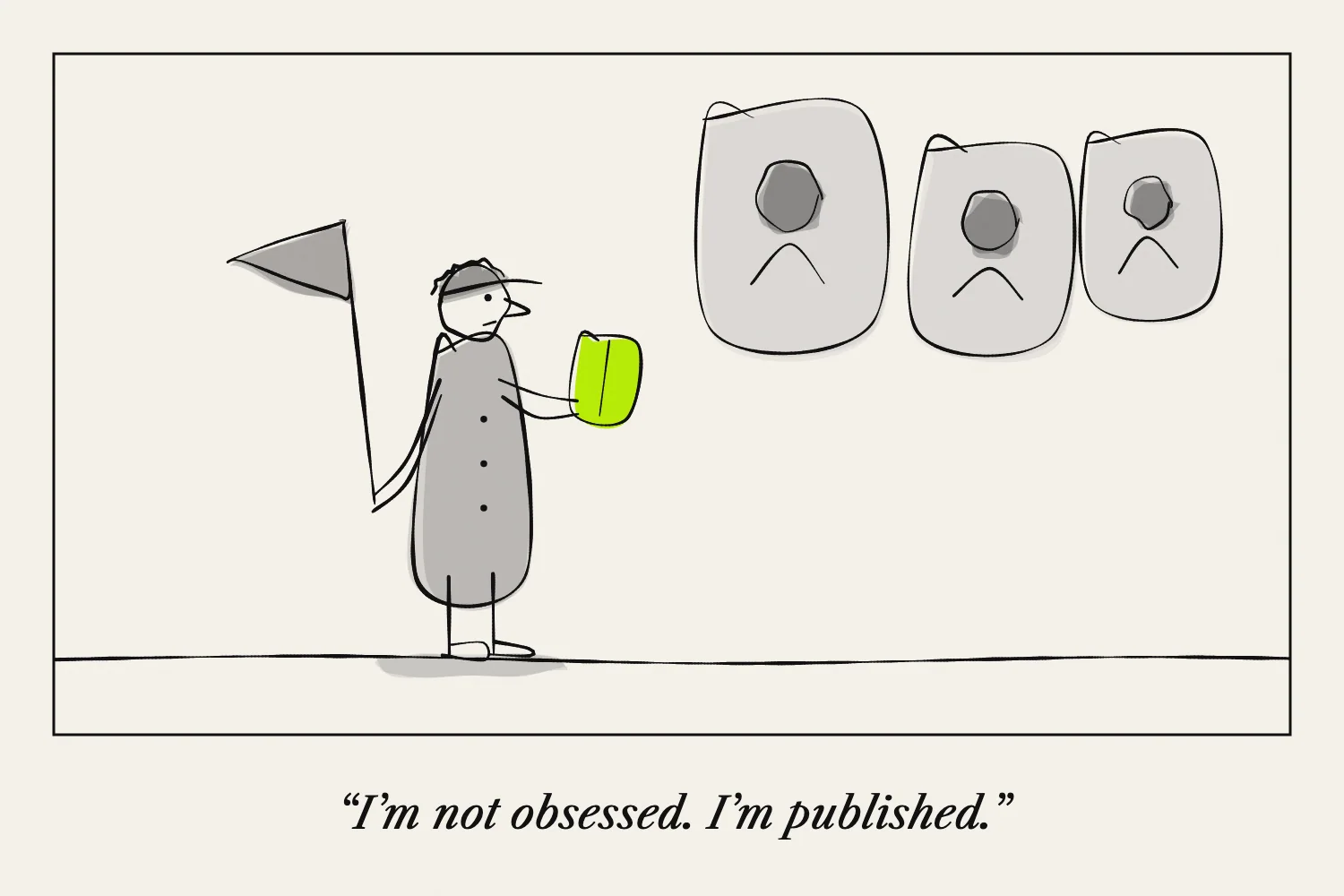
A fanzine is a magazine made by fans about something they care about. It might focus on a television programme, a music scene, comics, games or another shared interest.
The word combines fan and magazine. It describes the relationship between the makers and their subject, rather than one particular page size or design.
What goes inside
A fanzine can contain reviews, essays, interviews, drawings, news or fiction. Some issues collect work from several contributors; others are made by one person.
A fan's writing does not have to be uncritical. Someone who cares deeply about a subject may want to examine its weaknesses, argue about a decision or compare different interpretations.
The common thread is that the interest helps bring makers and readers together. Barnard describes that impulse in its guide to fanzines.
How it differs from official publicity
An official programme or promotional magazine speaks on behalf of a production, performer or organisation. A fanzine generally presents fans' own work and views.
That independence matters when you read it. A review records the writer's judgement. A theory about a character is an interpretation. A report about a release date still needs a reliable source.
Good fan publishing can make those distinctions clear without losing its enthusiasm.
Why print mattered
Before online fan communities, printed publications gave fans somewhere to share work over distance. Copies could travel through the post or be exchanged at gatherings.
FANAC's archive introduction describes fanzines as a longstanding means of communication among science-fiction fans. The archive preserves the publications themselves, making it possible to see how those exchanges appeared on the page.
A fanzine was therefore both something to read and a way to learn that other people shared an interest.
What makes a useful first issue
Choose a smaller angle than the whole subject. Instead of trying to cover an entire band, you could examine one album or invite several short accounts of a particular concert.
Tell readers how much prior knowledge you expect. Explain unfamiliar names if the issue is meant as an introduction.
Keep factual claims separate from opinions and invented stories. Credit contributors and sources. If you want readers to reply, include a contact method and a clear invitation.
You can make one issue without committing to an ongoing magazine.
Next: How to Make a Fanzine.