How to Make a Zine When You Can't Draw
Use writing, photographs, type and simple arrangements to make pages without illustration skills.
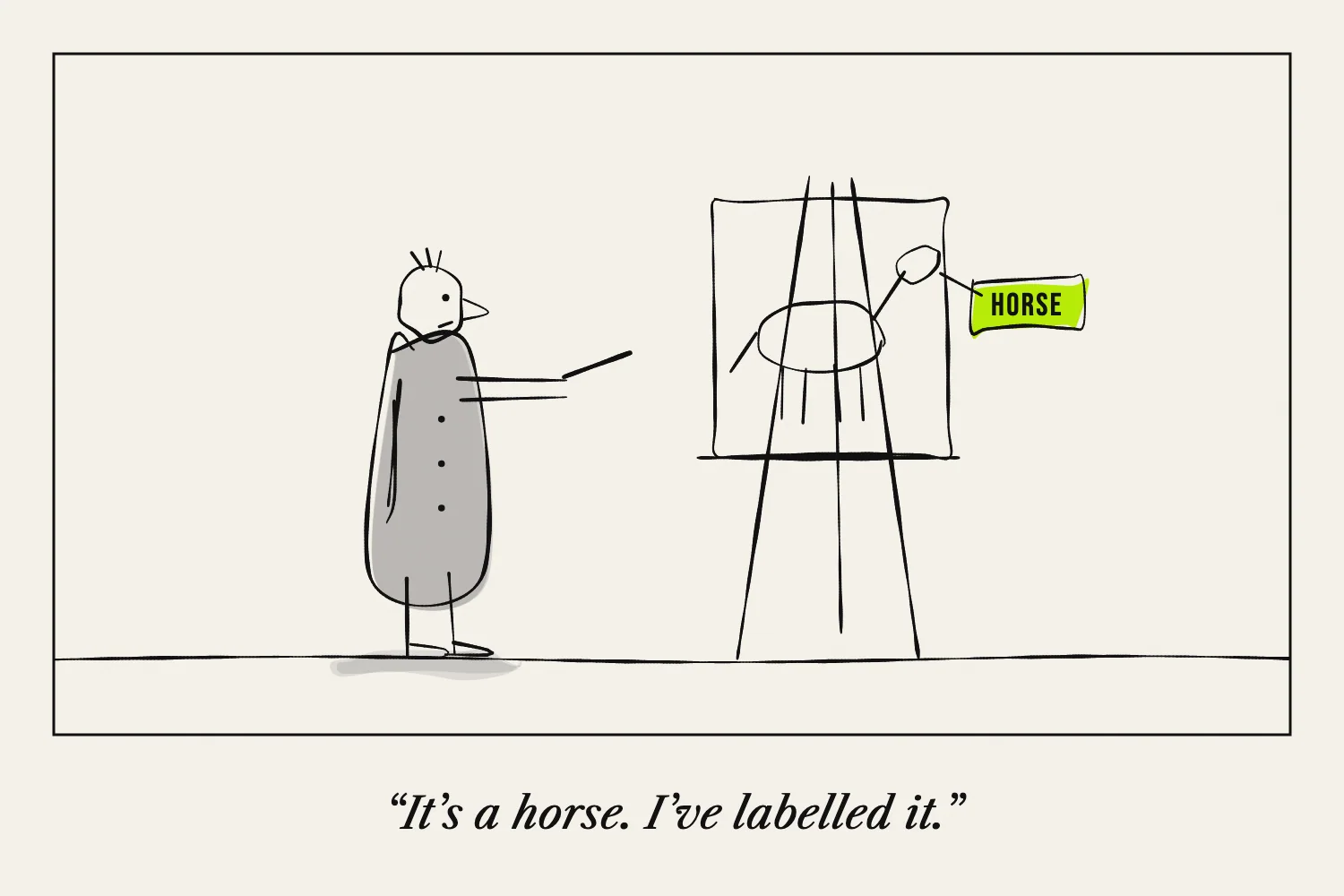
Drawing is one way to make a zine. You can also build one from words, photographs, lists, diagrams or pieces of paper.
Begin with the form you can already use. If you enjoy explaining things in messages, try short written pieces. If you take photographs, start by choosing a sequence. The zine does not need illustrations added simply to make it look complete.
Make a text-led zine
Choose a short essay, several observations, a set of questions or a collection of lists.
Give the text a clear order and enough space. A heading can introduce a new idea; a blank line can separate paragraphs. Consistent placement helps a reader follow the pages without elaborate decoration.
Try one page first and print it at the final size. If the writing is difficult to read, change the layout or shorten it before adding more material.
Use photographs you already have
Look for pictures with a shared subject. They might show a walk, things on your desk or changes to the same room.
A photograph does not need to explain everything. Captions can provide a date, identify an object or say why you included it.
Use the original files where possible. A photo that looks clear on a small phone preview may not have enough detail for a full printed page.
Let arrangement become the visual element
You can make a page interesting through spacing, scale and repetition. Put one large word beside a small paragraph. Repeat a simple border. Arrange a list so its order is easy to follow.
Choose one or two approaches and repeat them deliberately. Changing the layout on every page can create more decisions than the project needs.
For a visual example you can make yourself, photograph the same object from six angles and give each image one page.
Use simple marks when they help
Arrows, boxes, lines and dots can explain a process without realistic drawing. A map can show a route using labelled shapes. A comic can use stick figures if expressions and actions remain clear.
You can also leave those elements out. The question is whether a mark helps communicate something.
Collaborate without hiding the work
If someone contributes illustrations or photographs, agree on the intended use and credit them. Tell them the page size and deadline before they begin.
For existing material, use work whose reproduction terms you have checked. Searching for “free images” is only the beginning of that check.
Make one complete copy and read it through. If the idea is clear and the pages work together, drawing ability has not prevented you from making a zine.
Next: What to Put in a Zine.