How Rock Fans Turned Zines Into Music Journalism
Fan publications made room for research, strong opinions and music outside the usual coverage.
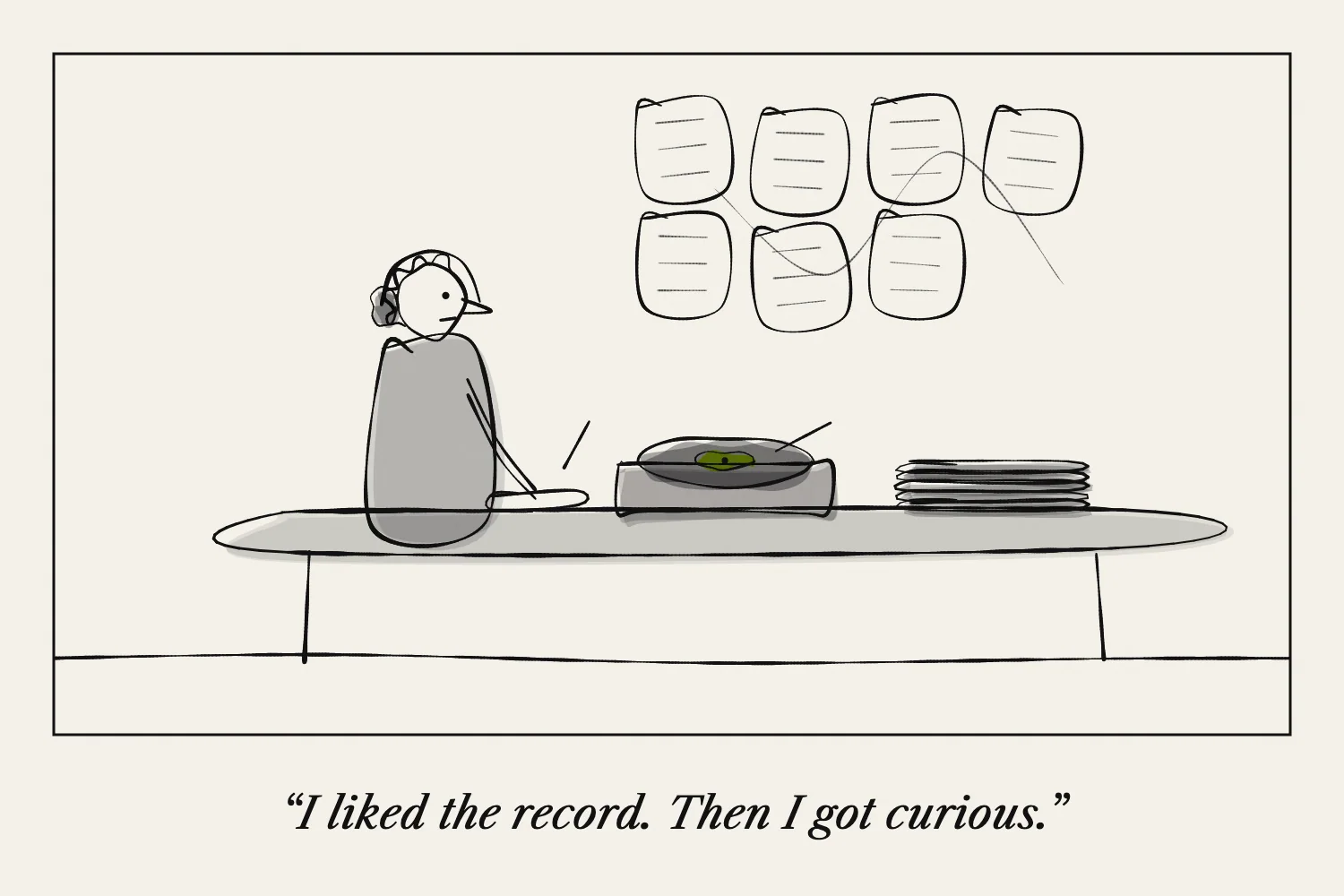
Liking a record can lead to more than recommending it. A listener might investigate who played on it, compare it with an earlier release or ask why it has been overlooked.
Music fanzines gave that curiosity a place to develop. They allowed fans to choose their own subjects and explain their own standards for judging music.
Greg Shaw's publishing offers one example of how that worked.
Writing from inside an interest
In his recollection of Bomp's beginnings, Shaw described helping Dave Harris start Mojo-Navigator Rock & Roll News in San Francisco in 1966. Later, he made Who Put the Bomp as a more personal alternative to the established music press.
His account describes a publication concerned with music history and the tastes of committed listeners. It is also openly personal: Shaw was explaining a project he had helped build, not giving a neutral survey of every music publication.
That perspective is part of what makes the source useful. It tells us what an editor thought his publication was for.
The fan's attention could become expertise
A discography is a list of recordings, usually organised by artist, label or date. Compiling one requires identifying releases and distinguishing versions.
Alongside reviews and opinions, this kind of research helps readers navigate a subject. Someone unfamiliar with a band can learn where to begin; someone already interested can discover a release they missed.
RILM's archive description of Bomp records its development from a short mimeographed publication into a magazine with contributors including Lester Bangs and Greil Marcus. It ran from 1970 to 1979.
Its coverage helped connect interest in earlier rock with the emerging music around it. The value was partly in the editor's choices: what belonged beside what, and what deserved another listen.
Enthusiasm and journalism have different jobs
Being a fan gives a writer a reason to pay attention. It does not make every claim accurate.
A useful review explains its judgement. A useful interview makes clear who said what. A useful historical piece distinguishes documented details from memories and speculation.
These are practical standards a small publication can follow without losing its voice. Strong feeling and careful reporting can work together.
A publication can help make a scene
A review places a recording before readers. An interview gives musicians a chance to explain themselves. A shared argument gives listeners something to discuss.
Taken together, those activities can help people recognise a musical community. A zine does not merely announce that a scene exists; its contributors participate in the conversations that give the scene meaning.
For someone writing a music zine now, one carefully explained enthusiasm is a useful starting point. Tell the reader what to listen for and why you noticed it.
Read next: How Zines Spread Music Before the Internet.