A History of Zine Distros
Distributors helped small publications reach readers beyond a maker's immediate circle.
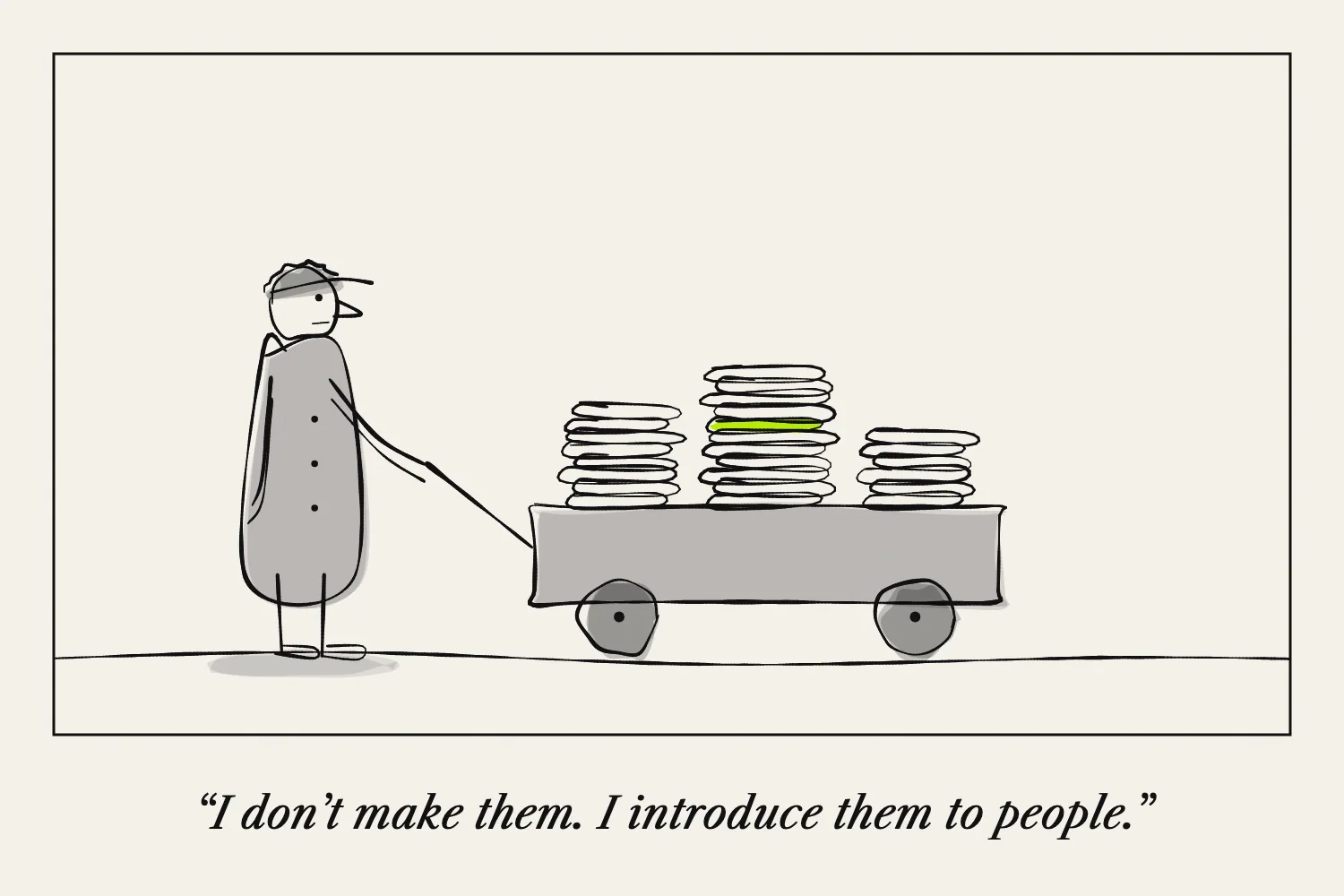
A zine can be easy to make and difficult to find. If each title is produced by a different person, readers need a way to discover those people and obtain their work.
A distro—short for distributor—addresses that problem by bringing publications together. Its history is closely connected to the practical work of circulation.
Discovery and distribution are related jobs
A review magazine can tell you a title exists. A distributor can make a copy available.
The two functions may overlap, but they are not identical. A catalogue needs descriptions, prices and an ordering process. A review publication can discuss work it does not stock.
Keeping that distinction clear helps explain why a network needs more than writers and printers. It also needs people who organise access to the finished work.
One example from the 1990s
Microcosm's own history dates its beginning to 1996, when Joe Biel ran a distro and record label from a closet in Cleveland.
The project later developed into a publishing and distribution business. This is one documented path from a small operation to a larger organisation, not a template for every distro.
It also shows the difference between publishing and distribution. A publisher helps produce a title; a distributor helps move titles to readers or shops. One organisation can do both.
Distribution can be part of a local space
Wasted Ink Zine Distro identifies 2015 as its beginning. Its Phoenix operation brings together selling, a library, printing and workshops.
That combination makes a distro more than a stockroom. Someone can encounter zines there as a reader and also learn how to make or circulate their own.
Different activities can support one another without being interchangeable. A library copy is for reading under the library's rules; a shop copy is for sale.
The internet changed the ordering process
An online catalogue can show readers work before they order and make updates easier to distribute.
The physical tasks remain. Someone still needs to receive copies, store them, maintain accurate stock information and pack orders.
That continuity is easy to overlook. A website can make a distro more visible, but it does not perform all the work behind it.
Why the model matters
For readers, a distro offers a selection they might not discover title by title. For makers, it can provide access to an established audience.
The arrangement still needs to work for both sides. Read how copies are purchased, how makers are paid and how restocking happens.
The history of distros is a history of people making small publications easier to encounter—not simply a history of online shops.
Next: Where to Buy Zines Online.