The People Behind Important Zines
Editing, design, correspondence and practical organisation all help a publication exist.
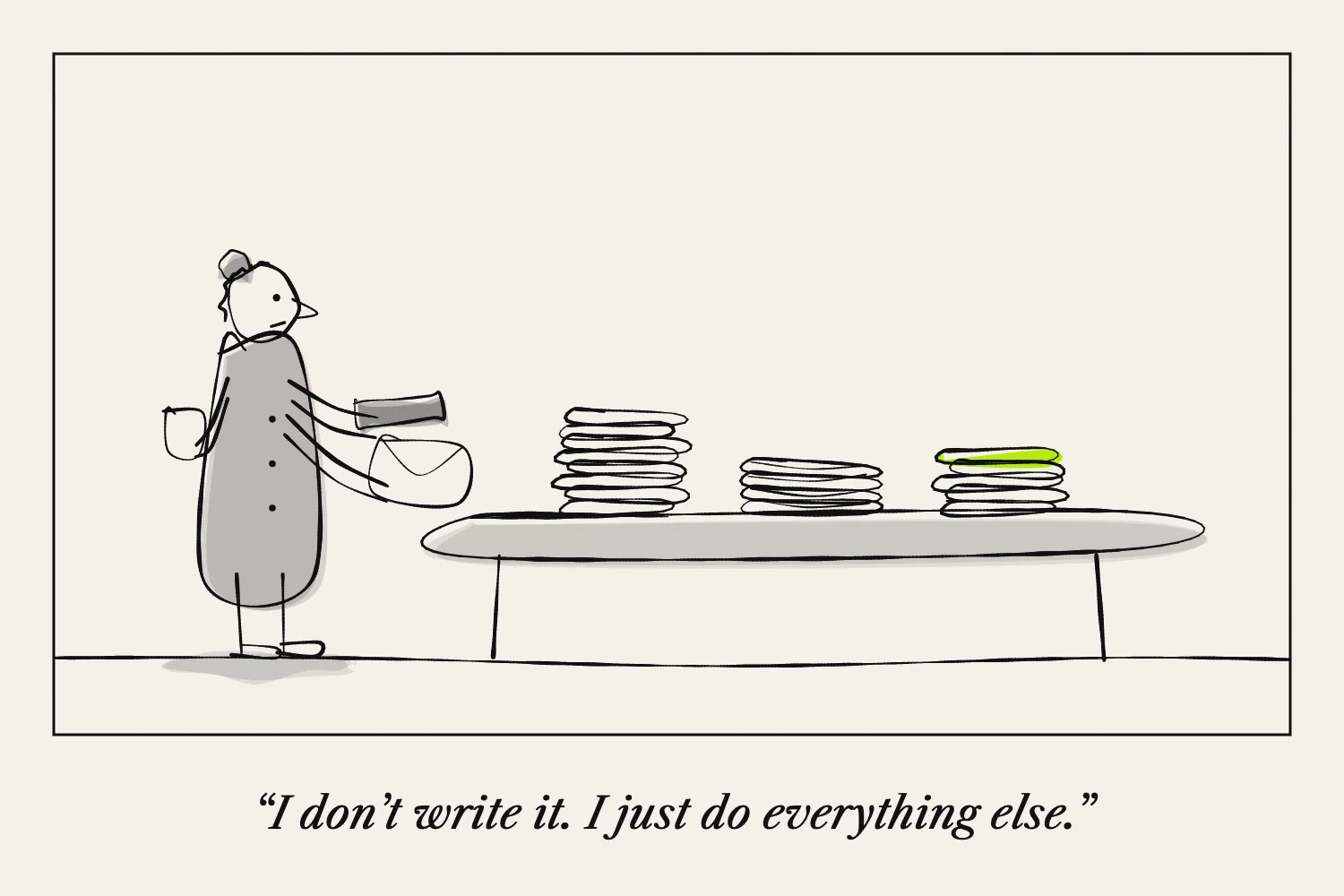
A zine's title can become better known than the work required to produce it.
Looking at the people behind publications makes that work visible. It also helps correct the habit of attributing a collaborative project to one memorable name.
The examples below highlight different roles rather than offering a ranking.
Devra Langsam and Sherna Comerford: making room for fans
Langsam and Comerford edited Spockanalia. The official Star Trek account identifies their role in a publication that brought fan work and correspondence together.
An editor's contribution includes choosing and organising material. The issue needs to make sense as a whole, even when its contributors use different forms and voices.
Janice Bogstad and Jeanne Gomoll: text and visual work
The Janus archive describes Bogstad's focus on text and Gomoll's work on layout and graphics within their editorial partnership.
That division makes an easily overlooked point: design is not simply decoration added after writing. It determines how the reader encounters the writing and how contributions share the space.
The archive also records later editors, showing that a publication's working relationships can change.
Ramdasha Bikceem: making and keeping material
NYU's Ramdasha Bikceem collection includes material related to Bikceem's own zine, GUNK, alongside other punk and riot grrrl publications.
A maker can also be a reader and collector. Keeping other people's work preserves a record of the conversations and interests around their own publication.
That record can help later readers see a community rather than an isolated object.
G.B. Jones and Bruce LaBruce: a shared publication
Alternative Toronto identifies Jones and LaBruce as the editors of J.D.s and separately credits Jones's cover work.
Precise credits allow us to recognise collaboration without making every contribution anonymous or assuming both people performed the same tasks.
Why the ordinary jobs matter
A publication also needs copies made, supplies obtained and orders completed. Those jobs may be done by the editor or shared among others.
When researching a zine, look for acknowledgements and correspondence as well as the main byline. They can reveal who helped the work reach readers.
When making your own, agree on credits before the issue is finished. Name the contributions accurately and use the names people want published.
The aim is not to inflate every role. It is to leave a clear record of who did the work.
Next: How to Make a Zine.