How Feminist Zines Changed DIY Publishing
Feminist publishers used zines to question who gets heard, what counts as knowledge and whose experience is missing.
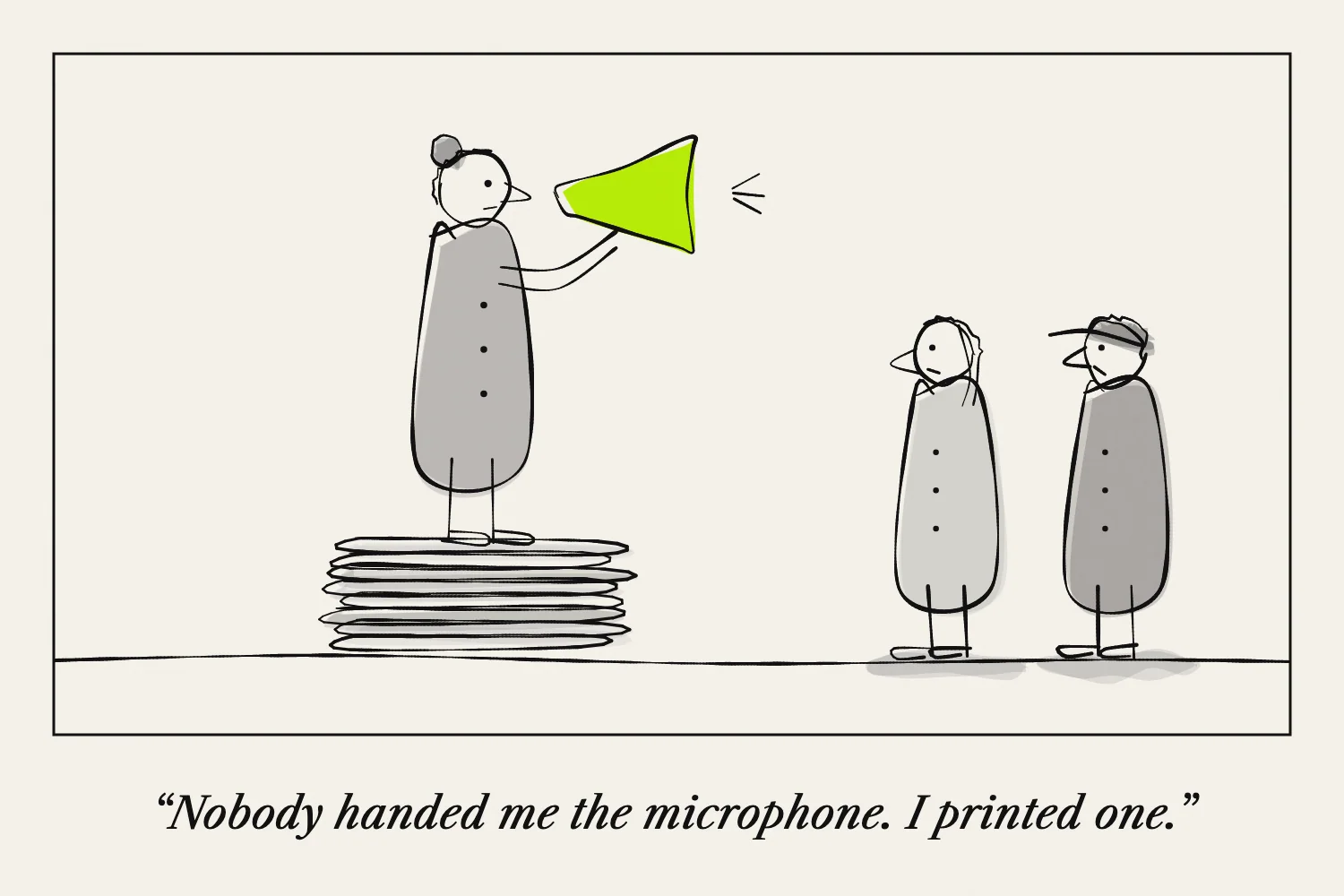
A feminist zine does not have to follow one format. It can discuss fiction, describe an experience, criticise an advertisement or bring several people's work together.
What connects those approaches is attention to power: who gets to speak, how gender shapes an experience and which assumptions deserve to be challenged.
The history reaches beyond one decade or music scene.
Feminist discussion within science fiction
Janus began in 1975. Janice Bogstad developed the publication, while Jeanne Gomoll contributed artwork and became a co-editor. Their work brought feminist discussion into a science-fiction fanzine.
The SF3 archive records the publication's later continuation as Aurora, retaining its issue numbering. Its history also describes editorial changes and the practical demands of organising WisCon, a feminist science-fiction convention.
This example matters because feminist publishing did not only create a separate space outside existing interests. It also asked people to reconsider the interests and communities they already shared.
A publication could choose a different centre
An editor decides which subjects deserve room. That power can be used to treat personal experience as something worth examining rather than something too small for publication.
For a reader, the question becomes more specific than “Is this important?” Important to whom? What becomes visible when the person affected writes the account?
A zine can place a first-person piece beside criticism, artwork or another contributor's response. The arrangement allows a personal account to enter a larger conversation without pretending it speaks for everyone.
Feminism itself could be questioned
Mimi Thi Nguyen's publishing addresses racism within punk and riot grrrl. NYU's account of her work and collection shows why feminist zine history needs to include criticism of feminist communities themselves.
A shared label does not guarantee shared circumstances. Race, class, sexuality and other differences can affect who feels included and whose concerns set the agenda.
Publishing a disagreement creates a record of that tension. Later readers can see that the movement was being debated while it developed.
Criticism could reach everyday media
Bitch began in 1996 as a feminist publication about popular culture. Its founders applied feminist questions to material encountered in ordinary life, rather than reserving that analysis for academic discussion.
The New Yorker's retrospective describes that editorial purpose. The important move was to take familiar entertainment seriously enough to examine what it assumed about women and gender.
What changed in the publishing relationship
These examples widened both the subjects of independent publishing and the questions readers could ask of it.
Who selected the work? Who could afford to participate? Which experience was treated as normal? Could a reader answer back?
Those questions remain useful when making a collaborative zine. An invitation to contribute becomes more meaningful when the editor also explains how decisions will be made and how contributors will be credited.
Read next: What Is a Perzine?.