Why People Keep Making Zines
Print can feel newly appealing without having disappeared in the first place.
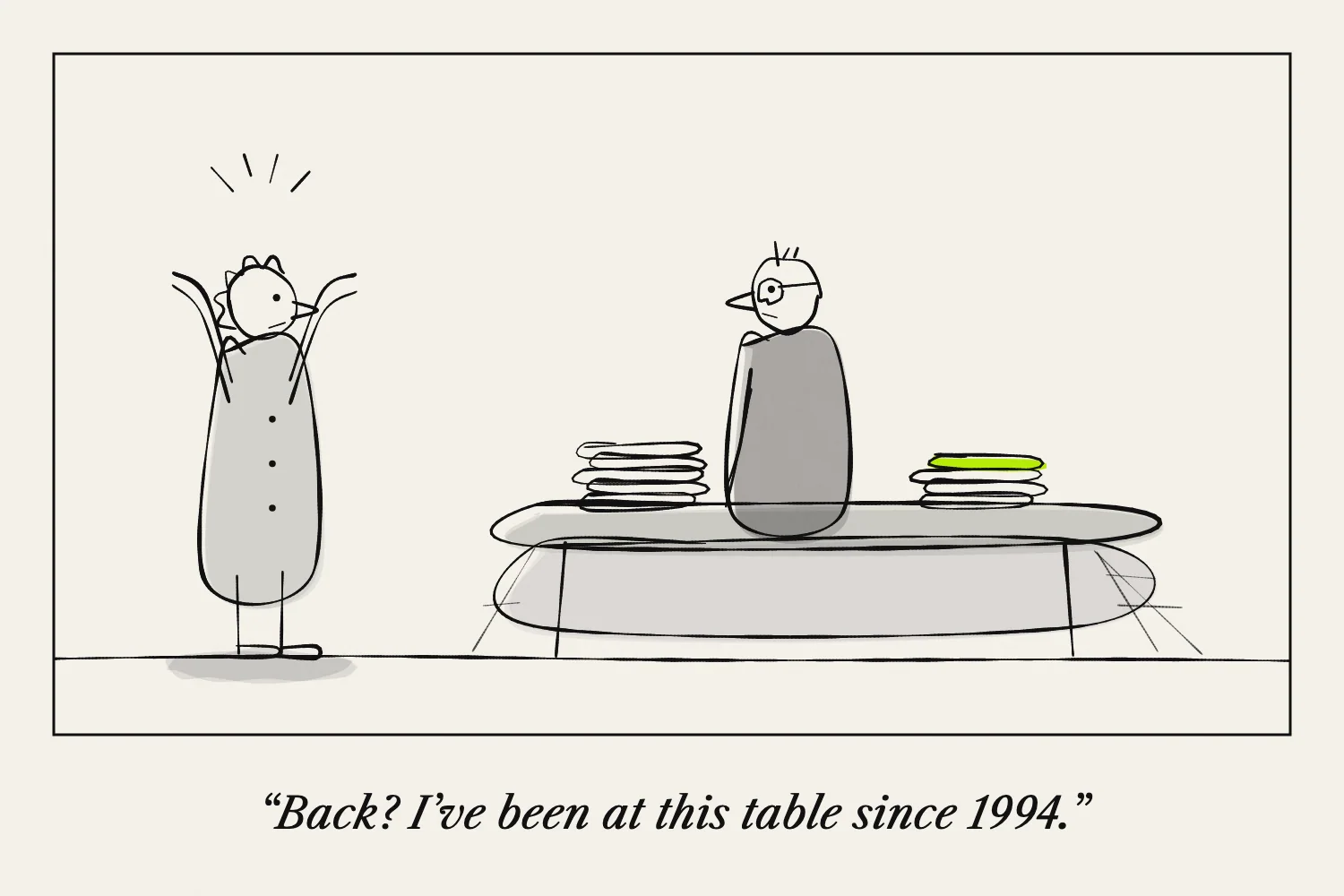
A person discovering zines for the first time may feel they have found something new. Someone who has been making them for years may experience the same moment as increased attention to work that never stopped.
That difference matters when we ask why zines “came back.” A revival story can overlook the people who kept printing, collecting and organising.
Continuing activity is easier to document than one comeback
The Portland Zine Symposium identifies its beginnings in 2001. The Toronto Zine Library's own history begins in 2006 and records later changes, including the start of its PaperJam fair in 2023.
These are specific examples of ongoing activity. They do not prove that zines have grown at the same rate everywhere.
To establish a worldwide rise or fall, we would need comparable evidence over time. A few busy events or media features cannot do that job by themselves.
The format still offers useful choices
A zine can give a project a clear boundary. You choose the pages, arrange the material and finish an issue.
That can appeal to someone whose work otherwise lives in an open-ended stream of posts. A sequence of pages allows a beginning, a development and an ending.
It is an editorial choice, not a claim that print is automatically more meaningful. A poorly edited booklet can be difficult to read, just as a thoughtful online work can reward close attention.
Physical exchange changes the encounter
Handing someone a publication creates a different interaction from sharing a link. The reader receives an object they can open, keep or pass on.
At a fair, the maker may be present to explain the work. In a library, the issue may sit beside other publications that give it a new context.
Those possibilities help explain the format's appeal without requiring a claim that everyone is tired of screens.
New attention can reveal older work
An exhibition, archive or recommendation can introduce someone to publications made decades earlier.
That encounter can feel like a new movement even when the objects themselves are old. It can also encourage new work: a reader discovers that a particular format or subject is possible and tries something of their own.
For this reason, visibility and production should not be treated as the same thing. More people talking about zines does not necessarily tell us how many are being made.
A useful reason to make one
You do not need to participate in a revival to make a zine.
Make one because the format suits an idea: a series of photographs, a short account, a collection of drawings or something you want another person to hold.
Its value can be specific to those pages and those readers.
Read next: How to Make Your First Zine.