How Comics and Zines Grew Up Together
Fans published about comics, while artists used small publications to make comics of their own.
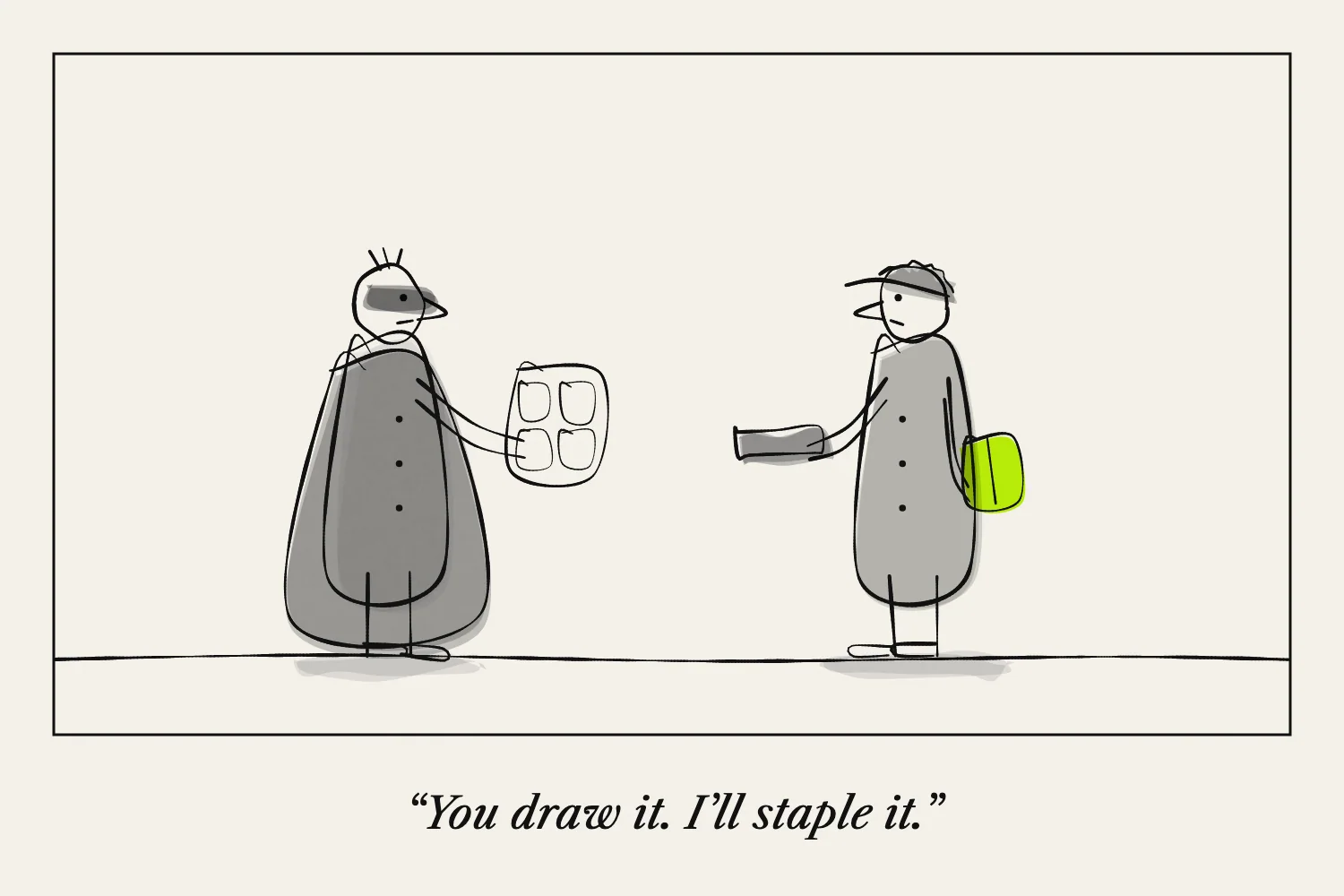
Comics and zines overlap in two different ways. A fanzine can discuss published comics, and a zine can contain original comics.
Keeping those activities separate helps explain their shared history. Writing about a favourite character is a form of criticism. Drawing a new story is a form of storytelling. The same person—or publication—can do both.
Fans began documenting the comics they loved
In March 1961, Jerry Bails sent out the first issue of Alter-Ego. Roy Thomas, its other contributor, later described its beginnings in an annotated retrospective published by TwoMorrows.
Thomas also acknowledged Xero, Dick and Pat Lupoff's earlier science-fiction fanzine, which included writing about old comics. That connection is useful: comics discussion did not need to wait for an entirely separate publishing world to appear. It could grow within an existing fan network.
A publication devoted to older comics gave readers a place to take material seriously that they might otherwise encounter only as entertainment.
Research became part of fandom
A fan can ask questions a publisher's current advertising does not answer. Who drew a story? Where did a character appear before? How did two editions differ?
The questions turn enthusiasm into research. A list of issues, an interview or a correction can help the next reader investigate further.
TwoMorrows' tribute to Jerry Bails connects his publishing work with his research into comics creators. It is a reminder that recording names and credits is a cultural contribution in its own right.
Making comics in a small publication
On the creative side, a self-published comic allows an artist to choose the length, subject and visual approach of a story.
A useful distinction is between the medium and the publishing arrangement. Comic describes storytelling through a sequence of images, often with words. Zine describes a kind of publication and its relationship to independent making. The labels answer different questions, so one object can fit both.
Small does not have to mean slight. A short comic can develop a complete event through the relationship between panels: what changes, what the reader must infer and when a page turn reveals something.
A continuing relationship
In its publisher history, TwoMorrows describes launching The Jack Kirby Collector in 1994 by mailing the first issue to 125 Kirby fans. The company later revived Alter Ego.
Those examples show different scales of publishing connected by a familiar impulse: someone cares enough about comics to assemble a publication and find other readers.
For a first comic zine, choose one event you can show clearly. For a first comics fanzine, choose one question you can investigate. Either gives the issue a purpose beyond simply collecting material.
Read next: How to Make a Zine When You Can't Draw.