How to Start Collecting Zines
Build a collection around work you want to read, and give yourself a simple way to keep track of it.
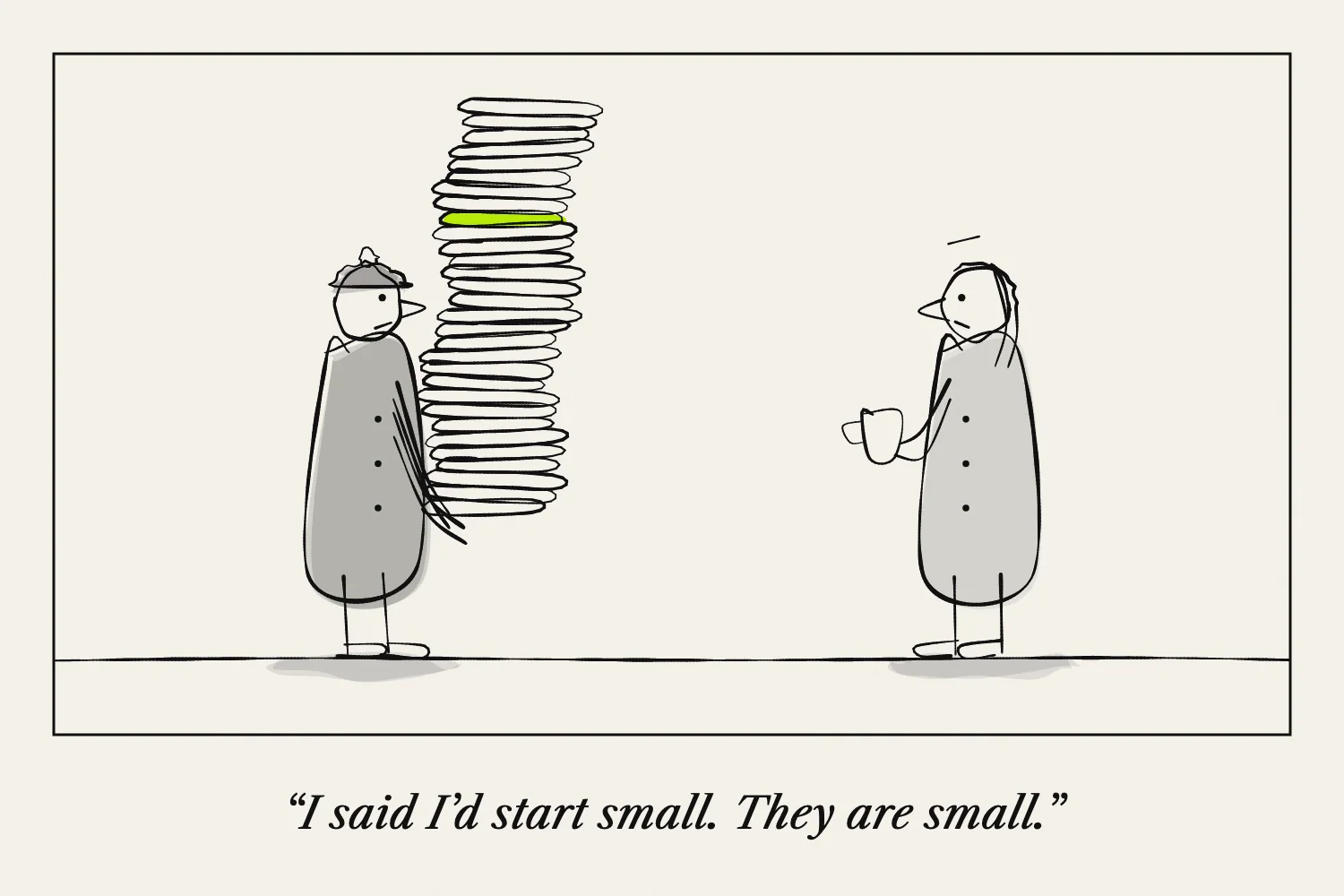
A zine collection can begin with two or three publications you want to return to. It does not need rare titles, a complete series or a large budget.
The most useful first decision is what you hope to get from it: reading pleasure, ideas for your own work, an interest in a subject or a record of a local scene.
Begin with a loose focus
Choose one or two interests rather than a rule you can never break.
You might collect photo zines, publications from your region or personal writing about work. A loose focus gives you a reason to look closely while leaving room for an unexpected discovery.
If you are unsure, browse a library first. Zine Libraries Worth Knowing About offers starting points with different kinds of collections.
Set a budget for the whole purchase
Include postage when deciding what you can spend. Several inexpensive items ordered separately may cost more to receive than you expect.
At a fair, consider making one pass before buying. Note the tables you want to return to, while recognising that a limited item may sell during that time.
You do not need to complete a set simply because the issue numbering reveals gaps. Read the copies you have before deciding whether the missing ones matter to you.
Record a few details immediately
Keep a notebook or spreadsheet with the title, maker, issue number and date, where those appear.
Add where you obtained it and a sentence about why you chose it. That personal note can be more useful later than a long description copied from the seller.
If a detail is absent, record it as unknown. Do not turn the purchase date into a publication date.
Make the collection easy to use
Give the zines a stable place and choose an order you understand: title, maker or broad subject.
Keep tiny publications from disappearing inside larger ones. Use labelled folders or a suitable box so you can find them again without emptying everything onto a table.
For care and materials, follow How to Store and Preserve Zines.
Let your interests change
After reading a few issues, notice what you actually return to. It may be the writing, a design approach or a connection to a particular place.
You can adjust the collection around that discovery. Keeping everything forever is not a requirement, but think before donating or selling work that includes private correspondence or material shared under specific expectations.
The Zine Librarians Code of Ethics offers useful questions about creators' wishes and access, even for readers outside institutions.
A collection should help you read and remember. Its size is secondary.