The Story of Sniffin' Glue
Mark Perry's short-lived publication became an influential record of British punk as it was happening.
In July 1976, Mark Perry saw the Ramones at London's Roundhouse and went home to make the first issue of Sniffin' Glue.
That is how Perry describes the beginning in his fiftieth-anniversary recollection. He was responding to an experience that made him want to participate, using a publication as the means.
The zine lasted about a year. Its importance is not a matter of longevity: it captured a moment while the people involved were still working out what it meant.
A fan could become an editor
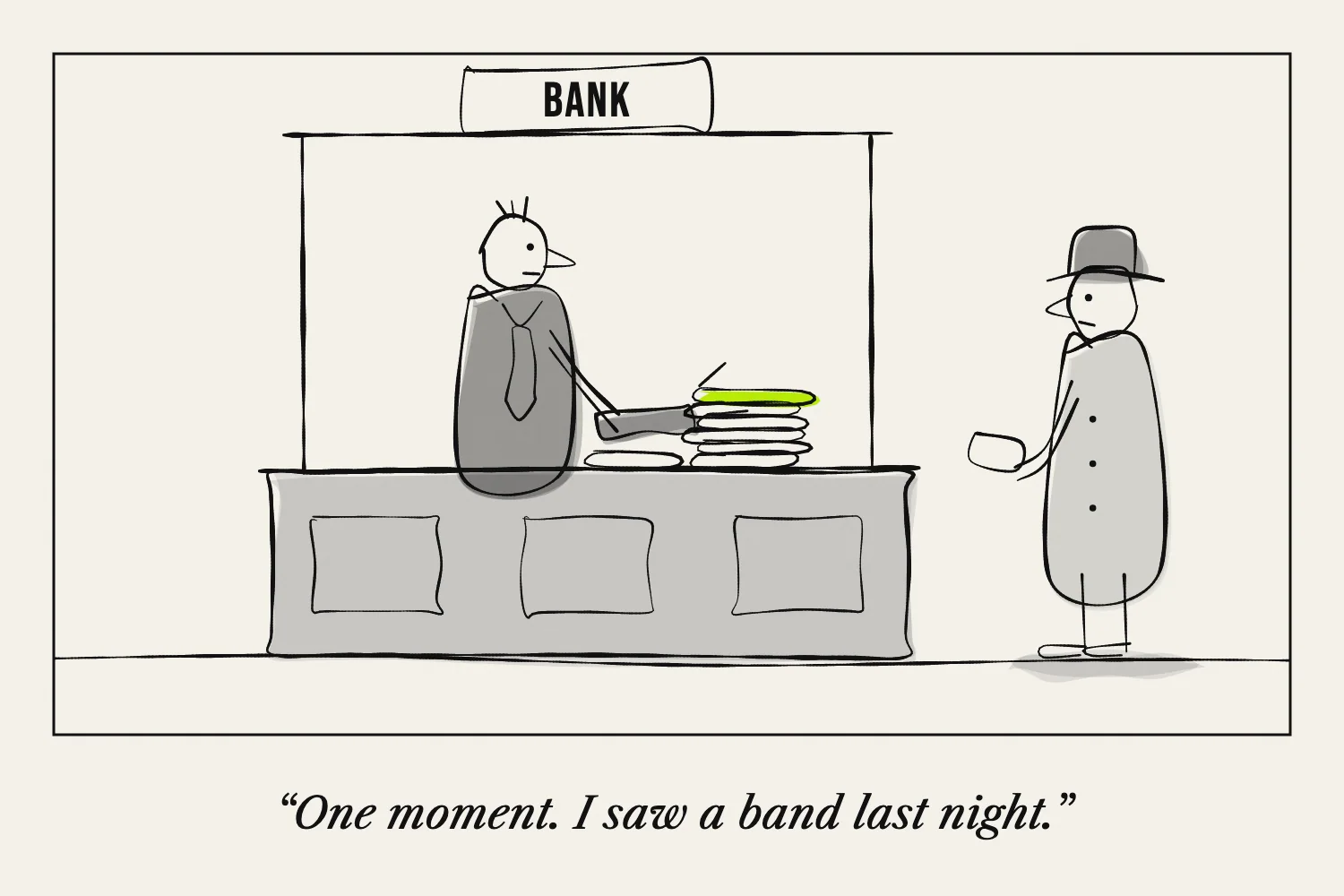
Perry was a bank clerk when he started the publication, according to its official history.
The change from reader to editor did not require leaving enthusiasm behind. It required making decisions: what deserved space, what to say about it and how to put an issue into readers' hands.
This is one reason the story remains useful to new zine makers. A publication can begin with a particular experience and a desire to answer it, rather than a fully developed career plan.
The pages recorded practical choices
Liverpool John Moores University's library describes a small Christmas issue from December 1976. It reviewed the year's important artists and used drawings by Zizz in place of photographs to save printing costs.
The library also credits Danny Baker and Steve Micalef with assisting Perry. Its account of that issue makes the publication look less like the work of a lone legendary figure and more like a project involving contributions, constraints and choices.
Those details help explain the publication's character. The way a zine looks can come from its working conditions as well as its editor's taste.
Ending was part of the decision
The official history records twelve main issues. Perry's later recollection describes “twelve and a bit,” allowing for additional material such as the mini-issue.
In that recollection, he argues that punk's relationship with the music business had changed by the end of 1977. Bands were signing to major labels and receiving established media coverage. This is Perry's assessment of the moment, not proof that punk as a whole had ended.
The distinction matters. An editor deciding that a particular zine has served its purpose is different from a culture disappearing.
Reading it as a record
An old music zine can tell us what people valued before later histories settled on a familiar list of important bands.
Read its judgements as contemporary responses. A writer did not know which performance would become famous or which record would later be treated as essential.
That uncertainty is part of the value: Sniffin' Glue records participation in a developing scene, rather than hindsight alone.
Read next: Zines as Cultural Time Capsules.