Why Star Trek Zines Matter
Fan-made publications gave viewers room to write, draw and talk back to the people making the show.
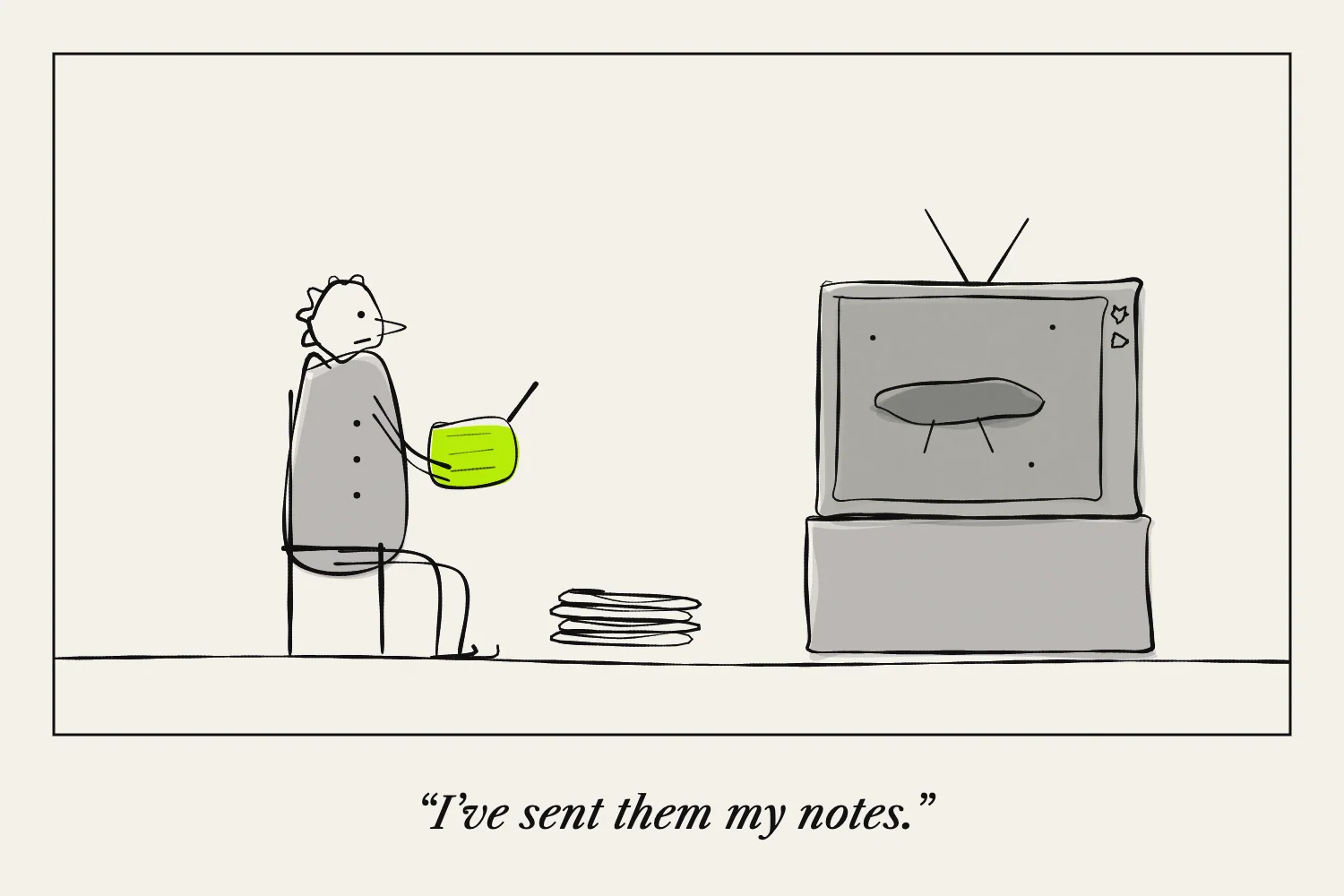
Watching a television episode is usually a one-way exchange. The programme arrives; the viewer receives it.
A fanzine changes that relationship. Viewers can write their own stories, discuss characters and share interpretations with other viewers. Early Star Trek publishing offers a particularly clear example.
A publication made by viewers
Spockanalia first appeared in September 1967. Devra Langsam and Sherna Comerford edited it, and it ran for five issues.
According to the official Star Trek history of the zine, its pages brought together fan-written stories, poems, art and commentary. Some contributors, including Jean Lorrah and Allan Asherman, later worked in licensed Star Trek publishing.
“Licensed” means that a publication is officially authorised to use the franchise. A fan work and a licensed work can involve the same writer without having the same status.
The show's makers became part of the exchange
Spockanalia also printed correspondence from people involved in the television series, including creator Gene Roddenberry and writer D.C. Fontana.
Roddenberry passed the publication to members of his staff. Fontana answered questions about characters. Actors sometimes wrote as the characters they played.
These exchanges matter because they show that fan publishing could do more than react at a distance. In this case, it became a meeting place for viewers' ideas and responses from the production.
There was more than one kind of Star Trek zine
It would be misleading to treat Spockanalia as the template for everything that followed.
The Texas A&M Media Fanzine Collection catalogue records many different Star Trek publications, including story collections, works devoted to particular relationships and material issued in later printings.
That variety matters. “Star Trek zine” describes a shared source of interest, not one editorial position. One publication could concentrate on adventure, another on a character's inner life, and another on how two characters might relate to each other.
What print made visible
A printed collection places different contributions beside one another. An illustration can respond to a story; an editorial can explain why the issue exists; readers can encounter work they did not arrive specifically looking for.
That arrangement gives the editor a role in shaping the experience, as well as giving contributors space for their work.
You can explore surviving issues through FANAC's Spockanalia archive. Read the introductory material and contributor credits alongside the fiction. They help show the people and decisions behind the publication.
Read next: Before AO3: The World of Kirk/Spock Zines.